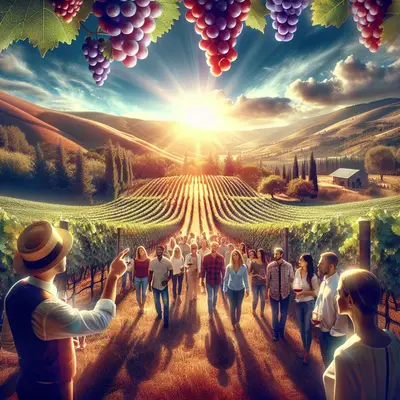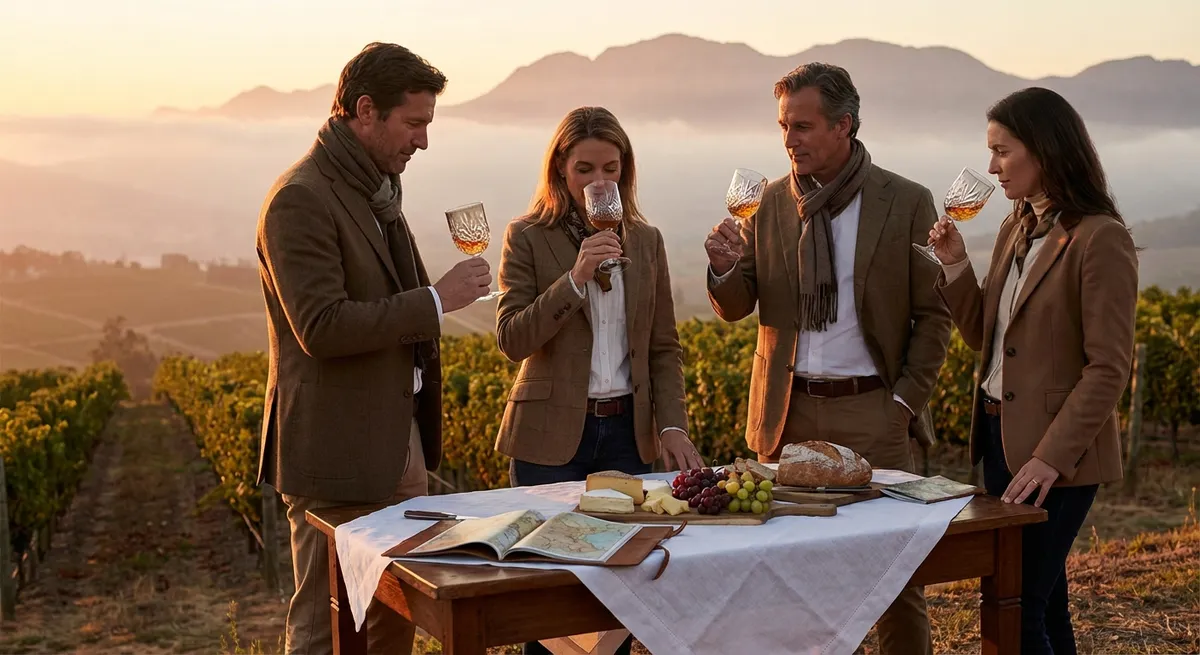
There is a quiet alchemy that happens when travel and wine are thoughtfully entwined. Not simply in the tasting room, nor solely among the vines, but in the way a landscape, a cellar, a local table, and a particular bottle converse with one another. At Wine Tour Adventures, we believe the most memorable wine journeys are composed like a symphony: each stop, each pour, and each conversation a carefully tuned note in a larger, lingering melody. This is an invitation to travel differently—lingering longer, tasting deeper, and allowing every region’s character to reveal itself with deliberate grace.
Designing a Journey Around Wine, Not Just Wineries
True wine touring begins before you ever step into a vineyard. It lies in curating an itinerary that understands wine as both a product of place and a reflection of culture. Rather than “checking off” famous estates, the refined traveler weaves together terroir, architecture, cuisine, and seasonality into a coherent narrative. This might mean timing your visit to Burgundy when cellar temperatures encourage barrel tasting at their most expressive, or mapping a route through South Africa’s Cape Winelands that pairs coastal Sauvignon Blancs with Atlantic breezes and inland reds with mountain light.
A sophisticated itinerary prioritizes pacing over quantity. Three visits in a day—each purposefully chosen—will always be more revealing than a hurried string of tastings. Organizing stays at vineyard lodges or historic townhouses near key appellations allows evenings to become extensions of the day’s discoveries, with local restaurants revisiting grapes and producers encountered among the vines. The result is not a series of disconnected appointments, but a fluid storyline in which each glass deepens your understanding of the region.
The Five Exclusive Insights Seasoned Wine Travelers Rely On
Discerning wine enthusiasts tend to share a handful of quiet practices that transform their tours from pleasant to extraordinary. These are less about privilege and more about perception—about knowing what to ask, where to stand, and how to listen.
1. Reading the Landscape Before Reading the Label
Before reaching for a glass, experienced travelers often step outside and study the horizon. They note slope and exposure, soil color, wind patterns, and proximity to water. In Piedmont, they observe how Nebbiolo faces the morning sun; in New Zealand, they trace the cool river valleys that cradle Pinot Noir. This visual reconnaissance gives context to every aroma and texture later encountered in the glass.
They may ask the host to point out specific parcels: older vines, higher elevation blocks, or plots on distinct soil types. Standing at the edge of a vineyard row and then tasting wine from that precise section turns geography into memory. It is an intimacy with place that cannot be replicated in a tasting room alone, and it subtly sharpens your sensory recall long after you leave.
2. Requesting Comparative Tastings That Reveal the Winemaker’s Hand
Those who travel for wine understand that technique is as fascinating as terroir. Instead of sampling only a producer’s “greatest hits,” they ask for tastings that show contrasts: the same grape in stainless steel versus oak, whole-cluster versus destemmed fermentations, or two vintages from the same parcel. This transforms a pleasant visit into a private masterclass on style and decision-making.
Even at renowned estates, comparative flights are often possible if requested with courtesy and flexibility. Tasting a vertical of the same cuvée across several years, for example, reveals both the personality of each vintage and the consistency of the winemaker’s philosophy. Over time, these side-by-side experiences cultivate a more nuanced palate and a deeper appreciation of craftsmanship beyond brand reputation.
3. Timing Visits Around the Quiet Corners of the Year
While harvest season carries undeniable drama, seasoned travelers often seek out the quieter intervals of the wine calendar. Visiting in late winter or early spring, when cellars are calm and the previous vintage is just beginning to show its character, can lead to more unhurried conversations with winemakers and more space in which to taste thoughtfully.
In cooler months, barrel rooms reveal subtler layers of aroma unmasked by heat, and vineyard walks become meditative rather than performative. Shoulder seasons also tend to mean fewer crowds in iconic regions—think early March in Bordeaux or late October in the Willamette Valley—allowing you to savor both the wines and the landscapes without distraction. The reward is greater access, richer dialogue, and an atmosphere that feels less like tourism and more like temporary belonging.
4. Using Local Tables as a Lens on Regional Identity
For the devoted wine traveler, dinner is never an afterthought; it is the continuation of the day’s tasting narrative. Rather than seeking only celebrated restaurants, they intentionally divide their meals between elevated dining rooms and unassuming local favorites. Both are crucial to understanding how wines live alongside food in their place of origin.
In Rioja, this might mean pairing reserva reds with slow-cooked lamb in a village asador one evening, then experiencing the same grape in a more contemporary expression with refined tasting menus the next. In coastal Portugal, Vinho Verde becomes not simply “refreshing” but an essential counterpoint to briny shellfish. Observing which wines locals order for themselves, and how they talk about them, offers insights that no technical tasting note can match. The table becomes your translator, revealing regional preferences, traditions, and emerging trends.
5. Curating a Personal Cellar That Tells the Story of Your Travels
Returning home with bottles is an obvious pleasure, but seasoned travelers approach it as a form of storytelling. They do not simply collect the most prestigious labels; they assemble a narrative. A case might contain a single grand cru alongside a modest village wine poured at a family lunch, a coastal white from a breezy terrace, and a textured rosé discovered in a tiny hilltop estate that never exports.
Each bottle is chosen with a future moment in mind: a dinner years ahead where that Syrah from the Northern Rhône will transport everyone back to a misty morning among granite slopes, or a modest field blend opened midweek to recall an afternoon with a winemaker who spoke more about biodiversity than ratings. Proper cellaring—respectful temperatures, humidity, and patience—honors these memories. Your collection becomes not a trophy cabinet, but a living archive of journeys, ready to be uncorked when the right company and conversation present themselves.
Elevating Every Region Through Intention and Attention
There is no single “correct” way to tour wine regions, yet the finest experiences share a common thread: intention. Whether you are exploring the limestone-laced villages of Champagne, the volcanic terraces of Sicily, or the cool river valleys of Oregon, the most rewarding approach is slow, observant, and curious. Ask why vineyards are planted where they are, why a region favors certain grapes, and how climate shifts are quietly reshaping both tradition and technique.
By seeking fewer but more meaningful encounters—lingering in barrel halls, walking among older vines, speaking with growers at length—you transform travel into a dialogue rather than a series of transactions. Combined with the five insights above, this perspective turns each journey into a thoughtfully composed chapter in your personal wine atlas. The world of wine becomes not only something you sip, but something you inhabit: vineyard by vineyard, glass by glass, story by story.
Conclusion
Destination wine touring, at its most refined, is less about chasing prestige and more about cultivating presence. It is the art of aligning what is in your glass with the air you’re breathing, the landscape you’re admiring, and the people whose lives are intertwined with the vines. When you design your journeys with intentional pacing, comparative tastings, seasonal awareness, culinary curiosity, and a storyteller’s eye for your cellar, every trip unfolds as a quietly luxurious exploration of place and time. At Wine Tour Adventures, we see travel not as an escape, but as an elevation—of taste, of understanding, and of the moments that linger long after the last bottle has been poured.
Sources
- Wine Tourism – OIV (International Organisation of Vine and Wine) – Overview of global wine tourism trends and definitions from an intergovernmental wine body
- “How Terroir Shapes Wine” – UC Davis Department of Viticulture and Enology – Academic perspective on terroir, climate, and landscape influences in wine
- Wine Routes and Regional Gastronomy – European Commission – Insight into the relationship between wine, regional identity, and food traditions in Europe
- Climate Change and Wine Regions – NASA Earth Observatory – Research-based discussion on how shifting climate patterns are affecting global wine regions
- Cellaring Wine at Home – Wine Spectator – Practical guidelines on storing and aging wine, relevant to building a travel-inspired personal cellar
Key Takeaway
The most important thing to remember from this article is that this information can change how you think about Wine Tours.