There is a tier of wine hospitality that never appears on public tour calendars or printed tasting menus. It exists in the quiet pause after a gate swings open, in the way a cellar master lowers his voice when explaining a single experimental barrel, and in the precision with which a glass is poured so that the first aromatic impression is flawless. Premium wineries are not simply defined by price or scarcity; they are defined by intention. For the traveler who seeks more than a beautiful view and a flight of wines, these estates offer a rare convergence of craftsmanship, culture, and choreography—an experience that lingers long after the last drop.
The Architecture of Privacy: How Elite Estates Shape Your Arrival
Premium wineries understand that the experience begins long before the first sip. The most exclusive estates use architecture and landscape design to create a gentle sense of remove from the everyday world. Entry roads may curve deliberately, revealing the vineyard in carefully staged glimpses rather than a single, grand vista. This measured approach to arrival is not about grandeur; it is about transition—allowing the visitor’s attention to slow, narrow, and finally settle on the place at hand.
Within the property, private tasting salons might be hidden behind unmarked doors, accessible only with a host’s discreet gesture. Many of these spaces are deliberately intimate: a single long table of warm wood, stone walls with restrained artwork, acoustics tuned to soften conversation rather than amplify it. Temperature, light, and even scent are carefully controlled to frame the wines rather than compete with them. In this world, luxury is quiet, architectural, and deeply functional: every design choice serves the wine, and by extension, the guest’s capacity to appreciate it.
Precision Beyond the Label: The Unseen Decisions in Fine Viticulture
To understand truly premium wineries, one has to look beyond the elegant label and into the growing decisions that never make it onto the back of the bottle. At the highest level, vineyards are not simply “managed”; they are observed with near-clinical precision. Detailed soil mapping, micro-block segmentation, and meticulous canopy management are part of a constant dialogue between nature and winemaker. The goal is not uniformity but nuance—allowing each parcel to express its character while remaining true to the estate’s broader stylistic vision.
These properties often embrace low-intervention or sustainable viticulture, not as a marketing angle but as a qualitative necessity. Healthier vines, balanced yields, and careful water use tend to produce fruit with greater concentration and complexity. It is common to see clusters selectively dropped to the ground mid-season, a sacrifice of quantity to elevate the remaining grapes. In the cellar, premium producers may forgo aggressive manipulation in favor of patience: extended lees aging, careful selection of oak from specific forests, and repeated tasting of individual barrels before any blending begins. For the attentive enthusiast, asking precise questions about vineyard blocks, picking decisions, and cellar protocols can unlock a fascinating layer of narrative behind each glass.
Time as a Luxury: Experiencing Wines at Their Prime, Not Their Release
In most tasting rooms, guests encounter wines at or near their release, often youthful and structured, presented more as promise than as fulfillment. Premium wineries, by contrast, treat time itself as a form of hospitality. Library tastings—curated flights of mature vintages drawn from the estate’s archives—reveal not only how the wines evolve, but how consistently the estate has pursued its vision over decades. This is where a winery’s true identity emerges, independent of trends.
A private tasting might begin with a current release, move backward through select vintages, and culminate in a bottle old enough to show the tertiary notes—dried flowers, leather, truffle, forest floor—that collectors revere. On occasion, the estate will offer a rare comparative moment: the same vintage aged in different barrel regimes, or a wine tasted before and after extended bottle aging. For travelers, these experiences recalibrate expectations; you are no longer evaluating a single bottle, but an arc of time. If you value such encounters, communicate your interest in aged wines when arranging your visit—many estates reserve their most captivating bottles for guests who appreciate the patience behind them.
The Art of Calibration: Tailored Tastings for an Individual Palate
At the most refined properties, tastings are not standardized scripts but bespoke compositions. Premium wineries invest heavily in training hosts who are not only knowledgeable but perceptive—capable of reading the comfort level, curiosity, and prior experience of each guest. A discreet conversation at the outset often guides the entire encounter: whether to emphasize structure or aromatics, showcase terroir differences, or highlight experimental cuvées not listed on any public menu.
Glassware becomes an instrument of precision rather than ornament. You might notice varietal-specific stems, subtle changes in pour volume tailored to the wine’s intensity, or a deliberate progression in serving temperature. For certain wines, the host may choose to decant well before your arrival, timing oxygen exposure to coincide with the heart of the visit. The entire experience is calibrated to your sensory bandwidth: enough information to deepen appreciation, never so much that technical detail overwhelms pleasure. This is where premium hospitality distinguishes itself—not in the number of wines poured, but in the clarity and coherence of the narrative that ties them together.
Beyond the Bottle: Culture, Craft, and the Human Hand
The most memorable premium wineries understand that wine exists within a cultural ecosystem. Rather than relying on opulence alone, they weave in elements of regional craft, art, and gastronomy. You may find a collection of local artisans’ ceramics in the tasting room, commissioned specifically to reflect the textures of the surrounding landscape. Culinary pairings might favor seasonal, estate-grown produce or collaborations with nearby chefs who share the same reverence for provenance and detail.
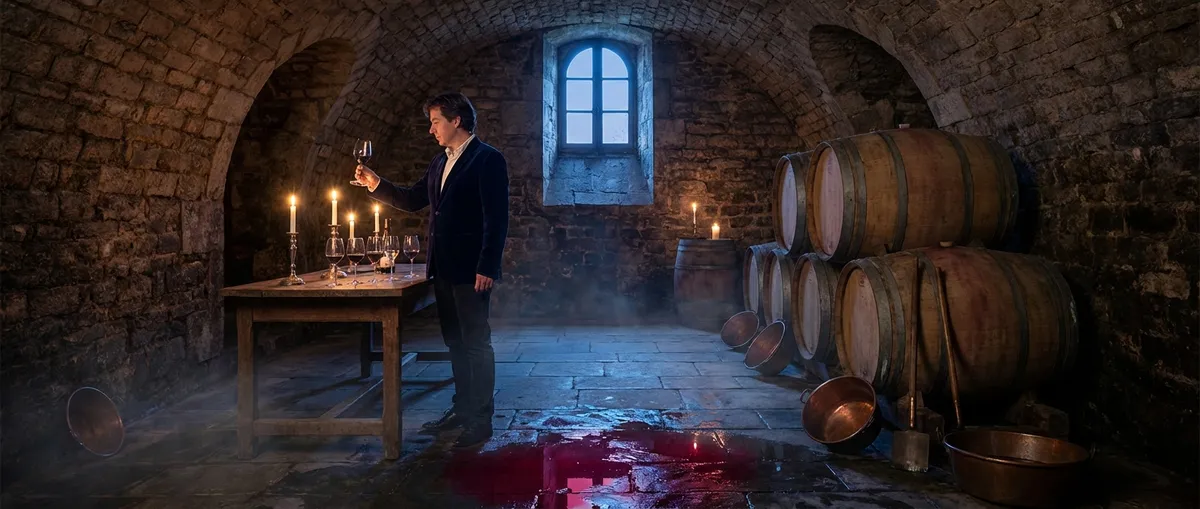
At this level, you are often invited into the human story of the estate: a brief meeting with the winemaker in the barrel hall, a walk through a heritage block of vines older than any member of the current team, or a glimpse into the archives where hand-written harvest notes and aging charts are meticulously preserved. Premium wineries are rarely accidental; they are built over generations of decisions by people whose names may never appear on the label. For the thoughtful traveler, taking the time to ask about these people and their craft often yields the most enduring impression of all—the knowledge that great wine is, ultimately, an expression of human care as much as of place.
Conclusion
To step into the world of premium wineries is to enter a realm where nothing is left to chance, yet nothing feels forced. Architecture, viticulture, timing, service, and culture are composed into a seamless experience that elevates each sip from simple enjoyment to considered reflection. For the wine enthusiast, the true privilege is not access alone, but comprehension: recognizing the layers of intention that cradle every glass. When you next visit an estate of this caliber, allow yourself the luxury of slowing down. Ask precise questions, notice the quiet details, and let the experience unfold at the pace these wines were crafted—patiently, meticulously, and with an eye toward the lasting memory rather than the fleeting moment.
Sources
- Wine Institute – California Wine Regions - Overview of California’s wine regions, climate, and quality factors that underpin many premium estates
- Decanter – What Makes a Fine Wine? - Insight into the characteristics and production decisions that define high-end wines
- Napa Valley Vintners – Library Wines - Explanation of library programs and the role of time and cellaring in premium wine experiences
- UC Davis Department of Viticulture and Enology - Research-based information on viticulture and winemaking practices common to top-tier wineries
- OIV (International Organisation of Vine and Wine) - Technical references on viticulture, oenology, and global standards that influence premium production practices
Key Takeaway
The most important thing to remember from this article is that this information can change how you think about Premium Wineries.