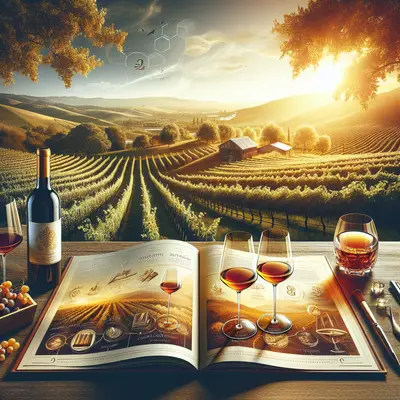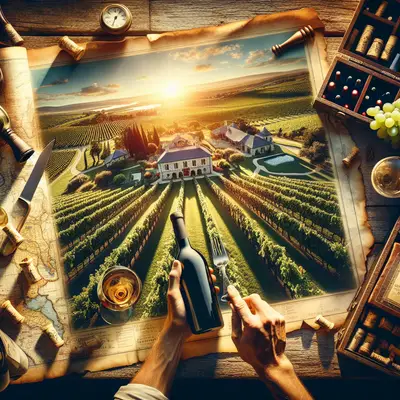
In the upper echelons of wine, “premium” is not a label on a bottle; it is a philosophy that informs every decision, from how a vine is pruned to how a guest is welcomed. The most rarefied estates go beyond polished tasting rooms and impressive price tags, crafting experiences that feel quietly orchestrated rather than staged. For travelers who seek depth over spectacle, understanding what genuinely distinguishes these wineries transforms a simple visit into a nuanced exploration of place, craft, and culture.
The Architecture of Restraint: Spaces That Frame, Not Flaunt
At authentically premium wineries, architecture serves the wine rather than overshadowing it. You may notice a deliberate restraint: sightlines that guide your gaze toward the vineyard rather than a grand façade, materials that echo the surrounding landscape, and interiors that dampen noise to keep conversation intimate and calm. Stone, wood, rammed earth, and naturally patinated metals are chosen not only for aesthetics but for how they regulate temperature and humidity—subtle allies in preserving both wine and atmosphere.
These estates often avoid ostentatious display, favoring seamless transitions between outdoors and in: shaded loggias that catch late-afternoon breezes, courtyards that cradle pockets of reflected light, and tasting rooms where the horizon becomes part of the design. Lighting is meticulously considered, with indirect warmth that flatters both glass and guest, never glaring or clinical. When architecture is this quietly intentional, you feel it more than you see it; the building becomes a vessel for contemplation, amplifying the character of the wines and the landscape rather than competing for your attention.
Insight 1: Vineyard Cadence Is the True Luxury
For the most discerning estates, luxury begins long before grapes meet barrel—it starts with time. Premium wineries think in decades, not vintages. Vines are planted with an eye toward how roots will delve into subsoils twenty or fifty years from now, and harvest dates are chosen by feel, flavor, and texture, not simply by lab readings. You might hear a winemaker speak of “physiological ripeness” rather than sugar levels alone, describing how skins, seeds, and pulp align to create balance and finesse.
Row orientation is selected to catch specific angles of sunlight and air currents, and canopy management is tailored not just to yield, but to aromatic complexity. Some plots are deliberately undercropped to concentrate character, even when that means dramatically fewer bottles. Cover crops are chosen not only to improve soil health, but to modulate vigor, attract beneficial insects, and gently stress the vines in a way that leads to deeper expression. For the visiting enthusiast, asking about the estate’s approach to vine age, replanting schedules, and cover-crop philosophy can reveal just how deeply time and patience are woven into every glass.
Insight 2: The Quiet Discipline of Precision in the Cellar
Step into the cellars of a truly premium winery and you enter a realm of measured restraint. Temperature and humidity are managed with near-obsessive care, not for show, but to ensure that evolution in the barrel happens with composure rather than haste. Oak is treated as a dialect, not a megaphone: forests and coopers are chosen to complement specific parcels, and toast levels are fine-tuned so that structure and fragrance support the fruit rather than masking it.
Fermentations may be parcel-specific, with dozens of small lots vinified separately, each reflecting a micro-variation in soil or exposure. Native yeasts are often encouraged when they enhance complexity, but never at the expense of clarity and precision; the decision is pragmatic, not dogmatic. Extended lees ageing, delicate racking by gravity rather than pump, and a minimalist approach to fining and filtration all speak to a philosophy of preserving detail. During a visit, pay attention to how the winery explains its use of oak, vessel types (from concrete eggs to large-format foudres), and élevage choices—these are the fingerprints of their style.
Insight 3: Hospitality as a Curated Dialogue, Not a Performance
The hallmark of premium winery hospitality is its unhurried, conversational nature. Instead of a scripted speech about “our flagship wine,” you are more likely to encounter a host who asks about your tastes, your travel, and your previous experiences before deciding what to pour. Tastings may be seated, often in thoughtfully arranged spaces that favor small groups over crowds, and the pacing is intentional—enough time between wines to reset your senses and savor nuance.
Glassware is meticulously matched to style, not merely brand; sparkling wines might be served in tulip-shaped stems for aromatic capture, while structured reds arrive in generously bowled glasses that allow them to open. Flights are calibrated to arc from delicate to powerful or from youthful to mature, and often include limited cuvées not available in broader distribution. Subtle details—freshly polished stems, quietly replenished water carafes, neutral palate cleansers—convey attentiveness without fuss. If your host remembers a preference you casually mentioned at the beginning of the tasting and adjusts the final pour accordingly, you are in the presence of true hospitality craft.
Insight 4: Access to Library Vintages and the Story of Time
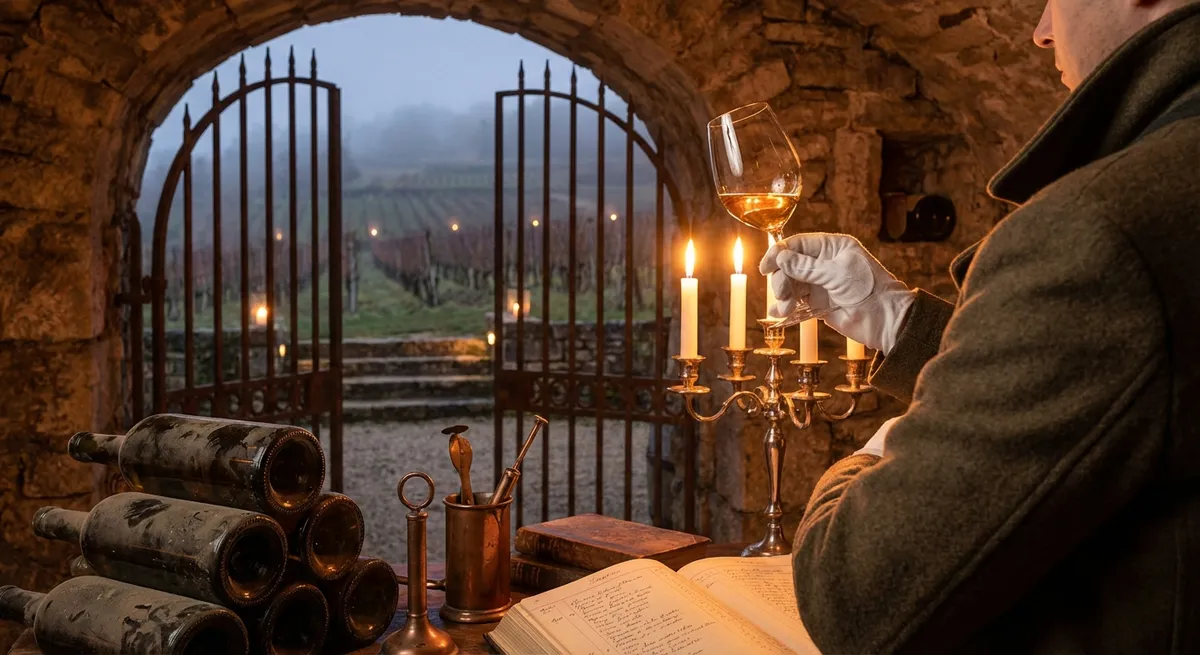
One of the rare privileges of visiting an elevated estate is access to their library wines—bottles from past vintages that have been carefully cellared to showcase how the wines evolve. This is where the conversation shifts from “Is this good?” to “How does this age, and why?” Tasting a current release alongside a decade-old sibling reveals not just the trajectory of the wine, but of the winery’s philosophy itself.
Premium wineries maintain these archives with a curator’s mindset. They track how vintages respond to different growing seasons, how tweaks in vinification echo through time, and how bottle formats influence ageing. Vertical tastings, when offered, allow you to trace climatic variations, vineyard maturation, and stylistic refinement across years. Asking thoughtful questions—how the winemaker adapted in a particularly hot or cool year, or what they learned from a challenging season—often yields some of the most illuminating and candid insights of your visit.
Insight 5: Culinary Synergy and the Architecture of Pairing
At many top-tier wineries, cuisine is not an afterthought but an integrated expression of terroir. Estate chefs or partner restaurants work in close dialogue with the winemaking team, shaping menus around texture, acidity, and aromatic profiles rather than simply matching colors of wine and protein. Ingredients often come from on-site gardens or trusted local producers, echoing the same respect for provenance that guides the vineyard.
Courses are composed with an almost architectural sense of proportion: salt to highlight minerality, bitter notes to frame fruit, umami to cradle tannin. A seemingly simple dish—a seasonal vegetable tart, a perfectly ripe local cheese, a hand-shaped pasta—may have been tested against multiple vintages to find the precise intersection where both wine and food become more than the sum of their parts. As a guest, notice how the staff describes pairings: do they speak in terms of structure (acidity, weight, tannin) and timing (which sip comes first), or only in broad flavor notes? The more granular the language, the more likely you are in the hands of a team that truly honors the interplay.
Designing Your Own Premium Winery Journey
For the traveler intent on a more refined experience, the most rewarding itineraries are fewer, deeper, and thoughtfully spaced. Prioritize estates that require reservations and limit capacity; this often signals a dedication to quality of interaction over volume of visitors. Look for properties that offer vineyard walks, cellar tours led by production staff, or focused thematic tastings—single-vineyard comparisons, vintage verticals, or explorations of specific grape varieties.
Communicate your interests in advance. If you are fascinated by organic or biodynamic viticulture, low-intervention winemaking, or specific regions, mention this when booking; many estates will tailor your visit accordingly if they can. Allow generous travel time between appointments and build in moments to simply sit, observe the landscape, and allow what you’ve tasted to settle in your memory. In the world of premium wineries, the true indulgence is not excess, but depth—of time, of attention, and of connection to place.
Conclusion
The finest wineries operate on a wavelength where detail, discretion, and devotion to craft quietly converge. Their greatness is felt as much in the stillness of a perfectly temperate cellar, the thoughtful arc of a tasting flight, or the hush of a vineyard at dusk as in any score or accolade. By learning to recognize the subtleties—how time is honored in the vineyard, how precision is practiced in the cellar, how hospitality evolves into dialogue, how age reveals character, and how cuisine illuminates structure—you transform each visit into something far more resonant than a simple outing. In these spaces of veiled prestige, the truest luxury is the chance to experience wine not as a commodity, but as an art form unfolding in real time before you.
Sources
- [Wine Institute: Sustainable Practices in California Vineyards](https://wineinstitute.org/our-impact/sustainable-winegrowing) - Overview of sustainability, vineyard management, and quality-focused practices that underpin many premium wineries
- [UC Davis Department of Viticulture and Enology](https://wineserver.ucdavis.edu/industry-info/enology) - Research-based insights into winemaking techniques, fermentation management, and cellar practices used by high-end producers
- [Bordeaux Wine Council (CIVB): Understanding Terroir](https://www.bordeaux.com/us/Our-Terroir) - Detailed explanation of how soil, climate, and topography shape premium wine styles and regional character
- [Napa Valley Vintners: Aging and Cellaring Wine](https://napavintners.com/wine/aging.asp) - Guidance on ageing, library wines, and how time influences wine quality and expression
- [James Beard Foundation: Wine and Food Pairing Principles](https://www.jamesbeard.org/blog/the-basic-principles-of-pairing-wine-with-food) - Foundational concepts in wine-and-food pairing that mirror the culinary programs at many top-tier estates
Key Takeaway
The most important thing to remember from this article is that this information can change how you think about Premium Wineries.