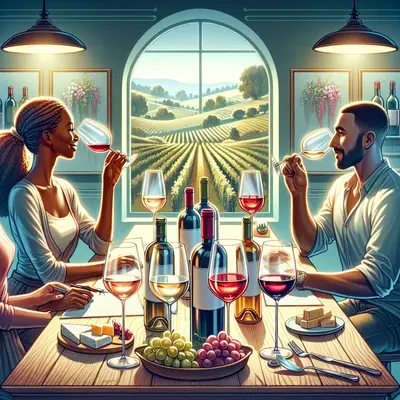
There is a moment, just after the glass is poured, when the room seems to quiet itself. The swirl slows, the color deepens, and the wine begins to tell a story available only to those prepared to listen closely. For many travelers, wine tasting is a pleasant diversion; for the genuinely devoted, it becomes a cultivated art—one that rewards patience, precision, and a certain velvety restraint. This is the realm where nuance matters, where small details elevate a tasting from enjoyable to unforgettable.
Below are five exclusive, quietly transformative insights designed for enthusiasts who wish to refine their tasting practice and heighten every visit to the vineyard or cellar.
The Architecture of Aroma: Building a Scent Memory Palace
Before a single sip, the nose does most of the crucial work. Yet truly advanced tasters do more than simply “smell” wine; they construct a mental architecture for aroma—an organized, almost architectural memory system.
Begin by separating your perception into structural layers rather than searching for a list of familiar fruits. First, identify families of aromas: orchard (apple, pear), stone fruit (peach, apricot), red berry, black fruit, floral, herbal, spice, earth, and oak-derived notes. Approaching the glass in families instead of individual descriptors removes the pressure to be poetic and allows your brain to classify quickly and accurately.
Once you’ve identified a family, refine it downwards. Is that citrus character more lemon zest than grapefruit? Is the floral tone closer to jasmine or violet? Over time, this layered approach becomes a “scent memory palace,” where each new wine is not just an isolated experience but another room added to an elegant, ever-expanding structure. The result is a quieter, more confident nose—one that can revisit aromas months or years later with surprising clarity.
Texture as Language: Reading the Wine Beyond Flavor
Most casual tasting notes begin and end with flavor, yet some of the most telling qualities of a fine wine are found in its texture. Texture is the language of balance, age-worthiness, and terroir expression, and it reveals itself most clearly once the initial flavors fade.
As the wine moves across your palate, attend to its physical presence. Is it lithe and filament-fine, or broad and enveloping? Does the acidity feel like a precise vertical line, lifting the flavors, or more like a gentle arc? Tannins, in particular, deserve careful attention: consider not only their intensity but their grain—do they feel powdery, chalky, velvet-like, or firm and architectural along the gums?
Advanced tasters often describe texture with metaphors drawn from fabric and architecture—silk, linen, brocade, limestone spine, cathedral-like structure—because fine wine can possess an almost tactile architecture. When you train yourself to read texture separately from flavor, you begin to sense how winemaking decisions, grape variety, and origin converge in the glass. The wine ceases to be a mere beverage and becomes a crafted object of structure and tension.
Silence as a Tasting Tool: The Power of Deliberate Stillness
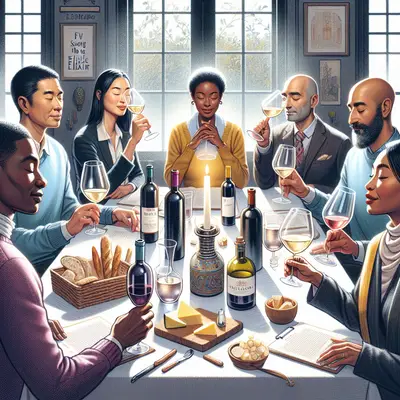
In many tasting rooms, conversation fills the air—opinions forming mid-sip, notes compared in real time. While conviviality is part of wine’s charm, there is a quiet, almost monastic practice that separates observational tasting from truly contemplative tasting: purposeful silence.
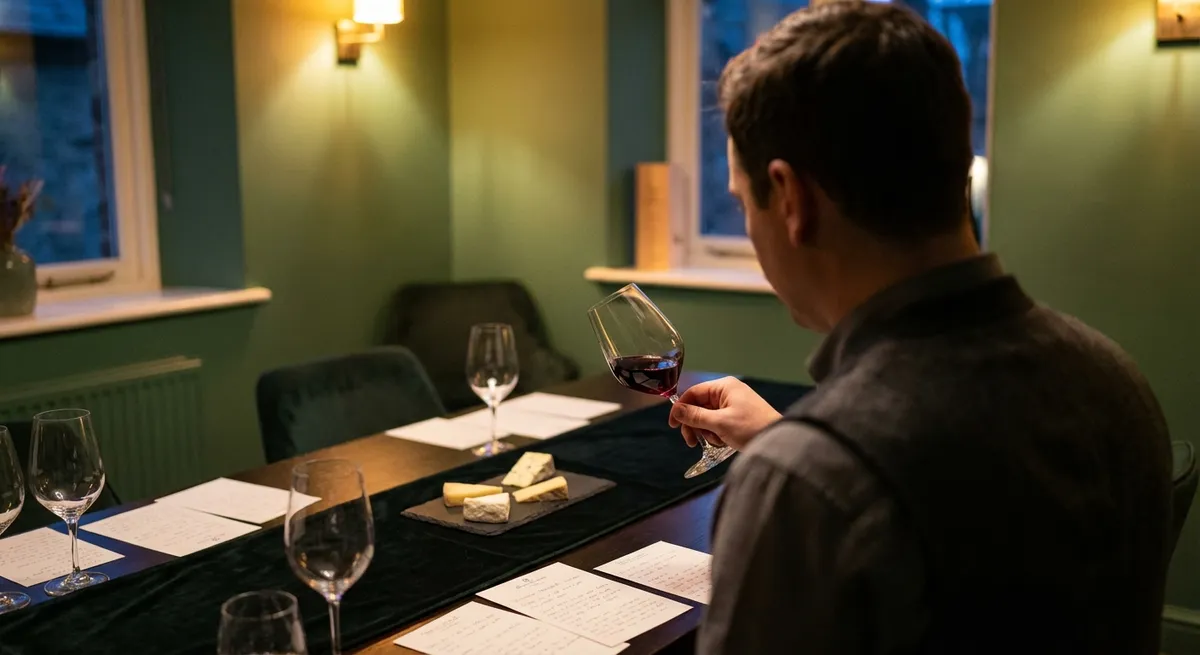
Try this approach on your next visit to a serious winery or during a focused flight at home. For the first 30–60 seconds after each sip, maintain complete silence—no commentary, no note-taking, no gesturing, no searching for descriptors. Simply observe. Pay particular attention to the wine’s time sequence: how it enters the palate, how it expands, where it concentrates, and how it exits.
What emerges in this stillness is often more revealing than any immediate description. You may notice a delayed flourish of spice, a late-rise minerality, or a prolonged, whispering finish that speaks of pedigree. Only after this silent interval should you begin to articulate what you’ve experienced. This discipline encourages a deeper, more patient engagement with the wine and often yields more honest, less performative impressions.
Vintage and Place in Motion: Tasting Horizontally and Vertically
Enthusiasts often hear about “horizontal” and “vertical” tastings, but few use them as deliberate tools for sharpening perception. Understanding the distinction—and the insights each can offer—turns a simple flight into a finely tuned lens on terroir and time.
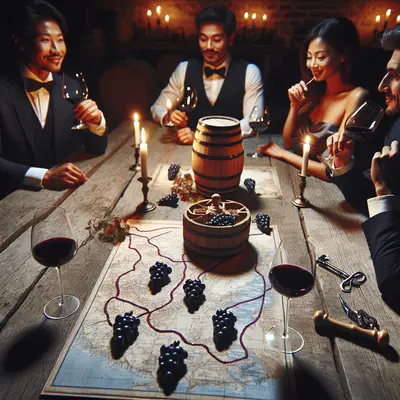
A horizontal tasting involves different producers from the same region and vintage. For instance, tasting several 2020 Pinot Noirs from the same appellation allows you to feel how individual winemaking choices and micro-sites shape expression under identical climatic conditions. Texture, oak signature, and aromatic clarity often become sharper points of comparison.
A vertical tasting focuses on the same wine from different vintages. This is where time’s handwriting becomes unmistakable. Watching a wine evolve across, say, a decade reveals patterns: how youthful acidity softens, how primary fruit gives way to tertiary notes of leather, truffle, or dried flowers; how structure either holds the wine elegantly together or begins to fray. Conducting even a modest vertical—three to four vintages of the same cuvée—offers a privileged glimpse into a wine’s arc of life and the producer’s consistency over time.
When you travel, seek out estates that offer curated horizontal or vertical experiences. These are not simply tastings; they are masterclasses in terroir, climate, and craftsmanship, condensed into a single table.
Curated Glassware and Temperature: The Quiet Engineering of Pleasure
To the refined taster, glassware and serving temperature are not accessories but instruments; small, quiet adjustments here can transform the way a wine expresses itself. While the casual drinker may dismiss these details as fussy, they are, in fact, the discreet engineering behind a sublime experience.
Invest in a small selection of high-quality, thin-lipped glasses with different bowl shapes rather than a large collection of generic stems. Use a more tulip-shaped glass for refined whites and aromatic reds, and a slightly larger bowl for complex, structured reds. The difference in aromatic focus, texture perception, and overall harmony can be profound, especially with premium wines.
Temperature, likewise, deserves precision rather than approximation. Light, aromatic whites often shine around 8–10°C (46–50°F), serious whites at 10–12°C (50–54°F), and refined reds at 14–18°C (57–64°F), with the upper end reserved for fuller-bodied styles. Serving great red wine slightly cooler than typical “room temperature” tightens the structure, preserves freshness, and prevents the alcohol from overshadowing nuance.
On a dedicated wine journey, ask the winery or host not only what you are tasting, but how they chose to serve it: which glass, which temperature, and why. Their answers often reveal an underlying philosophy that is every bit as instructive as the wine itself.
Conclusion
Wine tasting, at its most elevated, is less about chasing superlatives and more about refining attention. When you cultivate a structured memory for aromas, listen to texture as a language, embrace intentional silence, explore time through horizontal and vertical tastings, and treat glassware and temperature as instruments rather than afterthoughts, each glass becomes an intimate, three-dimensional experience.
For the traveler in search of deeper wine moments, these practices transform visits from pleasant diversions into quietly luxurious rituals—experiences that linger, not just on the palate, but in memory. In this refined space, every pour is an invitation: to slow down, to discern, and to savor the understated grandeur in the glass.
Sources
- University of California, Davis – Wine Flavor 101 - Overview of how aroma, taste, and mouthfeel contribute to wine flavor, from a leading enology program
- Wine & Spirit Education Trust (WSET) – Systematic Approach to Tasting Wine - Professional tasting framework that underpins many advanced wine evaluation techniques
- Harvard T.H. Chan School of Public Health – Alcohol: Balancing Risks and Benefits - Evidence-based discussion of alcohol consumption, helpful for responsible tasting practices
- Institute of Masters of Wine – Tasting and Professional Assessment - Details on the rigorous tasting methods used by Masters of Wine, illustrating high-level evaluation standards
- Riedel – The Impact of Glass Shape on Wine Taste - Glassware manufacturer’s research and explanation on how glass design influences aroma and palate perception
Key Takeaway
The most important thing to remember from this article is that this information can change how you think about Wine Tasting.