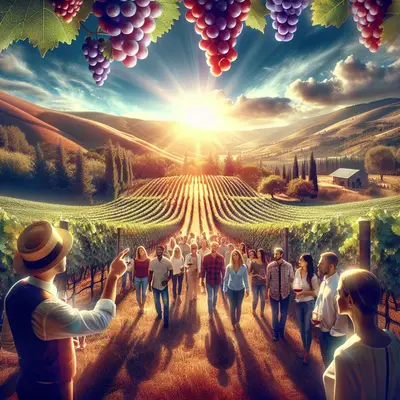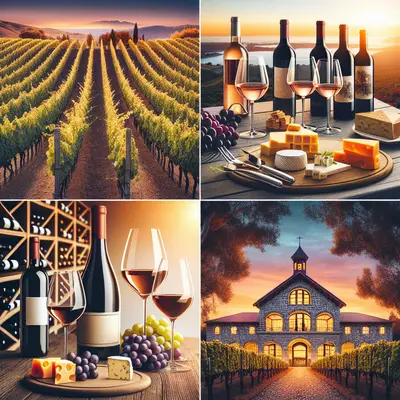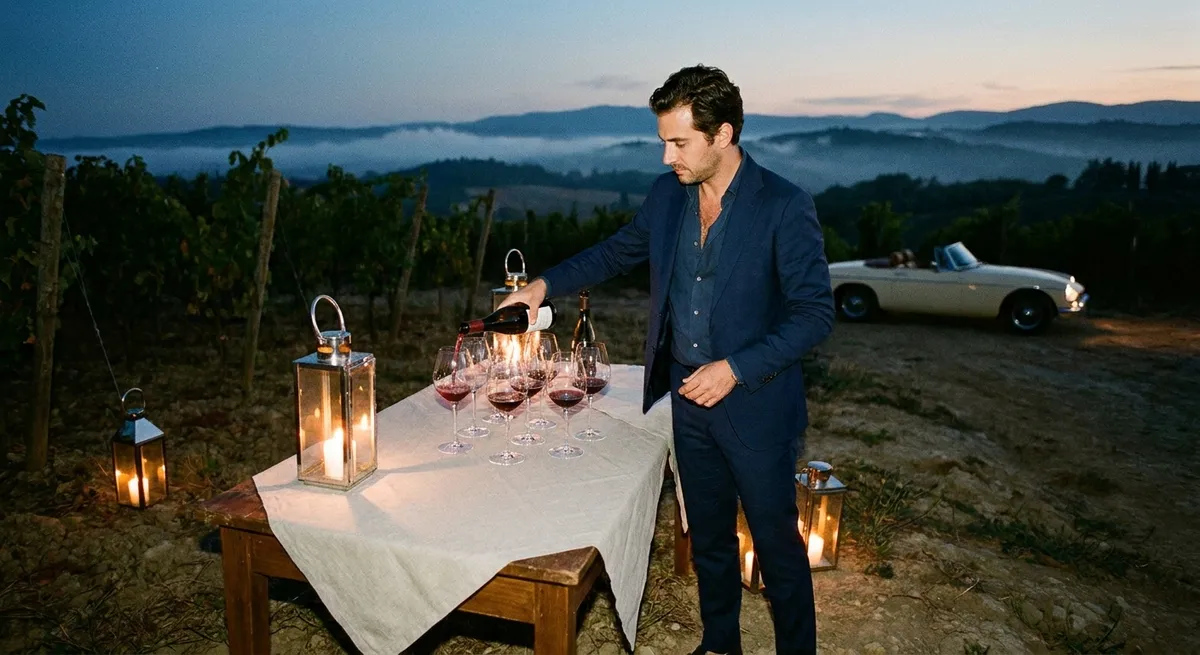
There is a moment, somewhere between the first swirl of the glass and the last lingering note on the palate, when a wine tour stops being a visit and becomes a passage. For discerning travelers, the finest wine journeys are not about checking off appellations, but about entering a more deliberate tempo of life—where time slows, craftsmanship comes into focus, and every detail feels quietly intentional. At Wine Tour Adventures, we think of wine tours as velvet routes: softly drawn paths that reveal a region’s most articulate expressions of place, people, and patience.
Beyond the Cellar Door: Touring as a Dialogue, Not a Spectacle
The most rewarding wine tours feel less like a performance and more like a private conversation. Rather than standing in a crowd listening to a rehearsed script, discerning guests increasingly seek curated encounters where questions are welcomed, preferences are remembered, and the story of the estate unfolds organically.
This begins with intimacy of scale. A small group or fully private visit allows time for genuine exchange—how a winemaker thinks about tannin texture, why a particular parcel is harvested at dawn, or how an unexpected vintage shaped the house style. You are not merely being shown barrels; you are being invited into the decision-making that fills them.
Architecture and setting play their part too. A thoughtfully paced walk from vineyard to cellar and then to a quiet tasting room creates a narrative arc. Pausing among the vines to feel the soil in hand before tasting its interpretation in the glass turns abstract terms like “minerality” or “elegance” into something physically experienced. These layered moments are what transform a tour from informative to unforgettable.
The Art of Timing: When to Visit for True Character, Not Just Sunshine
For wine enthusiasts, the calendar can be as important as the itinerary. While summer’s golden light is photogenic, the most revealing moments in a wine region often occur at less obvious times, when the vineyards are not performing for the camera but simply being themselves.
In many classic regions, late winter and early spring offer an extraordinary kind of clarity. Vines laid bare allow you to observe pruning decisions and training systems, revealing how growers sculpt future quality long before budbreak. In the cellar, wines from the most recent harvest may still be in barrel or tank, and a guided tasting from these developing lots can illuminate the evolution from must to finished wine.
Harvest, though romanticized, is at its best when approached with discretion. An early-morning visit during picking can feel electric: the chill in the air, the quiet concentration of pickers, the first aromas of fermentations beginning to stir. Yet the most thoughtful estates limit visitors during critical periods to avoid disruption. A bespoke tour that harmonizes with a winery’s rhythm—rather than intruding upon it—signals a deeper respect that serious wine lovers appreciate.
Five Exclusive Insights for the Attentive Wine Traveler
For enthusiasts seeking more than surface impressions, the details matter. These five insights, often overlooked on standard tours, can elevate your experience from pleasant to profoundly informative.
Study the Elevation Changes, Not Just the View
Many visitors admire a sweeping vista without realizing how subtle shifts in elevation quietly dictate style. As you walk the vineyards, notice how quickly the slope rises or falls and how the temperature feels on your skin. Higher, breezier parcels may produce wines of greater tension and aromatic lift; lower pockets can give broader, more generous textures. When tasting, ask which cuvées come from which parts of the slope—you’ll begin to map the landscape in flavor.
Observe the Texture of the Soils Underfoot
Soil is often mentioned but seldom truly encountered. On a premium tour, take the time to run the vineyard earth through your fingers: is it fine and powdery, stony and sharp, or clay-like and cool? Then listen as the viticulturist explains drainage, root depth, and water stress. When you later taste a wine described as “linear,” “saline,” or “voluminous,” you can link these sensations back to the physical realities beneath the vines.
Listen for How the Winemaker Speaks About Time
Beyond oak choices or fermentation vessels, the most telling factor is often the estate’s philosophy of time. Do they talk about extended lees aging, deliberate delays before release, or holding back library vintages? A willingness to let wines rest—sometimes against commercial pressures—signals a commitment to harmony over haste. When tasting, note how this patience manifests: finer mousse in sparkling wines, more knit tannins in reds, or increased tertiary complexity in older bottles.
Watch How Wines Are Poured and Served
The choreography of service reveals a winery’s priorities. Temperature precision, choice of glassware, decanting decisions, and even the order in which wines are presented all communicate a curatorial mind-set. Pay attention to small details: a slightly cooler pour for a structured red, a larger bowl for an aromatic white, or a deliberate comparison of two vintages side by side. These choices guide your palate and subtly shape your understanding of the house style.
Trace the Invisible Network: Growers, Neighbors, and Collaborators
Every estate exists within a web of relationships—nurseries that supply clones, neighboring growers who share vintage intelligence, coopers who customize barrels, and consulting oenologists who refine blending decisions. Thoughtful guides will hint at this ecosystem; ask gentle, informed questions and you will glimpse how knowledge circulates through the region. Recognizing these quiet collaborations deepens your appreciation for each bottle as a collective achievement, not just a single label.
Curated Pairings: When the Plate Becomes a Lens for the Glass
The most refined wine tours increasingly move beyond standing tastings to seated experiences where food and wine engage in dialogue. These are not heavy, elaborate meals, but precisely judged pairings designed to accentuate structure, not overwhelm it.
Imagine a flight of single-parcel whites paired with a progression of delicately seasoned dishes: a citrus-accented crudo to emphasize acidity, a barely warmed shellfish preparation to highlight salinity, a subtle cream-based sauce to test the wine’s ability to cut through richness. Each pairing becomes an experiment in balance, showing how the same wine shifts character depending on its culinary counterpart.
In red wine regions, a thoughtful use of texture—silky veal, slow-braised lamb, or even fine-grained charcuterie—can reveal tannic finesse or firmness more articulately than a technical explanation ever could. The key is restraint: flavors that respect the wine’s nuances rather than competing with them. For the guest, this approach turns tasting notes into lived experience, training the palate with quiet precision.
Designing a Journey That Reflects Your Palate, Not a Ranking
Truly premium wine travel is not about chasing the most famous names, but about finding the addresses that resonate with your own sensibilities. A carefully curated itinerary starts with introspection: do you gravitate toward freshness and lift, or depth and concentration? Are you drawn to classicism, or to the edge of experimentation?
From there, a bespoke route might weave together a historic estate known for its consistency, a rising producer pushing boundaries, and a family-run property where tradition is interpreted with modern finesse. Between visits, the most thoughtful journeys include pauses: a contemplative lunch overlooking the vineyards, a stroll through an old village, or a quiet moment in a barrel room where the only sound is the soft, intermittent sigh of fermentation.
Transportation, pacing, and even the sequence of appellations are curated to preserve your senses at their sharpest. You arrive at each appointment neither rushed nor fatigued, with mental space to absorb what you are being shown. The result feels less like a race across a map and more like the unfolding of a carefully composed symphony.
Conclusion
The finest wine tours are not assembled; they are composed. They attend to time of year, time of day, sequence, silence, and conversation with the same care that great winemakers bring to their blends. For wine enthusiasts who value nuance over noise, a bespoke journey through the world’s vineyards becomes a kind of advanced study—of place, of craft, and ultimately of one’s own palate.
On these velvet routes, every element is intentional: the crunch of soil beneath your shoes, the way light falls across a barrel hall, the arc of a tasting that leads from youthful precision to mature complexity. What remains long after the last glass is not only the memory of extraordinary wines, but the feeling of having been quietly, expertly guided into a deeper layer of understanding.
Sources
- [Wine Institute – World Wine Consumption and Production Statistics](https://wineinstitute.org/resources/statistics/) - Provides global context for wine production and consumption, useful for understanding major regions visited on wine tours.
- [UC Davis Department of Viticulture and Enology](https://wineserver.ucdavis.edu/) - Offers authoritative information on grape growing and winemaking, underpinning discussions of vineyard practices and cellar decisions.
- [Decanter – Wine Travel Guides and Regional Features](https://www.decanter.com/wine-travel/) - A respected resource for in-depth coverage of wine regions, producers, and travel experiences that align with premium wine tourism.
- [Wine Spectator – Wine Regions and Wineries](https://www.winespectator.com/articles/category/wine-regions) - Covers leading wine regions and estates worldwide, supporting insights into stylistic differences and travel planning.
- [UNESCO – World Heritage Vineyards, Terraces and Cultural Landscapes](https://whc.unesco.org/en/list/?search=vineyard) - Highlights historically and culturally significant vineyard landscapes, relevant to designing elevated, place-focused wine itineraries.
Key Takeaway
The most important thing to remember from this article is that this information can change how you think about Wine Tours.