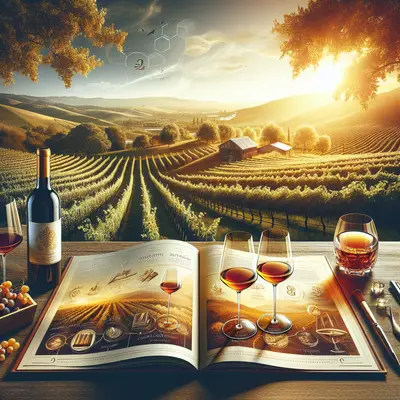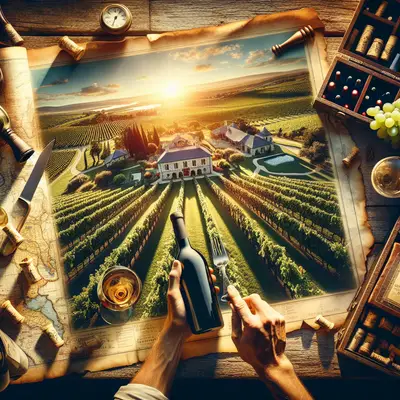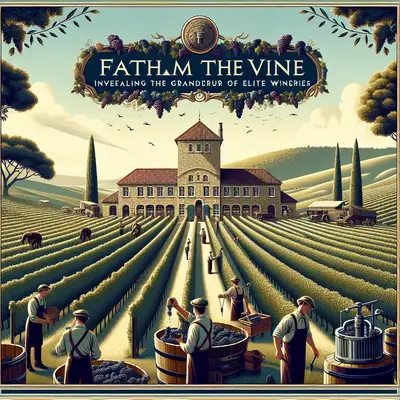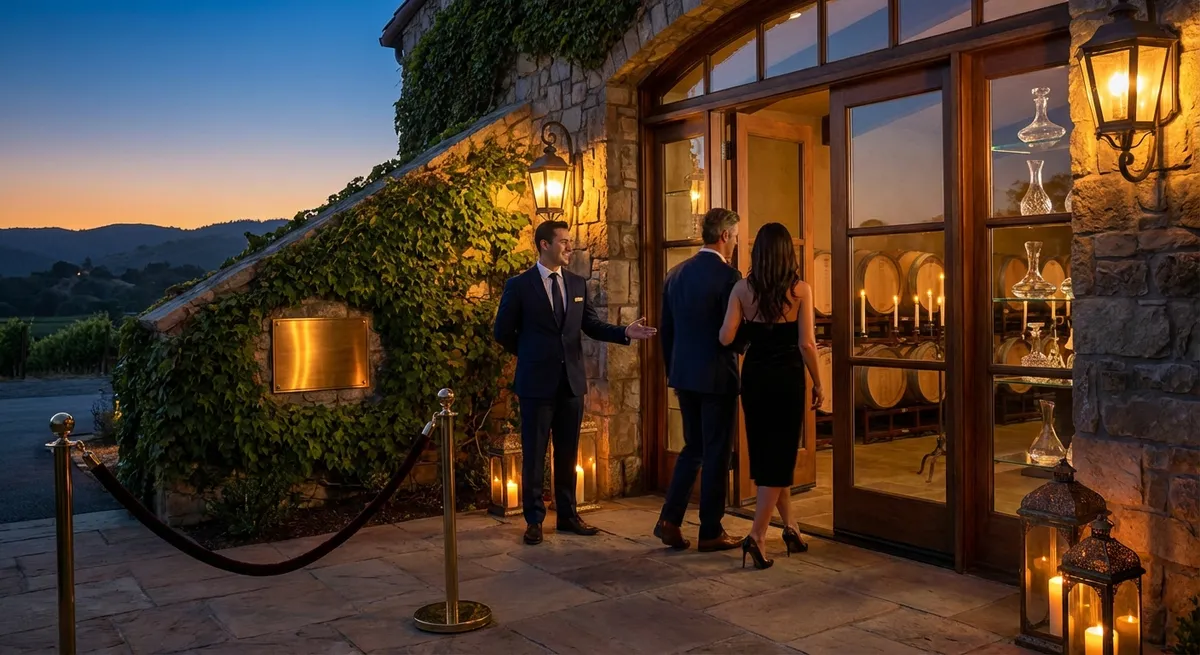
There is a moment, just as the estate gates close behind you, when the outside world seems to soften. The pace changes, the light feels different, and the hum of daily life yields to the quiet precision of a place devoted to one thing: making extraordinary wine. Premium wineries are not simply producers of coveted bottles; they are carefully composed worlds where architecture, farming, time, and hospitality are orchestrated to heighten every sense. Stepping into these spaces as a guest is less about “tasting” and more about being initiated into a philosophy—one that rewards curiosity, attentiveness, and a willingness to linger.
The Discreet Geometry of a Premium Estate
Premium wineries rarely shout for attention; they are designed to reveal themselves in measured layers.
From the moment you arrive, the geometry of the property is telling you a story. The approach road is not accidental—it might curve to frame a single historic vine, or rise gently so the first full view of the vineyard arrives just as you crest a hill. Pathways are chosen to slow your stride, guiding you past specific blocks, sculptures, or vantage points. The architecture itself frequently echoes the surrounding topography: low-slung buildings that mirror the contours of distant hills, or stone façades that appear almost quarried from the soil beneath the vines. Inside, materials are carefully selected to control light and acoustics—muted stone, warm wood, and subtle fabrics that lower the volume of the room and allow the wine to speak clearly. In the most considered estates, even the sightlines from the tasting room windows are curated, aligning your glass with the exact slope or parcel from which that wine was born.
Behind the Gates: The True Currency Is Time
At the top tier, the luxury is not marble floors or dramatic chandeliers; the rarest asset is time.
Premium wineries understand that profound wines are not produced on a convenient timetable. Vineyards are pruned later or earlier according to the needs of each block, not a fixed calendar. Harvest is decided by walking the rows and tasting berries at dawn, not relying solely on laboratory data. In the cellar, extended aging—whether in barrel, amphora, or concrete—ties up capital for years, sometimes decades, with no guarantee of the market’s mood upon release. For guests, this devotion to time becomes tangible when you are poured a library vintage beside the current release, or when you taste a wine that will not see the public for several more years. These moments are a quiet revelation: you are not simply consuming a product, but briefly inhabiting the long, patient arc of the estate’s decisions.
Five Exclusive Insights Savored by Devoted Enthusiasts
For those who look beyond the label, certain subtleties define the difference between a polished visit and a truly elevated encounter. Seasoned wine travelers often recognize—and quietly seek—these less obvious dimensions.
1. Vineyard Topography Is the Unspoken Menu
At premium estates, the real “menu” is laid out across the slopes, not the tasting sheet.
Enthusiasts learn to read the land before the first pour. Notice which rows face the morning sun and which absorb the more forceful afternoon light. Observe how cool air drains down gullies or lingers in shallow dips. These cues often explain the character in your glass more eloquently than any technical note: the tension of a wine from a wind-exposed ridge, the plush texture from a sheltered hollow, the spice and structure from thin, rocky parcels where vines struggle. When you understand the contours of the site, every wine in the lineup feels less like an isolated product and more like a precise expression of a particular line drawn across the landscape.
2. The Most Important Person May Never Pour You a Glass
At the finest properties, the director of hospitality may greet you, and the winemaker might appear briefly—but the crucial voice is often the vineyard manager or viticulturist.
Enthusiasts know that a quiet conversation in the vines can be more revealing than an eloquent cellar presentation. Ask about canopy decisions, cover crop choices, grafting strategies, or how they responded to the most challenging recent vintage. The way they speak about stress—drought, heat spikes, unexpected rain—offers a candid window into the estate’s resilience and philosophy. These professionals are guardians of the raw material; listening to them transforms your appreciation from stylistic preference (“I like this wine”) to deeper understanding (“I see why this site, in these conditions, could only result in this wine”).
3. Barrel Rooms Are Libraries, Not Showrooms
Impressive barrel halls are often designed to inspire awe, but the knowledgeable guest looks beyond the symmetry of oak rows.
Pay attention to the diversity of cooperages and toast levels, the proportion of new versus neutral barrels, and whether other vessels—concrete eggs, large-format foudres, amphorae—quietly line the edges of the room. Enthusiasts recognize that blending is a language, and each vessel is a specific word in the winemaker’s vocabulary. A cellar dominated by small new barrels suggests an emphasis on structure and polish; a mix of large, neutral oak and concrete may indicate a priority on purity and texture. When possible, tasting the same wine from different barrels before blending is a privileged glimpse into the estate’s decision-making, exposing the individual “chapters” before the final story is written.
4. True Luxury Is in What You Are Not Offered
In the realm of premium wineries, restraint is as revealing as abundance.
You may notice that certain vineyards you drive past never appear on the tasting list, or that an entire experimental project is briefly mentioned but not poured. Enthusiasts understand that what remains invisible to casual visitors often signals the most precious work—micro-lots bound for auction, experimental parcels not yet ready to define publicly, or wines reserved exclusively for long-standing members and private placements. Rather than pressing for access, attentive guests respect these thresholds, recognizing that true luxury lies in the estate’s willingness to protect its most fragile or formative expressions from overexposure.
5. The Most Memorable Pairings Are Conceptual, Not Culinary
While elevated food pairings are common at top estates, seasoned wine travelers pay close attention to the conceptual pairing between wine and place.
A textured white served while standing on the calcareous soils from which it originates can be more transformative than the most elaborate amuse-bouche. A structured red poured beside old wooden fermenters, while the winemaker explains a steadfast refusal to chase trends, creates an intellectual resonance that lingers longer than any single flavor. Enthusiasts seek these layered pairings—wine with architecture, wine with climate, wine with the personal convictions of the people who craft it. Such alignments carve a memory that cannot be reproduced by simply opening the same bottle at home; the experience itself becomes part of the wine’s identity in your mind.
Curated Hospitality: The Art of Being Quietly Looked After
True premium hospitality is almost imperceptible—felt rather than seen.
You are never rushed, yet your glass is never empty at the wrong moment. Staff adjust their cadence to match your curiosity: technical depth for those who seek it, graceful simplicity for those who prefer to feel rather than analyze. Seating arrangements are deliberate: an angle of a chair that orients you toward a particular vineyard block, or a private alcove that encourages conversation instead of spectacle. Sound is carefully moderated: soft floor coverings that absorb footsteps, understated music that never competes with spoken words, and deliberate use of silence during certain pours. The result is a cocoon of attention that allows you to engage with the wines—and the people behind them—without distraction or performance.
Beyond the Visit: Carrying the Estate Home
The finest winery experiences do not end at the checkout counter; they continue long after the suitcases are unpacked.
Premium wineries often provide detailed vintage notes, cellar recommendations, and serving guidelines that allow you to recreate, in miniature, the conditions under which the wines were envisioned. Enthusiasts keep these materials, revisiting them when opening a bottle years later to recall the feel of the air that day, the scent of the barrel room, the tone of the winemaker’s voice. Thoughtful collectors may even stagger their openings—one bottle soon after the visit, another in five years, another in ten—using each as a touchstone to measure both the wine’s evolution and their own changing palate. In this way, a single afternoon at a premium estate becomes a long, unfolding relationship, renewed with each cork pulled.
Conclusion
Premium wineries are, at their core, meticulous compositions of land, time, and intent. For the discerning traveler, the real reward lies not in the rarity of the label, but in the subtleties that reveal how deeply an estate has considered every detail—from the angle of a hillside to the quiet choreography of a tasting. By attuning yourself to these layers and embracing the insights that lie just beneath the surface, each visit becomes more than an outing; it becomes an initiation into a more thoughtful way of experiencing wine, one where every glass is a distillation not only of terroir, but of a carefully crafted moment in time.
Sources
- Wine Institute – California Wine Country Facts - Industry data and context on premium wine regions and production in California
- Napa Valley Vintners – What Makes Napa Valley Unique - Insight into terroir, climate, and the distinguishing features of a leading premium wine region
- Institute of Masters of Wine – The Concept of Terroir - In-depth discussion of terroir, site expression, and their importance in fine wine
- University of California, Davis – Viticulture and Enology Program - Academic perspective on scientific and technical aspects underpinning premium winegrowing
- Decanter – Guide to Fine Wine Maturation - Expert overview of aging, cellaring, and time as a key component of high-end wine quality
Key Takeaway
The most important thing to remember from this article is that this information can change how you think about Premium Wineries.