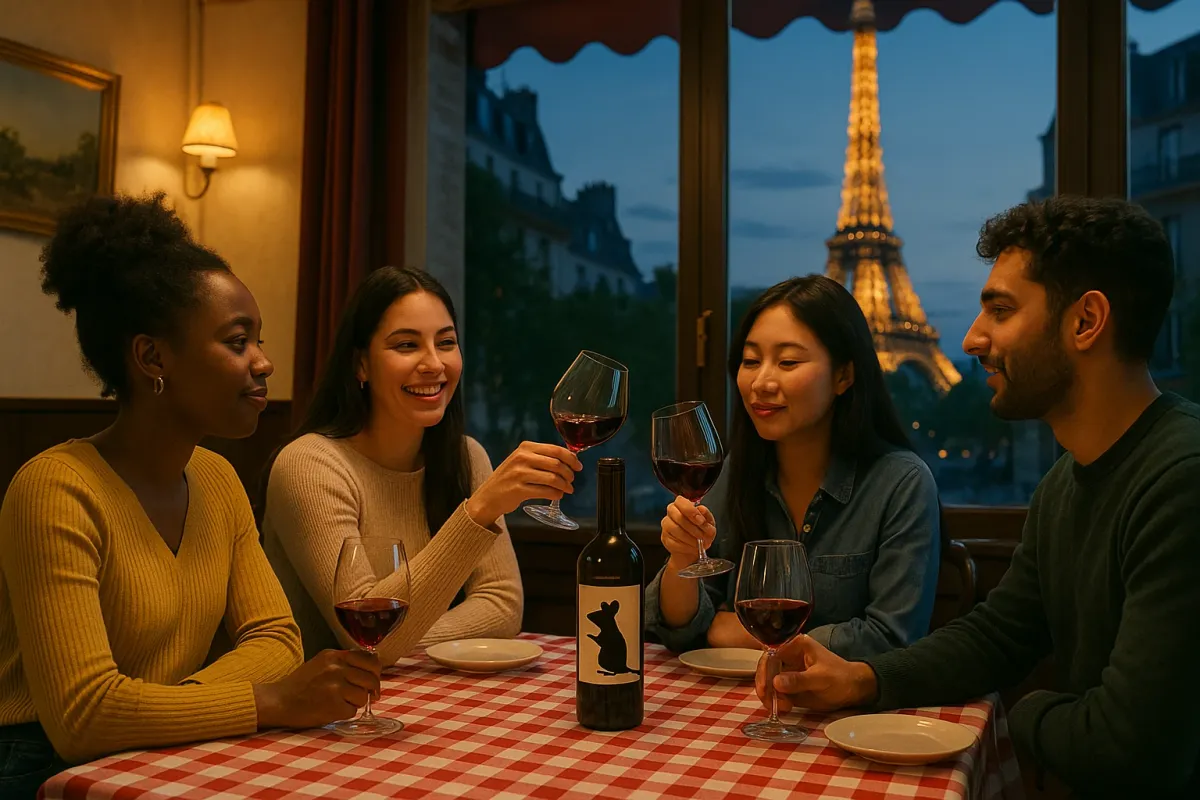
There is a quiet, cinematic magic to a great wine tasting—the feeling that, for a moment, you have stepped into a world where flavor, memory, and place are exquisitely in sync. As Pixar’s Ratatouille trends again thanks to a new wave of viral “hidden details” breakdowns, wine lovers are revisiting that animated Paris not just as a love letter to food, but as a masterclass in how to truly experience flavor.
The film’s renewed spotlight—especially around its meticulous depictions of French kitchens, markets, and dining rituals—offers an unexpectedly refined lens for rethinking how we taste wine today. The same sensory storytelling that made viewers fall in love with a cartoon rat in Paris can quietly elevate your next vineyard visit or private tasting.
Below, inspired by the current online fascination with the hidden artistry of Ratatouille, are five exclusive, deeply sensorial insights to bring a bit of “animated Paris” elegance into your real-world wine adventures.
Savor Like Gusteau: Let the Wine Tell a Story, Not Just a Grape
One of the most shared details circulating online about Ratatouille is how rigorously the filmmakers researched French culinary culture—the copper pots, the knife work, the layered mise en place. Nothing is incidental; every object reveals a story of craft. The same is true of a fine wine. When enthusiasts reduce a tasting to “Cabernet vs. Pinot,” they miss the narrative embedded in the glass.
In a premium tasting setting, ask for the story rather than just the varietal. Who pruned the vines during that unusually cool spring? Was there a late September heat wave that accelerated ripening? Is the vineyard dry-farmed, forcing roots deeper into mineral-rich soils? This is not about trivia—it’s about understanding why the wine moves the way it does across your palate. Much like Gusteau’s mantra “Anyone can cook” is really about honoring care and intention, “anyone can taste” becomes transformative when you treat the wine as a chaptered story: aroma as the prologue, mid-palate as rising action, finish as quiet, lingering denouement. The most memorable tastings are not a flight of wines; they’re a flight of narratives.
Embrace “Flavor Synesthesia”: See Your Wine the Way the Film Shows Taste
One of the viral conversations around Ratatouille this week revisits its most famous visual device: when Remy tastes foods, abstract colors, shapes, and lines appear on screen—essentially a visual language for flavor. This is more than a charming gimmick; it’s an advanced tasting technique in disguise. Elite sommeliers and winemakers often describe flavors through texture, geometry, and motion as much as through fruit or spice terms.
At your next tasting, gently step beyond “berries,” “oak,” or “vanilla.” Instead, allow yourself a moment of silent observation: does this Chardonnay feel like a silk ribbon or a starched linen napkin? Does a high-altitude Pinot Noir move in a straight, taut line across the tongue, or does it bloom outward in concentric circles? Is the acidity a quick, crystalline sparkle, or a slow, tapering chord? These metaphorical impressions may sound poetic, but they help you map structure—acidity, tannin, weight—with unusual precision. Just as Ratatouille makes flavor visible, you can “see” your wine internally, transforming each sip into a private, luxurious piece of sensory art.
Curate Your Pairings Like a Parisian Kitchen, Not a Tasting Room Snack Tray
As fans online dissect Ratatouille’s kitchen scenes, they’re noticing something: the film treats ingredients as characters, not props. Cheese, herbs, vegetables—each carries identity, purpose, and emotional weight. In contrast, many tasting rooms still relegate pairings to an afterthought: a neutral cracker here, a generalized cheese cube there. For the discerning traveler, this is a missed opportunity.
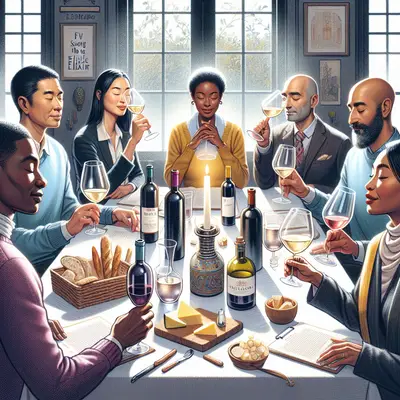
When booking a premium tasting, seek out wineries that collaborate with serious culinary programs—onsite chefs with seasonal menus, partnerships with local affineurs, or curated boards built around specific wines instead of generic “red-friendly” or “white-friendly” assortments. Ask how the chef designed the pairing: what contrast are they creating, or what echo? A goat cheese’s chalky tension amplifying Sauvignon Blanc’s linear acidity; a truffled pecorino deepening the forest-floor nuance in a mature Nebbiolo; a barely-sweet pâte de fruit elongating the finish of an old-vine late harvest. A sophisticated tasting today feels less like a bar and more like a micro-restaurant in the vines, where every bite, like every frame in Ratatouille, is there for a reason.
Design Your Setting: Lighting, Silence, and the “Cinema” of the Tasting Room
The current wave of Ratatouille commentary is obsessed with hidden production details—how the animators studied real restaurant lighting, steam, and reflections to capture that intimate Parisian glow. The takeaway for wine travelers is subtle but powerful: environment is not a backdrop; it is an active ingredient in flavor perception.
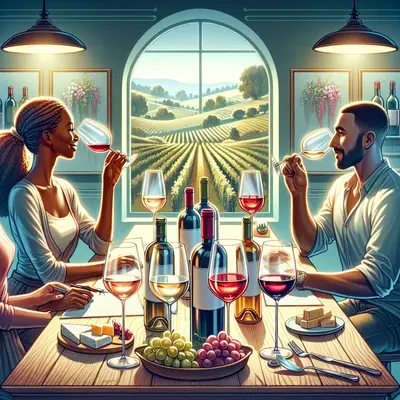
When selecting a tasting experience, look for spaces that understand this cinematic principle. Natural but softened light that respects the color of the wine; deliberately chosen soundscapes or quietude that allow you to hear the faint clink of stemware; seating that positions you towards a vineyard view rather than a parking lot. Even the distance between tables sets the emotional temperature—are you in a convivial salon or a hushed, almost library-like salon de dégustation? A truly elevated tasting feels paced like a beautifully edited film: no rush, no dead air, just a measured unfolding of scenes—welcome pour, cellar walk, single-vineyard spotlight, contemplative finale. In this context, you are not just a guest; you are the audience for a carefully staged sensory performance.
Chase Your “Anton Ego Moment”: Choosing Tastings That Trigger Memory, Not Just Scores
As Ratatouille trends again, one scene dominates social feeds: critic Anton Ego’s stunned, emotional flashback when he tastes the humble ratatouille. The power of that moment has little to do with technical perfection and everything to do with personal resonance. For seasoned wine travelers, this is the ultimate luxury—not the most expensive bottle, but the most meaningful one.
To cultivate your own Anton Ego moment, choose experiences that intersect with your own history. If your earliest family gatherings featured rustic Italian reds, seek out estates specializing in Sangiovese or Barbera and ask to taste older vintages alongside current releases, inviting memory to fill in the space between them. If coastal summers define your happiest recollections, pursue maritime-influenced whites, where a saline edge might quietly echo those days. Engage your host in this intention: share a fragment of your story and invite them to curate a pour that might speak to it. The rarest privilege in wine is not access; it is emotional precision—the sense that, just for a moment, a glass in your hand understands something about you.
Conclusion
As the internet falls in love all over again with the hidden craft and sensory poetry of Ratatouille, wine travelers have a unique opportunity to borrow its lessons. Behind the animated Parisian skyline lies a philosophy: flavor is narrative, environment is part of the composition, and the most unforgettable experiences are those that connect outward beauty to inner memory.
On your next journey with Wine Tour Adventures, consider stepping into the tasting room the way Remy steps into Gusteau’s kitchen—with curiosity, reverence for detail, and a willingness to let a simple sip become an elegant, cinematic moment. After all, the finest wine experiences are not just tasted; they are directed, composed, and quietly unforgettable.
Key Takeaway
The most important thing to remember from this article is that this information can change how you think about Wine Tasting.