In an era obsessed with what’s trending, a quietly powerful countercurrent is shaping the world’s most coveted cellars. While tech headlines celebrate the next breakthrough, another story is unfolding in parallel: discerning travelers and collectors are seeking out the rare, the slow, and the “obsolete.” The same cultural nostalgia fueling today’s fascination with analog cameras, vinyl records, and pre-digital relics—like those showcased in Rolling Stone writer Rob Sheffield’s reflections on how fast the world has moved on—is also breathing new life into the most premium corners of wine country.
As mainstream media revisits “obsolete things” to show how dramatically our lives have changed, the world’s top wineries are embracing their own version of beautiful obsolescence: forgotten grape varieties, pre-war craftsmanship, and painstaking techniques that would be economically irrational if they weren’t producing such transcendent wines. For the sophisticated traveler, these estates don’t just pour wine; they pour time itself, distilled into a glass.
Below are five insider lenses through which today’s most exclusive wineries are turning the “old-fashioned” into the ultimate modern luxury.
1. The Return of “Forgotten” Grapes as the New Status Symbol
Across Europe and beyond, there’s a growing fascination with what might once have been considered viticultural relics—grape varieties that almost disappeared under the rise of more commercially popular cultivars. Inspired by the same impulse that makes an old mixtape or typewriter feel rare and captivating in a digital age, top estates are resurrecting grapes whose names rarely appear on supermarket shelves.
In Portugal’s Douro, for example, revered quintas are spotlighting field blends of indigenous grapes—Touriga Nacional, Tinta Roriz, Tinta Barroca, and dozens more—planted long before modern viticultural “tidying” took hold. In Italy, premium producers in regions like Etna and Alto Piemonte are doubling down on historically unfashionable grapes such as Nerello Mascalese and Nebbiolo from ancient, high-altitude parcels, while in France’s Loire Valley, boutique domaines are reviving obscure Chenin and Pineau d’Aunis plots once considered uneconomical. For travelers, a visit to these estates is no longer just about tasting a region; it’s about tasting what almost vanished. The rarest bottles are now the ones that feel like they slipped through time.
2. Analog Craft in a Digital World: When Refusal Becomes Luxury
The current fascination with “obsolete things” circulating online—old gadgets, discontinued formats, and pre-smartphone tools—highlights a crucial truth: in a frictionless world, effort itself becomes a luxury. Premium wineries have understood this for decades, and the most revered estates are increasingly turning their resistance to automation into a signature of excellence.
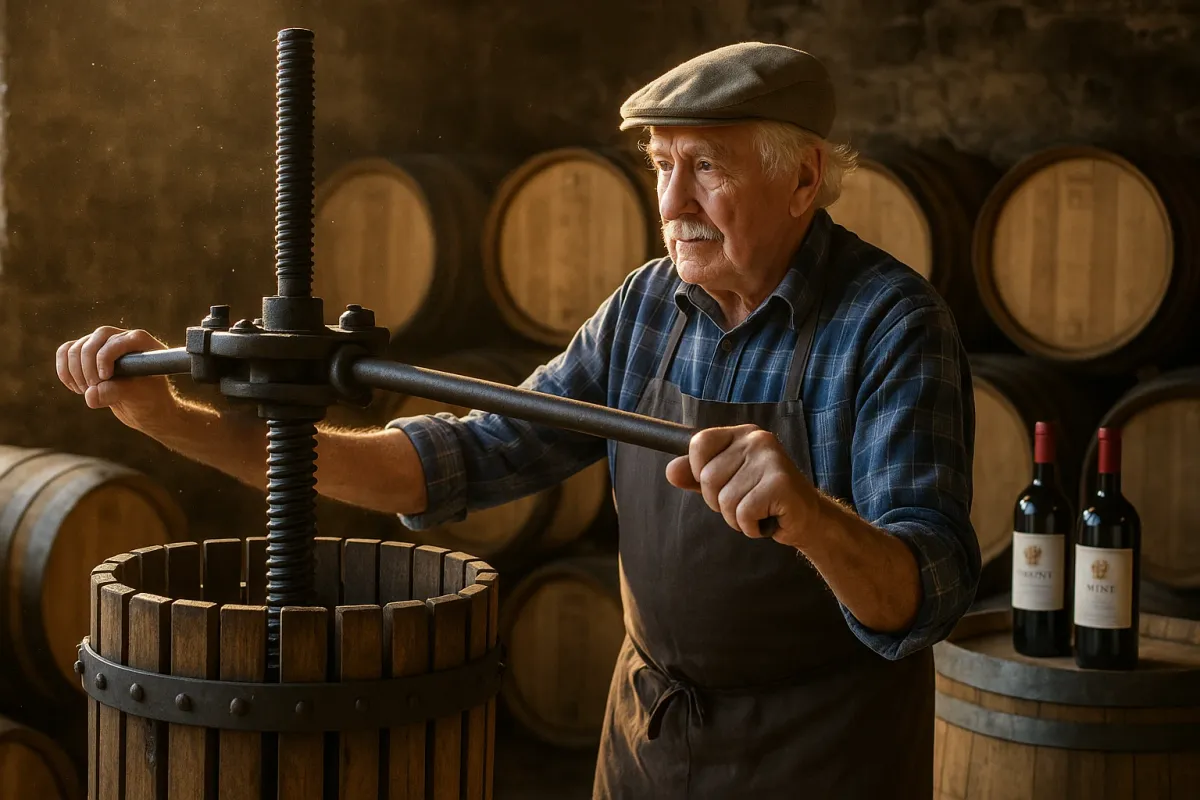
From Burgundy to the Napa Valley, a subset of top-tier properties is intentionally minimizing mechanization in the vineyard. Hand-harvesting at night, horse-plowing historic parcels, and sorting grapes berry by berry are no longer just romantic gestures; they are strategic decisions that result in textural nuance and precision in the glass. In the cellar, eschewing invasive filtration, high-tech shortcuts, or aggressive oak is framed not as a rejection of progress, but as a commitment to purity. When you stand in a barrel room lined with thick, old cooperage that predates your grandparents, guided by a winemaker who still prefers chalk on a cellar wall to a dashboard on a tablet, you recognize a pattern: in the luxury wine space, “obsolete” is simply another word for uncompromising.
3. Heritage Architecture as a Living Museum of Taste
Real estate headlines may delight in showcasing “listings from hell” and absurd design mishaps, but at the uppermost level of wine tourism, architecture is treated as seriously as the wine itself. The world’s top estates are curating spaces with the same meticulous intent they bring to their vineyards—a counterpoint to the chaos of the mass-market built environment.
Think of Bordeaux’s Left Bank châteaux, where refurbished 19th-century barrel halls now coexist with minimalist, gravity-flow cellars by star architects. In Rioja, avant-garde buildings by Frank Gehry and Santiago Calatrava sit beside centuries-old stone villages, turning the act of arrival into a form of theater. In Champagne, maisons are investing heavily in their historic crayères—Roman-era chalk cellars—illuminated just enough to reveal hand-chiseled walls and riddling racks. These are not decorative backdrops; they are sensory calibrators. The precise texture of stone underfoot, the measured silence of thick walls, and the way light falls on an old press all shape a visitor’s perception before the first sip. Premium wineries understand that in a world of disposable design, truly considered spaces feel as rare as grand cru allocations.
4. Time as the Ultimate Luxury: Extended Aging and “Slow” Releases
The modern world revolves around speed—instant downloads, same-day deliveries, and the constant acceleration of daily life. This is exactly why slow, deliberate aging has become one of the most powerful signals of true luxury in wine. While social media celebrates how much the world has “moved on,” the top wineries are quietly investing in the opposite: patience.
In Champagne, prestige cuvées may rest on the lees for a decade or more before release, emerging with the kind of depth, brioche complexity, and graceful mousse that no quick-fermented sparkling wine could ever mimic. In Rioja, gran reservas are still held for extended periods in barrel and bottle, even when the economics argue otherwise. Elite Barolo and Brunello producers routinely delay release until the wine’s structure begins to soften into something hauntingly aromatic and layered. When you visit these estates, you’re not just tasting the current vintage; you are tasting the winery’s philosophy of time. They tie up capital and precious cellar space for years, simply so that, when you finally open the bottle—perhaps in a decade, perhaps in three—you encounter a wine that has had the luxury of becoming fully itself.
5. The Rise of Curated, Micro-Intimate Experiences
In the same way that some people now seek out small, analog communities online amid the noise of massive platforms, high-end wine travelers are shifting away from crowded tasting bars and toward experiences that feel deeply personal and unrepeatable. Premium wineries are responding with a new kind of hospitality—quietly extravagant without ever feeling ostentatious.
This might mean a private tasting at a single, weathered table in the vineyard at golden hour, guided by the estate’s winemaker rather than a rotating staff member. It might involve vertical tastings from library vintages usually reserved for collectors, paired with regionally inspired, chef-driven menus cooked just for your party. Some estates now offer “heritage immersions” in which guests walk historic plots, taste from experimental barrels, and explore archival labels and logbooks that reveal the family’s evolution over the decades. These experiences are rarely advertised widely; they circulate through word of mouth among serious enthusiasts. The currency here is not simply price, but intimacy: the feeling that, for an afternoon, the estate has opened up its inner life just for you.
Conclusion
As cultural conversations fixate on what has been left behind—obsolete technologies, forgotten habits, lost artifacts—the world’s greatest wineries are proving that not everything old should be discarded. In fact, in the realm of fine wine, the most coveted experiences are often those that stubbornly refuse to modernize for convenience’s sake.
For travelers curating their next journey, the real luxury isn’t just a famous label; it’s stepping into places where time moves differently, where obsolete techniques are preserved with reverence, and where every detail—from the grape in your glass to the stone beneath your feet—whispers of a world that almost disappeared, but didn’t. On Wine Tour Adventures, those are the stories—and the estates—we seek out: not simply premium, but profoundly, beautifully enduring.
Key Takeaway
The most important thing to remember from this article is that this information can change how you think about Premium Wineries.