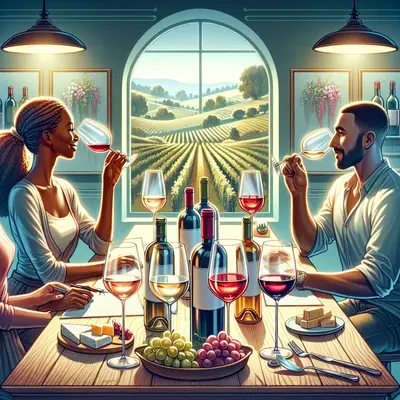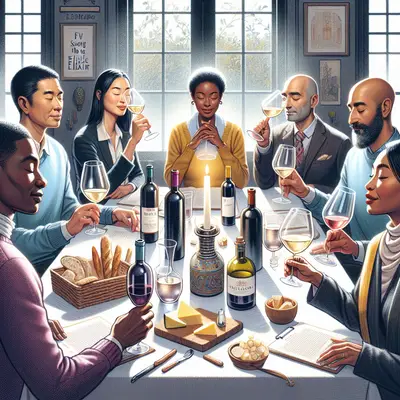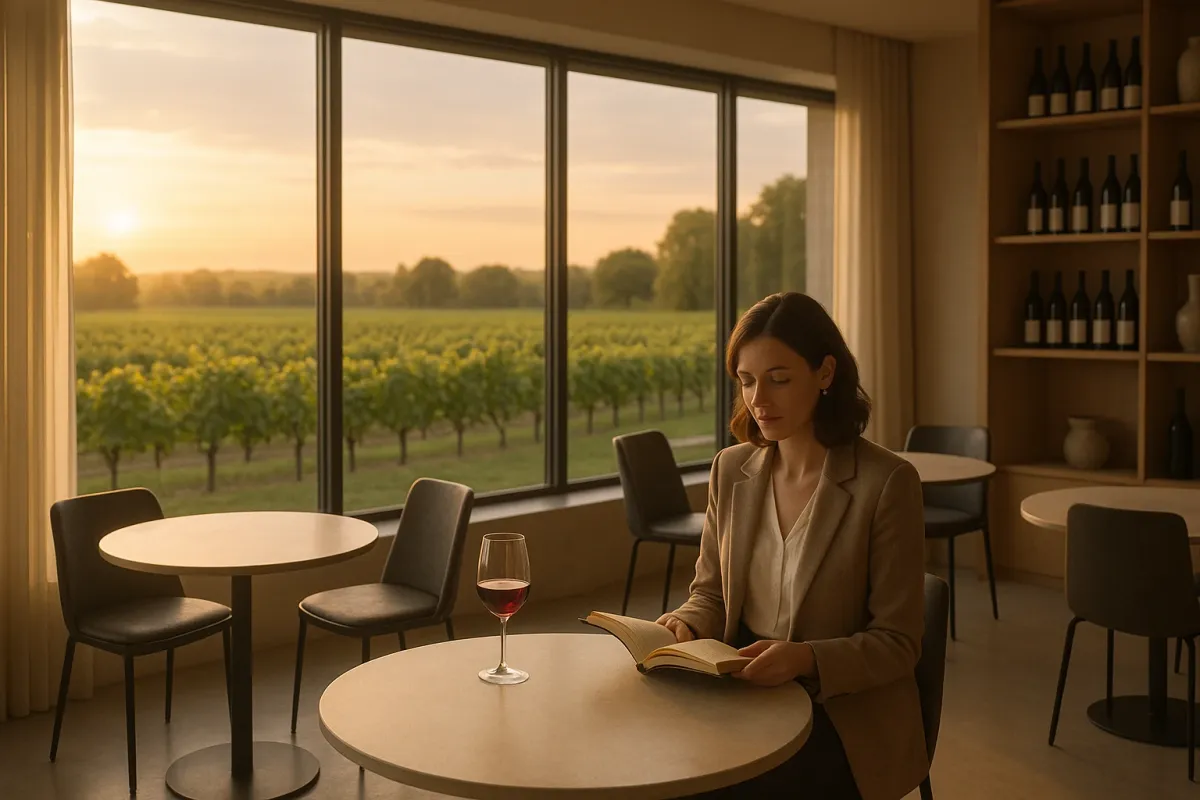
The internet is laughing today at “introvert problems” memes—viral posts capturing the quiet panic of crowded parties, forced small talk, and overstimulating social calendars. While these jokes rack up millions of views, they’re also pointing to a very real cultural shift: an era where not everyone wants their leisure time to feel like a networking event. And nowhere is that more evident than in the new wave of wine tasting experiences.
Luxury wineries from Napa to New Zealand are quietly reimagining hospitality for guests who crave refinement without performance—spaces where you can savor a grand cru in peace instead of shouting over a live band at the bar. As “introvert culture” trends across social media, high-end estates are responding with more privacy, more intentionality, and far more respect for silence.
What follows are five exclusive, insider-level insights into how the world’s most thoughtful wineries are designing a new kind of tasting—one that feels more like a private salon than a crowded scene, and why this matters right now.
1. The Shift from Tasting Bars to “Listening Rooms” for Wine
In the same way audiophiles obsess over acoustically tuned listening rooms, serious wine estates are beginning to treat their tasting spaces as sensory sanctuaries. As social feeds fill with posts about introverts feeling drained by loud, crowded venues, top wineries are taking note: the white marble bar with 30 people elbow-to-elbow is no longer the pinnacle of luxury.
Architects and designers working in Napa, Sonoma, and Stellenbosch report a sharp rise in briefings that prioritize sound control and spatial calm—soft furnishings, thick plaster walls, and layouts that naturally disperse conversation instead of amplifying it. Some estates in Bordeaux and Tuscany now limit the number of concurrent bookings per room, not as a COVID-era afterthought, but as a permanent feature for guests who value focus over buzz. For the serious enthusiast, this has an immediate impact: you can actually hear your sommelier describe the vineyard soils, notice the faintest herbal edge in a cool-climate Syrah, and feel your nervous system unwind between pours.
2. Appointment-Only Tasting as a Feature, Not a Barrier
For years, appointment-only tastings were perceived as the domain of gatekeeping old-world châteaux or ultra-exclusive cult producers. But in an age when many people openly admit they dread walking into a busy bar unannounced, pre-booked, small-format tastings are emerging as a discreet luxury—especially for guests who identify with those “introvert problem” jokes making the rounds online.
Forward-thinking wineries in regions like Willamette Valley, Margaret River, and Rioja Alavesa are refining the appointment model, not to exclude, but to curate. Guests submit their preferences in advance—varietals, prior knowledge, desired pacing—and arrive to find a setting prepared specifically for them: glassware matched to the flight, decanting already in progress, and an educator who has read their profile instead of reciting a script. For wine lovers, this means less time “performing” one’s knowledge in front of a crowd, and more time in a genuine, relaxed dialogue about terroir, vintages, and cellar potential. The experience feels closer to visiting a private collector’s home than lining up at a tourist tasting bar.
3. The “Quiet Table” Concept: Borrowed from Fine Dining, Perfected in the Vineyard
Fine dining restaurants have long understood the allure of the corner banquette or the secluded booth; now, wineries are adapting that same choreography for their most discerning guests. As conversations about introversion trend online, some estates are quietly experimenting with a “quiet table” concept—never marketed loudly, but easily requested with a discreet note at booking.
In practice, this might mean a table tucked into a loggia overlooking the vines, a fireside armchair pairing in winter, or a shaded pergola hidden from the main terrace. Service is intentionally unhurried and low-voiced. Instead of boisterous group explanations, you may receive tasting notes presented in a beautifully printed folio or via a tablet experience you can explore at your own pace. Crucially, staff are trained to read social cues: some guests want depth and detail; others want gentle silence with just a few highly considered remarks. The luxury isn’t just in the setting—it’s in the permission not to perform.
4. Silent Flights: Letting the Wine Speak First
One of the most intriguing emerging trends in high-end tasting rooms is the rise of “silent flights”—curated sets of wines presented without immediate verbal explanation, allowing the guest to taste, think, and even take notes before any narrative is layered onto the experience. This approach aligns perfectly with a world that’s suddenly more attuned to overstimulation and the need for quiet mental space.
Pioneering sommeliers in California, South Africa, and northern Italy are designing these silent flights as almost meditative exercises. The wines are poured, perhaps numbered rather than labeled, and guests are invited to explore them in silence for several minutes. Only after initial impressions are formed does the host begin to reveal the story—grape variety, vineyard site, harvest conditions, élevage choices. For enthusiasts, this is more than a novelty; it’s an advanced tasting practice that sharpens sensory perception, disrupts label bias, and restores some of the mystery to wine. In an age of constant explanation and commentary, that pocket of deliberate quiet feels deeply luxurious.
5. Data-Driven Personalization for Those Who Don’t Love Small Talk
At the same time social media is celebrating introvert humor, the luxury hospitality world is quietly investing in tools that make in-person interactions more intentional—and more efficient. A number of leading estates are now using reservation systems that function almost like a private-sommelier dossier: noting which vintages you’ve previously enjoyed, your preferred tasting length, how much technical detail you typically engage with, even whether you tend to purchase for near-term drinking or long-term cellaring.
For people who find repetitive small talk draining, this is transformative. Instead of the usual “So, where are you from? Do you prefer red or white?”, your host might begin with a remark such as: “Last time you were here, you lingered over our single-vineyard Chardonnay from the eastern slopes. Today we’ve arranged a comparative tasting of that site across three vintages, alongside a new parcel we believe you’ll find texturally fascinating.” Technology takes care of the remembering; you reap the benefit of an experience that feels immediately intimate and relevant without having to explain yourself from scratch.
Conclusion
As the world chuckles over “introvert problems” online, the most sophisticated wineries are listening—and responding with spaces and experiences that honor quiet preference as a form of luxury, not an obstacle to it. From acoustically tuned tasting rooms to appointment-only salons, silent flights, and data-informed hospitality, the premium wine world is quietly evolving away from the noisy bar model and toward something more thoughtful, more personal, and infinitely more restorative.
For Wine Tour Adventures guests, this shift opens a new frontier: tastings designed not to impress a crowd, but to delight your senses, calm your mind, and let great wine speak in its own unhurried language.
Key Takeaway
The most important thing to remember from this article is that this information can change how you think about Wine Tasting.