The internet spent this week laughing at a new wave of chef memes—brutally honest snapshots from the back-of-house trenches that went viral after a recent article spotlighted “what working in a kitchen is really like.” Yet behind the humor lies something remarkably relevant to how we experience vineyards right now. As restaurant kitchens bare their realities to the world, wine estates are responding with a quiet countermove: more transparency, more intimacy, and more chef-driven vineyard experiences that bring guests closer to the true craft of food and wine.
For travelers planning their next vineyard visit, this cultural moment matters. As hospitality professionals turn their own pressures into jokes, discerning wine lovers are seeking the opposite of meme culture in real life: places where time slows, craft is honored, and every plate and pour feels intentional. Across leading wine regions, estates are quietly reimagining visits to mirror the best of serious kitchen culture—precision, seasonality, discipline—without the chaos that’s trending online.
Below, discover five exclusive, chef-inspired insights that are reshaping sophisticated vineyard visits right now, and how to recognize them when you plan your next Wine Tour Adventures escape.
The Rise of the “Chef-Forward” Vineyard Table
The viral fascination with kitchen life has coincided with something far more refined in the wine world: estates inviting serious culinary teams to the vineyard itself. Around the globe, from Napa Valley to Stellenbosch, Bordeaux to the Yarra Valley, more wineries are operating kitchens that would not feel out of place in a Michelin-starred restaurant—staffed by chefs who once lived the meme-worthy chaos now trending online.
Today, premium estates are quietly shifting from basic cheese boards to fully conceived tasting menus where the vineyard is the pantry. Think: dishes built around estate-grown olive oil, garden produce harvested that morning, or herbs gathered from the vineyard borders. The experience moves beyond “wine with food” to “culinary storytelling through terroir.” Guests seated overlooking rows of vines watch service unfold with the precision of a top kitchen—without the slammed-ticket hysteria we see in memes. When planning your visit, look for wineries where the chef is named alongside the winemaker on the website; that often signals a program driven by genuine culinary vision, not just a menu designed to absorb alcohol.
From Tasting Room to Service Pass: Transparent Craft Instead of Polished Theater
Chef memes resonate because they puncture the illusion of restaurant perfection. Similarly, the most forward-thinking wineries are easing away from the overly staged tasting room performance and leaning into honest, craft-focused encounters. Rather than rehearsed scripts, you’ll increasingly find educators and sommeliers willing to talk about real challenges: difficult vintages, shifting climate patterns, evolving picking decisions, or why a particular parcel underperformed.
Some estates, especially in regions like Sonoma, Rioja, and Margaret River, now build behind-the-scenes access into their premium visits—barrel tastings in working cellars, time on the crush pad during harvest, or walks through production areas while equipment is actually in use. It’s the winery equivalent of stepping onto the pass in the middle of a busy service, except the atmosphere is calm, meticulous, and quietly exacting. Seek out tours described as “technical,” “estate immersion,” or “viticulture-focused.” These experiences attract enthusiasts who want more than Instagram moments; they want to understand the decisions that shape every bottle.
Seasonality as Luxury: Visiting When the Work Is Real, Not Merely Picturesque
Memes about holiday rushes and brutal weekend services highlight a truth the wine world shares: work in hospitality is deeply seasonal. Vineyards, however, have long marketed an endless summer of sunlit rows and golden hour tastings. That is changing. Savvy estates now frame specific visit windows as “work seasons” and invite guests into the rhythm of the year—especially those who appreciate the craft as much as the scenery.
In late winter and early spring, for instance, you might be able to witness pruning sessions or frost protection strategies in cooler regions. Late summer and early autumn in the Northern Hemisphere—or February to April in the Southern Hemisphere—can place you close to harvest activity: bins arriving, sorting tables in motion, tanks quietly fermenting. Increasingly, wineries curate limited guest experiences during these periods with the same intentionality that top restaurants curate special menus during peak produce seasons. When you book, ask not just “What will I taste?” but “What is happening in the vineyard and cellar that week?” Aligning your visit with real work lends a depth to your experience that no perfect view can match.
Pairings Informed by the Line: How Serious Kitchens Elevate the Vineyard Visit
The chef memes circulating this week often show cooks juggling endless tickets and impossible timing. Ironically, that same obsessive focus on timing is precisely what makes chef-driven wine pairings so compelling at the vineyard. When estates partner with culinary teams who understand the tempo of a professional line, the result is not simply “wine with food,” but a choreography of texture, temperature, and timing that reveals new dimensions of the wines.
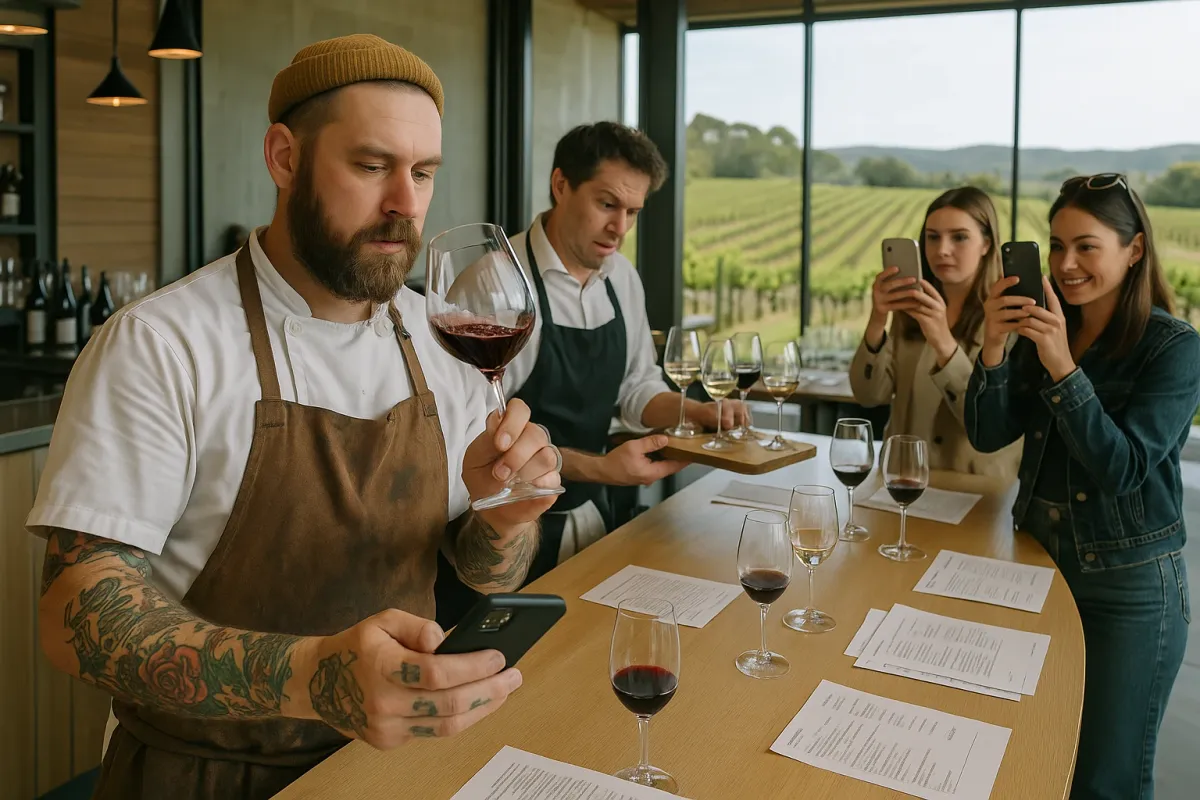
Expect to see more estates offering seated pairings that blur the boundaries between tasting menu and dégustation: a cool-climate Chardonnay poured with a dish that highlights saline, barely cooked shellfish; a structured Cabernet paired with a deeply reduced jus that echoes its tannic architecture; a delicate, low-extraction Pinot Noir matched to a dish built on smoke and earth rather than brute richness. The most thoughtful wineries now design their pairings backwards—starting with the wine, then creating micro-seasonal dishes that slot into its structure with the precision of a well-called ticket. When browsing options, prioritize “chef collaboration” or “degustation tasting” experiences; they often offer the most intellectually and sensorially rewarding way to meet an estate’s wines.
Quiet Luxury in the Vineyard: Hospitality Without the Hustle
What makes the chef memes so contagious is their frenetic, almost absurd energy: pans flying, orders stacking, cooks pushed to the edge. In response, the most elevated vineyard visits are leaning into an opposite aesthetic—hospitality as quiet luxury. This does not mean formality for its own sake; rather, it’s a deliberate uncrowding of the experience, an insistence that your time at the estate be measured in contemplative minutes, not in “turns.”
Practically, this looks like longer appointment windows, fewer guests on each tour, and tasting flights tailored in real time based on your interests rather than a fixed script. Some estates now open early or late for private, almost meditative visits: sunrise walks among dew-lit vines followed by a cellar tasting; twilight apéritifs as the last crews leave the fields. Others have rethought seating altogether, replacing stand-up tasting bars with lounge-style salons or secluded terraces where staff come to you—mirroring the best chef’s tables, where the kitchen steps into the dining room rather than the other way around. Watch for language like “by-appointment only,” “private salon,” or “estate lounge”; these often signal a commitment to calm, spacious hospitality that feels worlds apart from the chaos that fuels meme culture.
Conclusion
As the internet obsesses over the relentless pace and dark humor of modern kitchen life, the most sophisticated vineyards are charting a different course—one defined by transparency, seasonality, and deeply intentional hospitality. The same culture that makes chef memes so compelling is quietly reshaping what it means to visit a wine estate in 2025: chef-forward tables where the vineyard is the larder, cellar tours that feel more like privileged access than polished theater, and pairings constructed with the precision of a perfectly called service.
For wine enthusiasts planning their next journey with Wine Tour Adventures, this is a moment to seek more than scenery. Look for estates that reveal their working heartbeat, that invite chefs into the vineyard story, and that offer you the one luxury a busy world rarely grants: time—to taste, to observe, and to understand the craft behind every glass.
Key Takeaway
The most important thing to remember from this article is that this information can change how you think about Vineyard Visits.