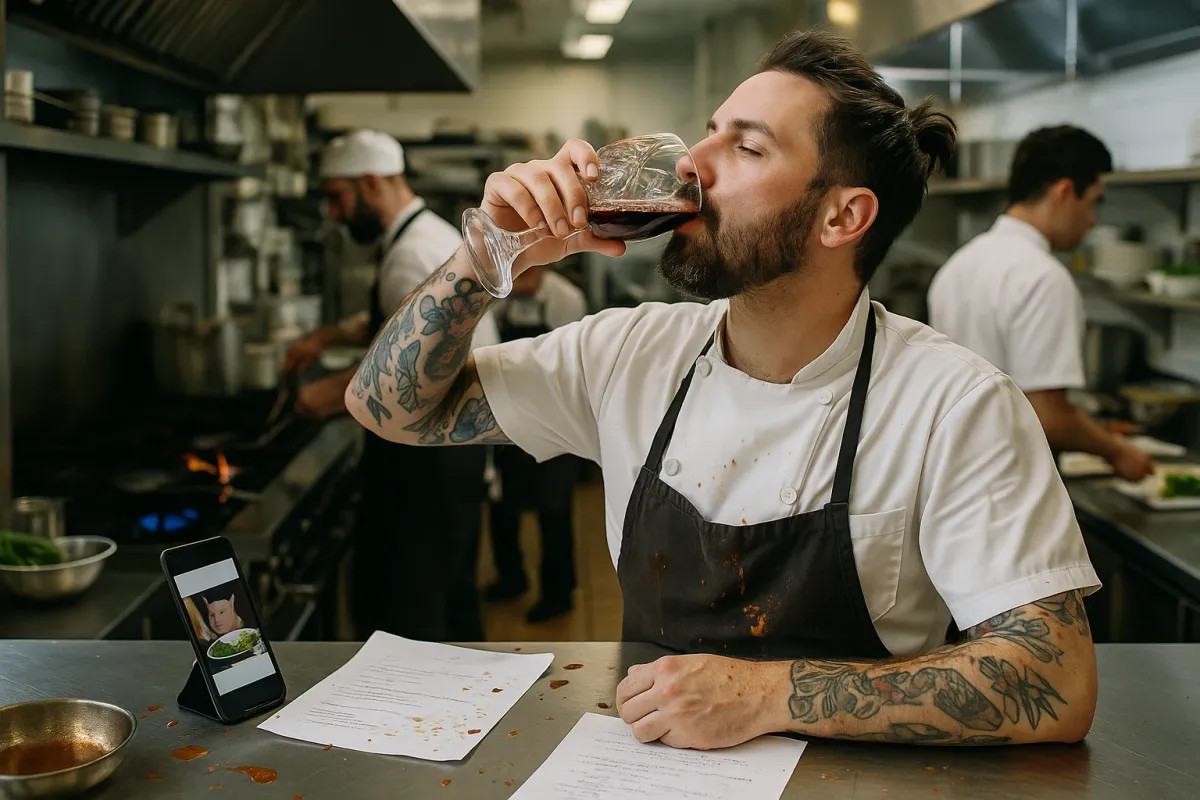
The internet is feasting on a new wave of chef memes—those brutally honest, darkly funny snapshots from the back of house that Bored Panda recently spotlighted in its piece on “what working in a kitchen is really like.” Behind the jokes about ticket times, burns, and broken hollandaise lies something serious: a cultural shift in how we think about hospitality, craft, and the people who quietly stage the show behind every plate.
For wine travelers, this shift is profound. As restaurant culture becomes more transparent—and more self-aware—wine tasting is evolving alongside it. The old script of stiff pours and memorized flavor notes is giving way to an experience shaped by the same high-wire intensity, precision, and personality we glimpse in those kitchen memes. The modern tasting room now behaves less like a genteel salon and more like an open kitchen with crystal stemware.
Below, five exclusive insights into how today’s “chef reality” moment is reshaping premium wine tasting—and how to curate your next visit with the discernment of an industry insider.
1. From Stage to Service: Why Your Next Tasting Feels More Like “Line Check” Than Theater
The viral chef memes are obsessed with one thing: the relentless choreography of service. Tickets, timing, mise en place—everything is about flow. High-end wineries have been quietly importing this mindset. The best tasting rooms now operate on a service cadence that would make a Michelin chef proud.
Notice how appointment-only tastings are timed to the quarter hour, how glasses appear and disappear with almost invisible precision, how staff coordinate their approach to your table like a brigade on the pass. This is not accidental—it’s borrowed from kitchens. Many estate hospitality leads are former sommeliers and restaurant managers, steeped in the discipline of pre-service line checks and tightly run floors.
As a guest, the luxury move is to lean into this rhythm rather than fight it. Arrive precisely on time, not fashionably late. Accept the curated sequence: there is intention in the way the blanc de blancs precedes the single-vineyard Chardonnay, just as there is logic in the way a chef builds a tasting menu. If you want to see the full elegance of the operation, ask—politely—when their “quietest” slot is. A 10:30 a.m. Tuesday tasting will reveal more of the winery’s true mise en place than a packed Saturday afternoon ever could.
2. The New Pairing Philosophy: Kitchen-Driven, Not Cellar-Driven
Those memes about overworked chefs plating yet another beet salad mask a truth: the best kitchens are now obsessively wine-literate. With culinary culture under the microscope, ambitious chefs are treating wine not as an afterthought but as an extension of the dish itself. In turn, many wineries have stopped designing food pairings “from the bottle out” and are now working “from the kitchen in.”
At serious estates, the chef (in-house or consulting) is often the quiet architect of your pairing experience. A seemingly simple gougère might be calibrated for the exact acid profile of the estate’s blanc de noirs; a preserved lemon accent might exist solely to coax the saline edge of a coastal Chardonnay forward. This is chef thinking, not marketing.
When you visit, ask a question almost no one asks: “Did the kitchen design these bites for the wines, or were the wines chosen for the dishes?” You’ll instantly separate venues that treat food as garnish from those practicing truly integrated hospitality. The latter will light up at the question, and you’ll often be rewarded with off-menu tastes, barrel samples, or a quick introduction to the culinary team—who are increasingly central to the wine narrative.
3. Behind the Polished Pour: Reading the “Service Tells” of a Serious Tasting Room
In the Bored Panda collection, many chef memes joke about the disconnect between the polished dining room and the chaos just beyond the kitchen door. Sophisticated wine travelers know to read the seams between those worlds—the tiny “tells” where backstage discipline reveals itself.
Look for how quickly empty stems are cleared, whether the team moves in quiet arcs rather than abrupt stops, and if notes are taken discreetly after you express preferences. Are decanters refreshed and polished between tables, or shuffled and refilled on the fly? Is there a subtle glance between host and wine educator when you mention your cellar, indicating that they’re recalibrating the experience for someone more advanced?
This is the tasting-room equivalent of watching how a chef calls orders in service. It tells you whether the apparent calm is supported by real structure or simply decorative charm. In 2025, the true luxury is not the marble bar—it’s the operational grace that ensures you never feel the machinery humming beneath your experience.
4. Memes, Mental Health, and the Rise of the Human-Centric Tasting
A striking undercurrent in today’s chef memes is mental health: burnout jokes, dark humor about double shifts, and confessions about the emotional toll of service. That candor is beginning to permeate the wine world as well. Wineries that once prized unflappable poise are now embracing a more human, conversational approach—without sacrificing elegance.
You’ll notice more staff introducing themselves with genuine backstories (“I came here from restaurants in Copenhagen,” “I was in pastry before I fell in love with Pinot Noir”) and fewer scripted, forced smiles. It’s increasingly acceptable to admit weather anxiety over a vintage, or to acknowledge the pressure of meeting high expectations. Far from diminishing the luxury feel, this sense of humanity often heightens it—your experience becomes specific, grounded in real people rather than in generic “brand voice.”
If you want the most meaningful tastings, reward this transparency. Ask your host what their most challenging harvest memory was, or which wine they personally find hardest to explain to guests. You’re not prying; you’re inviting authenticity. In a culture waking up to the human cost of perfection—on the line and in the cellar—genuine conversation is becoming the new mark of premium hospitality.
5. Designing Your Own “Chef’s Counter” Wine Experience
The chef memes romanticize—and roast—the idea of the chef’s table: guests perched near the pass, watching the action. That sensibility is filtering into wine tourism. Increasingly, the most compelling winery visits feel less like a static bar tasting and more like a chef’s counter: closer, more technical, more conversational, and tailored to your palate in real time.
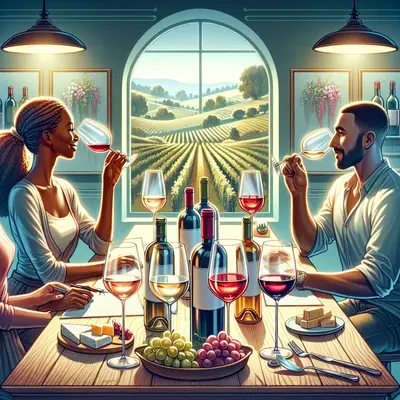
To create this, you don’t always need an official “behind-the-scenes” package. You need the right questions and a willingness to be guided. Request to taste the same wine in two different stem shapes, and ask for commentary on how hospitality staff are trained to think about glassware. If vineyard views are part of the appeal, ask to taste a wine while actually standing in its source block, even briefly. Many high-end properties will accommodate a short detour if it’s not disruptive to other guests.
Most importantly, signal that you’re interested in process, not just product: inquire about their equivalent of “service”—what does a crush day look like at 6 a.m.? How do they coordinate between vineyard team, cellar, and hospitality when a big weather system hits mid-harvest? You are no longer just a taster; you’re an engaged participant in the same high-wire act that the internet is currently dissecting in those kitchen memes—only now, your stage is a barrel room or a sunlit terrace.
Conclusion
As the world gleefully shares the unvarnished realities of professional kitchens, wine tasting is undergoing its own quiet evolution. The modern luxury experience is no longer defined solely by chandeliers, rare vintages, or soaring architecture. It is defined by the invisible choreography of service, the thoughtful dialogue between kitchen and cellar, and the willingness of a winery to let you glimpse the humanity behind the polish.
For the discerning traveler, this cultural moment is an invitation. The next time you step into a tasting room, bring the same discerning eye you’d use watching a chef work the line: notice the cadence, ask precise questions, reward authenticity. In doing so, you transform a pleasant afternoon of pours into something far rarer—a deeply considered encounter with the craft, culture, and people who make the world’s finest wines feel truly alive.
Key Takeaway
The most important thing to remember from this article is that this information can change how you think about Wine Tasting.