In today’s news cycle, a quietly outrageous story is making the rounds: parents “balked” after discovering their babysitter had eaten two slices of pizza while working, triggering a storm of online debate about boundaries, hospitality, and what counts as “too much.” It’s a small domestic moment that went instantly global—because it touches a nerve.
The same emotional fault lines surface every weekend in tasting rooms around the world. As wine tourism surges and premium wineries lean into ultra-curated hospitality, one awkward theme keeps reappearing on social media: Who owes whom what? How generous is generous enough? And at what point does “luxury” start to feel… a little petty?
For discerning wine travelers, the viral babysitter story is more than internet drama—it’s a sharp reminder that true luxury is defined less by marble counters and more by how people are treated on both sides of the bar. Below, we translate the subtext of that trending headline into five quietly powerful insights that can transform your next wine tasting from merely pleasant to profoundly elevated.
1. Hospitality Is the New Terroir
In the babysitter story, the outrage centered not on money, but on perceived overstepping—two slices of pizza became a referendum on respect. In the tasting room, this same tension shows up in how hosts pour, explain, and care for guests. The finest estates increasingly understand that hospitality, not just soil and climate, is their modern terroir.
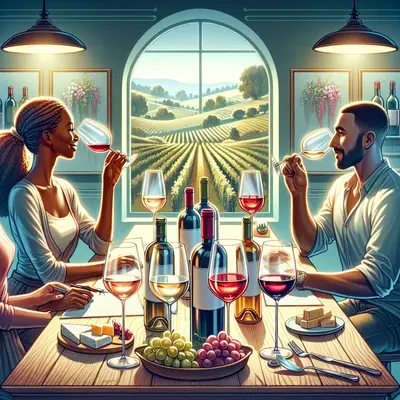
Premium wineries in Napa, Sonoma, the Willamette Valley, and across Europe are quietly retraining staff to think like high-end concierges rather than product presenters. Instead of rehearsed scripts, you’ll find calmly attentive hosts who remember your name, discreetly clock your preferences, and anticipate your questions before they appear. If you’re debating between two reserve pours, a truly world‑class host might surprise you with a side‑by‑side comparative taste—unannounced, unbilled, and unhurried.
For the serious wine traveler, this is the new benchmark: does the property feel generous even when nothing extra is owed? When you sense that every micro-interaction is framed by “of course” rather than “technically, no,” you’ve found a place where hospitality has been elevated to an essential expression of place.
2. The Etiquette Pivot: From Transactional to Relational
The uproar over a babysitter eating simple food exposed a broader anxiety: when every gesture is treated as a line item, grace disappears. In the tasting room, a similar shift is underway. The finest wineries are moving decisively away from a transactional mindset—“X ounces for Y dollars”—toward a relational etiquette that feels closer to a private club than a bar.
For guests, this means your own behavior should evolve too. The discreet, modern form of tasting room etiquette includes small but telling details:
- Arriving precisely on time for appointments in regions that now require them.
- Reading the tasting flight beforehand and asking one or two thoughtful questions rather than interrogating the host.
- Treating every staff member—from the parking attendant to the cellar guide—as an integral part of your experience, not background scenery.
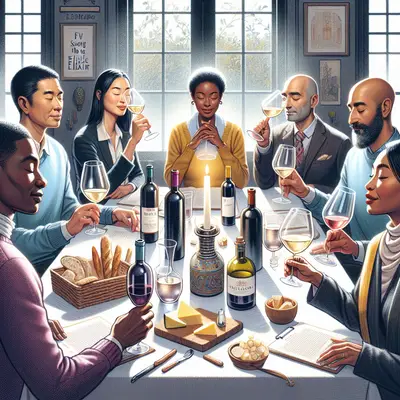
Most crucially, understand that lingering is a luxury, not a right. If a winery is fully booked, graciously accepting time limits—and still leaving a generous tip when service is heartfelt—signals that you “speak the language” of contemporary wine culture. Just as the online world rallied around the dignity of the babysitter, the new tastemakers quietly rally around guests who pair discernment with courtesy.
3. Tipping in the Tasting Room: The Unwritten Code
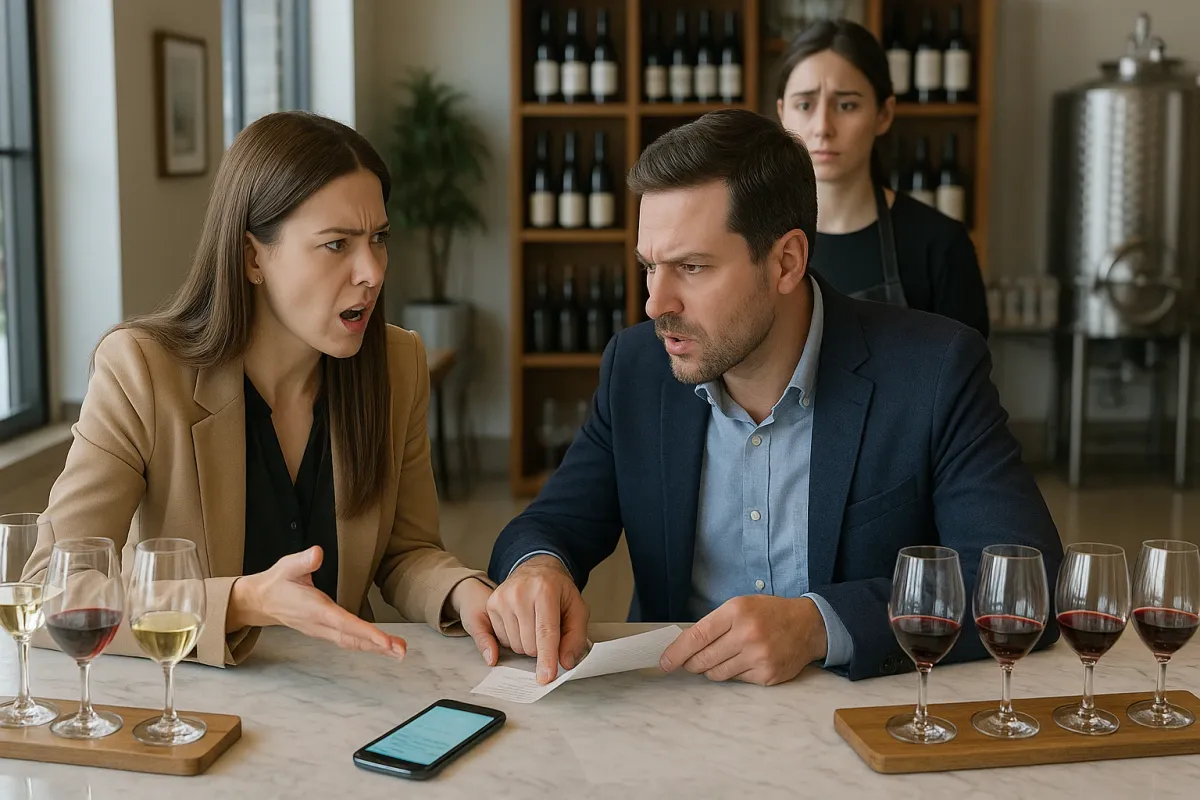
If two slices of pizza can ignite a global debate about compensation, imagine what happens when you translate that anxiety into a tasting flight involving limited‑production Pinot Noir or single-vineyard Cabernet. In North America especially, gratuity in tasting rooms has become a flashpoint topic—yet among seasoned wine travelers, an unwritten code has emerged.
Here is the refined, unspoken standard increasingly followed by those who understand the culture:
- When tastings are comped with purchase or waived for club members, many experienced guests still tip as if they had paid full price for the experience.
- If your host opens off-menu bottles, adjusts the flight to your taste, or spends significant time on cellar tours or food pairings, your gratuity should reflect that invisible vineyard of extra effort.
- For private, appointment-only tastings—especially where the winemaker or proprietor hosts you—tipping can feel more nuanced. In these situations, a generous bottle purchase is often the most elegant form of appreciation, occasionally complemented by a discreet cash tip to the supporting team.
The key insight is this: in the luxury wine world, generosity is noticed not because it is ostentatious, but because it is quietly appropriate. As with the viral babysitter story, the question is ultimately not “Was this required?” but “What does this say about how you value people’s time?”
4. How Social Media Is Rewriting the Guest–Host Contract
The babysitter headline went viral for a reason: one family’s private expectations were suddenly subject to public judgment. Wineries are acutely aware that the same thing happens every day on Instagram, TikTok, and TripAdvisor. A single awkward interaction over a rushed pour or a perceived slight can be screen‑captured, captioned, and amplified to an audience of millions.
In response, leading estates are reengineering the guest journey with “shareable grace” in mind. You’ll notice subtle details designed not just for beauty, but for narrative:
- A final, complimentary splash of something unexpected as you prepare to leave—perfect for that last golden-hour photo.
- Handwritten tasting notes or a small, elegantly branded token slipped into your bag.
- Staff trained to gracefully step out of the frame when they sense you’re capturing a moment, then step back in with context when you’re ready to engage again.
For the thoughtful guest, the reciprocal opportunity is significant. Posting not just the architecture and the glass, but also the human touches—the host who saved your favorite seat in the shade, the cellar hand who found a library vintage matching your anniversary year—signals to top wineries that you are attuned to the full symphony of their hospitality. In an age where every interaction can go viral, being the guest who amplifies elegance rather than grievance has become its own form of social currency.
5. The Quiet Luxury of Knowing When to Say No
One of the subtle tragedies of the babysitter story is how small the original “offense” was, and how disproportionate the reaction became. In refined wine travel, the inverse principle applies: your experience often becomes more luxurious when you decline what you don’t truly want.
High‑end tasting rooms are beginning to embrace an ethos of curated restraint, and the most seasoned guests are meeting them there:
- Saying no to a third back‑to‑back appointment so you can give one estate your full, unhurried attention.
- Opting out of an overambitious mixed flight in favor of a focused exploration—Riesling across vintages, or a vertical of a single estate Cabernet.
- Declining an offered taste when you know the style isn’t to your liking, and asking instead to revisit a wine that genuinely moved you.
Far from being rude, this level of self-knowledge and honesty allows the host to tailor the experience with precision. In the best tasting rooms of 2025, the most coveted luxury is no longer “more” but “exactly right.” By choosing intentionally, you signal to the winery that you are not there to consume indiscriminately; you are there to understand, appreciate, and remember.
Conclusion
Today’s viral babysitter headline may seem far removed from a hillside tasting in Burgundy or a glass of Cabernet at sunset in the Valle de Uco, yet the same cultural questions thread through both worlds: What does true generosity look like? How do we balance expectation and appreciation? Where is the line between luxury and pettiness?
As wine tourism matures and tasting rooms become ever more polished, the guests who will be welcomed back, poured the rarest bottles, and offered the most intimate experiences are not simply the biggest spenders. They are the ones who understand that hospitality is a two-way street; that tipping is not a tax but a language; that social media can elevate grace as easily as it amplifies grievance; and that the deepest luxury often lies in thoughtful restraint.
In an age obsessed with catching people out over “two slices of pizza,” the most sophisticated wine travelers are quietly choosing a different path—one where every visit becomes a conversation, every pour a gesture of mutual respect, and every shared bottle a small, exquisite act of trust.
Key Takeaway
The most important thing to remember from this article is that this information can change how you think about Wine Tasting.