In a week when social feeds are flooded with stories of “red flags” in relationships and the quiet damage of toxic dynamics, one viral piece stands out: Bored Panda’s feature on people confessing the warning signs they ignored before their relationships turned destructive. It’s not about wine at all—yet it is strikingly relevant to how discerning travelers now evaluate premium wineries. The same instincts that tell us when a relationship feels wrong are increasingly guiding how we choose where to taste, stay, and spend.
Today’s luxury wine travelers are not just chasing vintages; they’re reading the room. They’re alert to subtle cues of authenticity, respect, and care—just as they might be with a new partner. As emotional literacy becomes a public conversation, the world’s top estates, from Napa to Bordeaux and Margaret River, are quietly rethinking what “premium” really means. It is no longer enough to pour a rare library release; the entire experience must feel emotionally intelligent, deeply human, and quietly protective of the guest.
Below are five exclusive, insider-level ways this cultural shift—sparked by the language of “red flags” and toxic patterns—is reshaping the most refined winery experiences right now.
1. From Performative Luxury to Emotional Intelligence in the Tasting Room
The viral “red flag” confessions revolve around a consistent theme: something felt off, even when everything looked perfect on paper. Premium wineries have taken note. Around the world, high-end estates are moving beyond choreography and script, trading rehearsed tasting notes for staff trained in emotional nuance and social awareness.
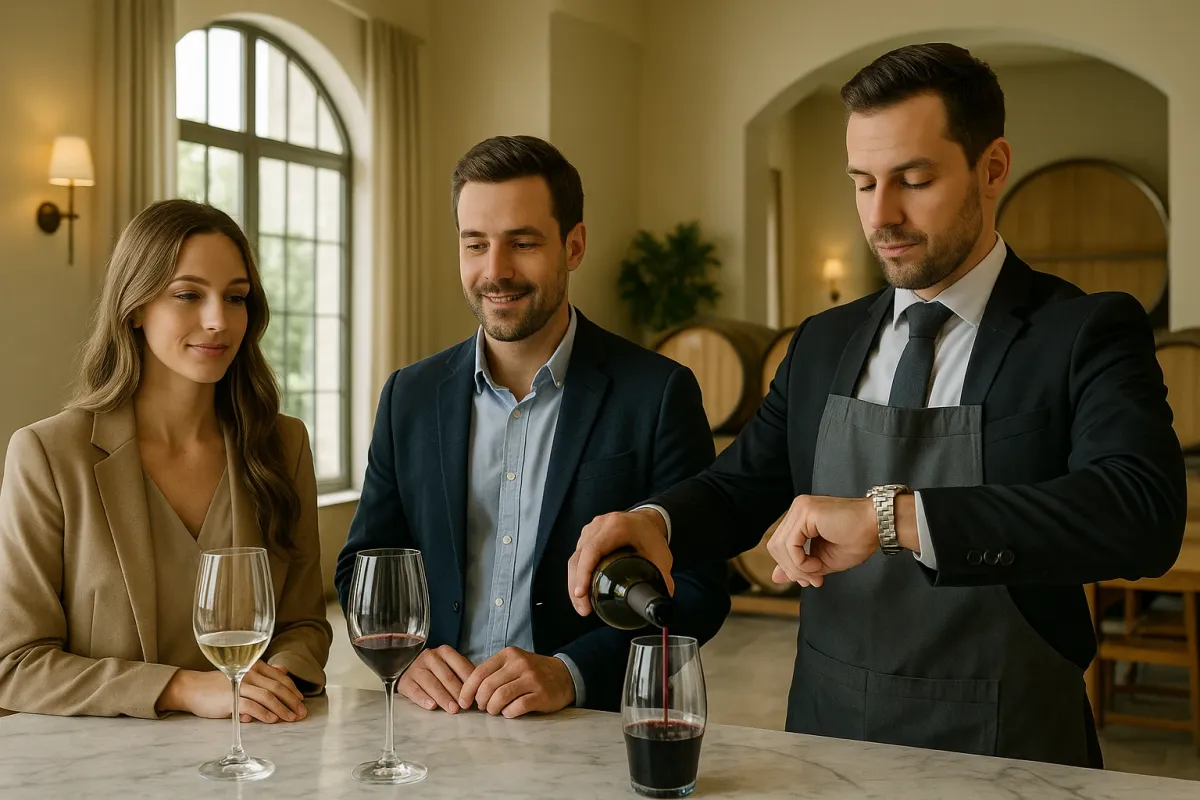
In Napa, for example, several cult-caliber producers now invest as heavily in hospitality coaching as they do in vineyard management. Teams are taught to read guest energy—whether a couple wants a quiet, almost meditative tasting, or a celebratory, conversation-rich experience—and to adjust pace, volume, and level of detail accordingly. In Bordeaux and Tuscany, elite châteaux have shifted away from “lecture-style” tours toward more dialog-driven encounters that prioritize listening over impressing. The new luxury is when you sense that your time, mood, and boundaries are quietly being protected. It’s the opposite of a pushy sales pitch: a refined, almost intuitive hosting style that makes guests feel seen instead of managed.
2. The End of the Hard Sell: Subtlety as the New Status Symbol
Many of the relationship stories making headlines right now share a familiar pattern: emotional pressure disguised as affection. In the wine world, the parallel is the high-pressure allocation pitch—the kind that leaves guests feeling cornered into purchasing cases they don’t truly want. This approach is rapidly becoming the ultimate luxury “red flag.”
Top-tier wineries are pivoting toward a more restrained, confidence-driven model. In regions like Sonoma, the Adelaide Hills, and the Douro, certain flagship estates are quietly abandoning aggressive club sign-ups in favor of invitation-only lists that develop organically over time. Instead of a barrage of offers, guests receive a single, beautifully composed follow-up note—often handwritten, sometimes paired with a limited opportunity to secure a particular parcel or library release. The message is clear: we’re here if you’d love to continue the relationship, but your no is as respected as your yes. In an era hyper-aware of coercion and subtle manipulation, this level of restraint reads as the ultimate sophistication.
3. Quiet Luxury in the Glass: How Premium Estates Are Editing Themselves
One of the most striking themes from the “toxic red flag” confessions is the danger of excess—too much drama, too much intensity, too much noise. Premium wineries are manifesting the opposite: a movement toward restraint and precision, both in style and portfolio.
Look closely at the current releases from leading houses in regions such as the Willamette Valley, Champagne, and Stellenbosch, and a shared trend emerges. Alcohol levels are easing downward; extraction is becoming more judicious; oak use is more architectural than ornamental. Many estates are also tightening their ranges—fewer SKUs, more focus—choosing to champion a handful of terroir expressions rather than flooding shelves with variations. For the serious enthusiast, this is where the real excitement lies: in verticals that show a clear, disciplined point of view, vintages that whisper instead of shout, and winemakers confident enough to let silence and subtlety do the talking.
4. Boundaries as a Luxury Amenity: Privacy, Space, and the New Guest Code
So many of this week’s trending stories around toxic dynamics come down to violated boundaries—messages at all hours, uninvited drop-ins, the inability to take a gentle no. Premium wineries are now positioning clear, elegant boundaries not as obstacles, but as a form of care. The estates at the apex of the luxury spectrum understand that privacy and psychological ease are as coveted as rare clones and old vines.
At appointment-only properties in regions like Napa’s eastern hillsides, Central Otago, and the right bank of Bordeaux, guest flow is engineered for spaciousness. Tastings are staggered so that groups rarely overlap. Parking, paths, and private lounges are designed to avoid the cattle-drive effect that can cheapen an otherwise elevated experience. Increasingly, wineries are publishing “guest codes” that quietly protect everyone involved: clear expectations around punctuality, social media photography, drone usage, and even scent use indoors to avoid clashing with aromatics in the glass. Far from feeling restrictive, these guidelines function like the graceful boundaries of a well-run relationship—they allow trust, depth, and relaxation to flourish.
5. Authentic Storytelling Over Image Crafting: When the Vineyard Stops Pretending
Another through-line in the viral “red flag” narratives is the discomfort of realizing someone’s story doesn’t match their actions. The same intuition is now being applied to luxury wine brands. Consumers—especially those active on social platforms where the red-flag discourse thrives—are awake to contrived narratives. They are searching for congruence: between what a winery claims and what it actually practices.
Premium estates responding to this shift are pulling back the curtain in measured, thoughtful ways. Rather than airbrushed origin myths, they offer grounded, traceable detail: specific vineyard parcels, named growers and long-term employees, transparent farming choices, and candid discussion of challenging vintages. For instance, several flagship producers in Burgundy and the Mosel have recently begun sharing more granular data about their plots and climate adaptations, not as a marketing stunt but as an invitation into the real work behind the wines. On social channels, behind-the-scenes glimpses are no longer about glamour alone—they capture early morning pruning, mid-harvest fatigue, and the quiet rituals of cellar life. For the serious enthusiast, this integrity is the opposite of a red flag; it is the greenest of lights.
Conclusion
The cultural conversation around “red flags” and toxic patterns, brought into sharp focus by this week’s widely shared relationship confessions, may seem distant from the world of grand cru and library Cabernets. Yet its influence is unmistakable. As travelers become more attuned to emotional climate—who listens, who pressures, who respects a boundary—the definition of a truly premium winery is expanding.
Today, the most desirable estates offer more than extraordinary terroir and remarkable bottles. They offer an experience that feels, in every subtle detail, like a healthy relationship: attentive but not clinging, confident but never domineering, generous yet discerning. For wine lovers planning their next journey, this is the new lens: don’t just ask what is in the glass; ask how you feel in the room. The finest wineries in the world already know the answer—and they are quietly, elegantly, designing every moment to honor it.
Key Takeaway
The most important thing to remember from this article is that this information can change how you think about Premium Wineries.