There is a particular moment in a vineyard when the landscape seems to inhale—a stillness between light and shadow, ripeness and restraint. This is where discerning wine travelers find their greatest pleasures: not in the obvious spectacle, but in the precise details that separate a visit from an experience. At Wine Tour Adventures, we believe vineyard time should feel curated rather than consumed—measured in light, texture, and conversations rather than minutes on a bus timetable.
Below, we explore how to shape vineyard visits with quiet intention, and share five exclusive, insider-level insights that devoted enthusiasts will recognize as the difference between merely touring and truly inhabiting a place of wine.
Designing the Day Around the Vineyard’s Natural Rhythm
Vineyards are living systems, and they keep their own rhythm—one that rarely aligns with conventional tourist hours. Understanding and respecting this cadence is the first step to experiencing a property at its most authentic. Early mornings often reveal the vineyard at its most honest: dew clinging to leaves, soil still cool and fragrant, and the light low enough to throw structure and topology into sharp relief. By late afternoon, as shadows lengthen, the vineyard softens; tannic edges in both light and air grow rounder, and the mood shifts toward contemplation.
Rather than stacking multiple properties into a single day, plan one or two visits that allow for lingering—a walk between rows, a pause at a vantage point that reveals the vineyard’s orientation, or time to revisit a wine after it has warmed slightly in the glass. Consider aligning your arrival with the estate’s work cycles: pruning season offers a completely different emotional register than harvest, and winter’s bare canes reveal the stark geometry that green leaves conceal. The most rewarding experiences emerge when you allow the landscape to dictate the tempo.
Reading the Vineyard: An Enthusiast’s Fieldcraft
For the passionate wine traveler, the vineyard itself is not a backdrop; it is the primary text. Learning to “read” it transforms every visit into a masterclass in terroir. Begin with slope and aspect: note which parcels lean into the morning sun versus those exposed to the harsher afternoon light. Observe where air naturally drains from the site—cooler pockets at the bottom of a slope can mean slower ripening and lifted acidity, while well-ventilated hilltops may yield grapes with greater aromatic precision.
Soil is another quiet narrator. Even without digging, subtle color shifts in the surface—paler dust suggesting limestone, rust tones suggesting iron-rich clay, stones glinting with quartz or schist—hint at the structural backbone of the wines. Pay attention to planting density and canopy management: tight rows with controlled foliage often indicate a focus on concentration and balance. The spacing of vines, the decision to grass between rows or keep soil bare, the presence of cover crops—each has implications for water stress, root depth, and, ultimately, flavor. Arrive as an observer, and the vineyard will reveal a great deal before a single bottle is opened.
Five Exclusive Insights for the Devoted Wine Enthusiast
Discerning travelers often look for the details invisible to casual visitors. These five refined insights can quietly elevate your next vineyard experience:
Request a “Comparative Parcels” Tasting Instead of a Standard Flight
Where possible, ask to taste wines that originate from different parcels or blocks within the same estate, even if they are usually blended. A side-by-side of two expressions from differing slopes or soil types—say, a higher-elevation, wind-exposed block versus a sheltered, lower-lying one—offers a vivid education in micro-terroir. These internal comparisons often reveal the estate’s true intellectual depth.
Seek Out the “In-Between” Vintages
Iconic years receive the headlines, but serious enthusiasts understand that so-called “classic” or “challenging” vintages can be more revealing. During your visit, ask to taste a wine from a year the estate considers “elegant,” “restrained,” or “for purists.” These often show the winemaker’s philosophy most transparently and reward close attention with nuance rather than spectacle.
Stand Where the Winemaker Makes Their Hardest Decisions
Beyond the picture-perfect terrace, ask if you may briefly visit the specific vineyard block or corner where picking decisions are historically most debated. This is often a marginal area for ripeness, exposure, or disease pressure. Standing there while tasting a corresponding wine—if available—grounds abstract talk of “precision” and “balance” in something tangible and emotionally resonant.
Notice the House’s Signature Across Varieties and Styles
When a property produces multiple varieties or styles (still, sparkling, or fortified), taste with an eye toward the estate’s through-line rather than individual wines in isolation. Is there a consistent preference for tension and acidity, or for texture and breadth? Do tannins tend to be filigreed or architectural? Recognizing this stylistic continuity gives you a deeper understanding of the estate than any single bottle could.
Ask to Revisit a Wine at the End of the Tasting
Time in the glass is an underrated teacher. Quietly set aside a small amount of one wine—the one that puzzled you or felt most restrained—and return to it after you have tasted through the lineup. Note how oxygen and temperature have altered its expression. This simple act mimics what happens at the table over a meal and invites a more meditative appreciation of the wine’s evolution.
Elevating the Tasting: Texture, Temperature, and Silence
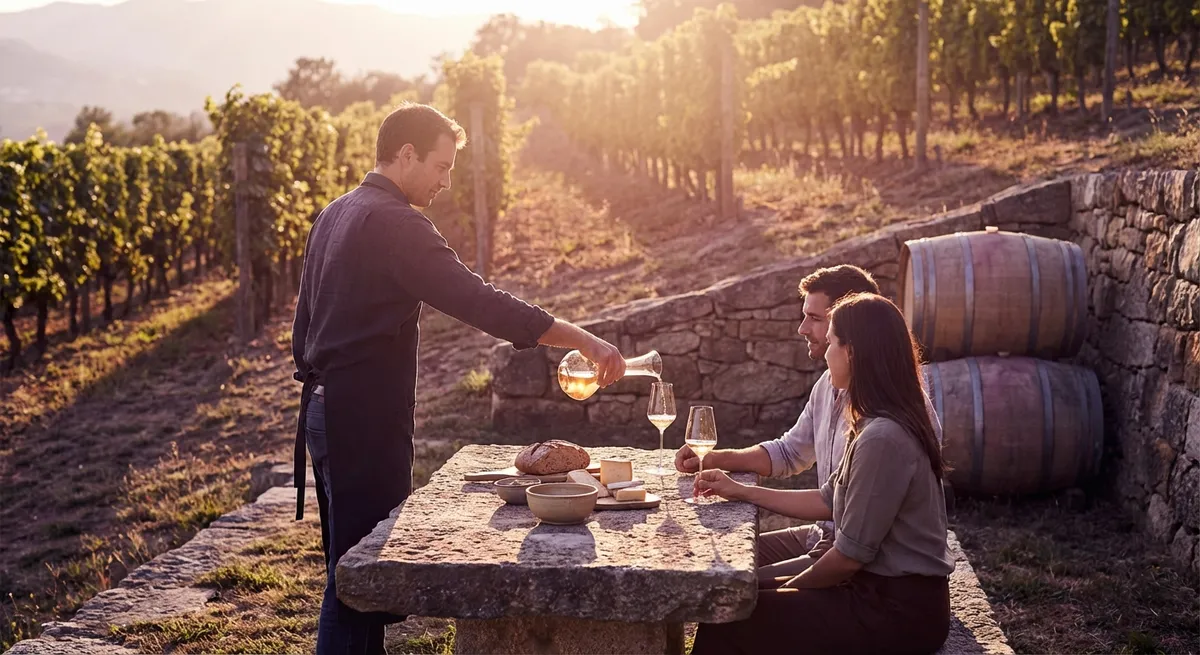
A premium vineyard visit is measured not only by what you taste but also by how you taste. Begin with the glassware: fine, thin-lipped stems allow the wine’s aromatic and textural profile to articulate itself with greater clarity. Pay close attention to serving temperature; many whites are poured too cold, constraining their aromatic range, while reds are often served too warm, accentuating alcohol and muting structure. A refined tasting gently coaxes each wine into its ideal window—cool enough to remain focused, yet warm enough to reveal its full dimension.
Consider your own pacing. Resist the temptation to speak through every sip; instead, allow moments of deliberate silence. The absence of commentary is not a gap but an instrument—space in which nose, palate, and finish can fully register. When you do speak, focus less on naming flavors and more on architecture: tension, breadth, texture, and the way the wine moves across the palate. Detailed, respectful questions about élevage choices, picking windows, or blending philosophy often open more revealing conversations than broad superlatives. In the most rewarding tastings, the dialogue feels less like a sales script and more like a shared inquiry.
From Visit to Memory: Capturing the Essence Without Distraction
In an era saturated with images, the most enduring vineyard memories often feel almost analogue. Rather than documenting everything, select a few anchor points to capture with intention: the view that best expresses the estate’s topography, the texture of the soil in your palm, or a quietly lit corner of the cellar. Let your phone return to your pocket for the rest. Sensory notes—how the morning air smelled, the way the light fell on a particular row, the temperature shift as you descended into the barrel room—are what lend depth to your recollection later.
After your visit, consider revisiting the estate’s wines at home with the context now etched into your memory. That same bottle you tasted among the vines will speak differently at your table; you will recognize the slope in the line of its acidity, the soil in the shape of its finish. For enthusiasts, the true measure of a vineyard visit is not the number of wines sampled, but how deeply one or two of them remain with you—woven into a specific place, a specific light, and a specific moment in time.
Conclusion
A vineyard visit, at its highest expression, is not entertainment but immersion: a carefully observed encounter with land, craft, and time. By tuning yourself to the vineyard’s rhythm, reading its subtleties, and approaching tastings with deliberate curiosity, you transform a routine tour into a layered, enduring experience. The five insights shared here are quiet tools rather than rules—ways of noticing that reward patience, refine your palate, and deepen your connection to the places where great wines are born. In the end, the vineyard does more than grow grapes; it teaches anyone willing to linger how to look, how to listen, and how to taste with intention.
Sources
- University of California, Davis – Terroir and Vineyard Site Selection - Explores how site characteristics such as soil, climate, and topography shape wine style and quality
- Cornell University – Canopy Management in Vineyards - Discusses the impact of canopy decisions on fruit ripening, balance, and wine profile
- Wine Institute – California Winegrowing Overview - Provides context on vineyard regions, climates, and practices that influence visiting experiences
- Decanter – Understanding Vintage Variation - Examines how differing vintages affect wine style and why enthusiasts seek out “off” years
- Wine Spectator – Ideal Serving Temperatures for Wine - Details the temperature ranges that best reveal wine’s aromas, structure, and texture
Key Takeaway
The most important thing to remember from this article is that this information can change how you think about Vineyard Visits.