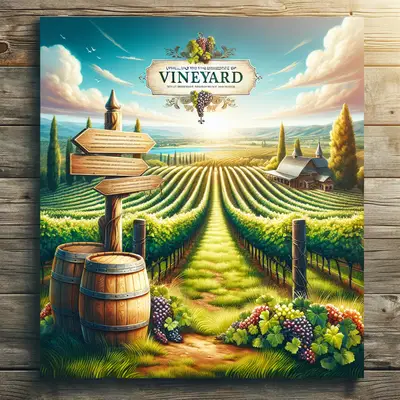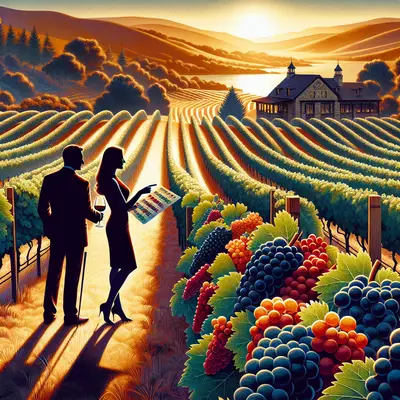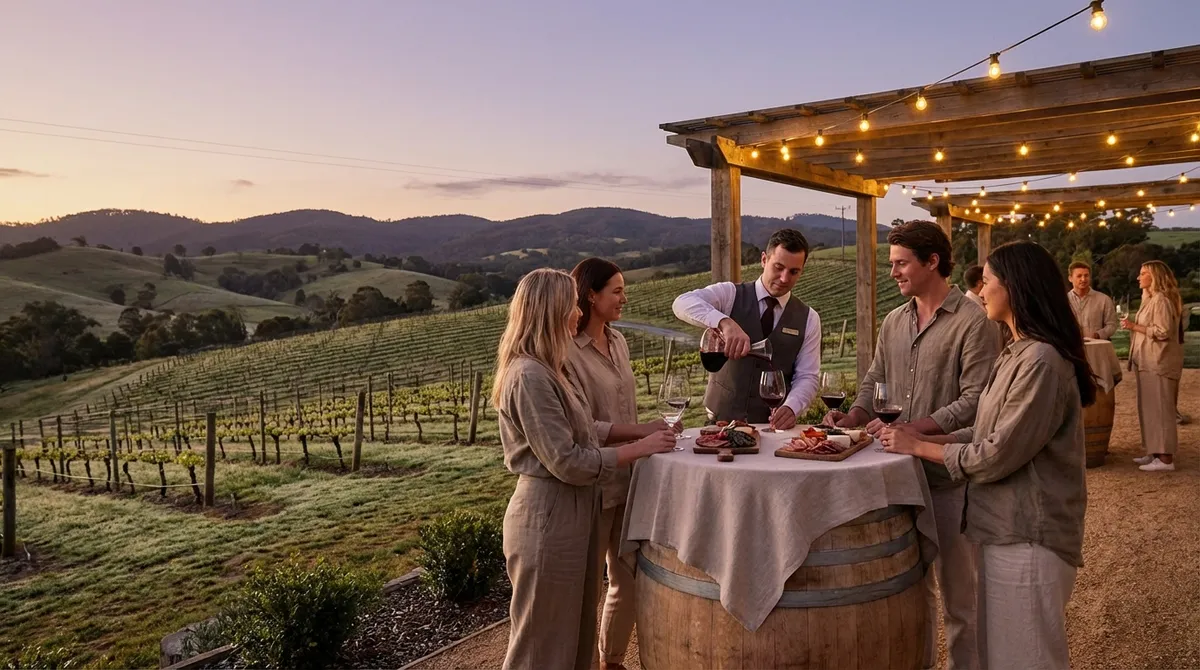
There is a moment, standing among the rows just after dawn, when a vineyard stops being a postcard and becomes an experience. The air changes first—cool, mineral, faintly floral—followed by the quiet rustle of leaves and the soft crunch of soil underfoot. For the discerning wine traveler, a vineyard visit is not a backdrop to a tasting; it is the true stage on which wine’s character is composed. This is where climate, soil, human judgment, and time weave themselves into the glass. For those willing to look closer, the vineyard reveals far more than a scenic view—and rewards the attentive guest with rare, memorable nuance.
Discovering a Vineyard’s “Accent”: Reading the Landscape
Every vineyard speaks with an accent of its own, and learning to hear it transforms a casual stroll into a study in character. Start with the slope: are you looking down over a valley, on a gentle incline, or standing on a steep hillside that catches every shard of sunlight? The angle and direction of the rows quietly dictate ripening, drainage, and even the style of wine you will eventually taste.
Underfoot, notice what your shoes tell you. Do you feel loose gravel shifting? Is the earth compact, clay-heavy, or chalky and powder-fine? These clues speak to water retention, root depth, and ultimately to the texture and structure of the finished wine. A vineyard on limestone often yields wines with a poised, vertical tension; sandier soils frequently offer a softer, more perfumed expression.
Look at what grows between the vines: wild grasses, carefully chosen cover crops, flowering plants for biodiversity. These are not ornamental; they influence soil health, water management, and pest balance. A well-managed under-vine strip, neither sterile nor overgrown, reveals a thoughtful viticultural philosophy. Once you start reading these details, a vineyard visit becomes an exercise in quiet observation—and the wines, when you finally taste them, feel far less mysterious.
Time of Day as a Lens: When to Walk the Vines
The same vineyard can present three entirely different personalities in a single day. Choosing your moment becomes an art form that can deepen your understanding of both place and wine.
In the early morning, the vineyard is contemplative. Temperatures are cooler, aromas more defined: damp earth, crushed leaves, sometimes a whisper of wild herbs. This is when you can feel the freshness that winemakers describe when they aim for “tension” and “energy” in their wines. Light is gentle, shadows are long, and the experience is almost architectural—you see the structure of the rows and trellising with unusual clarity.
By midday, the vineyard is assertive. Heat radiates from the soil and stones, and you suddenly understand why ripeness arrives when it does. This is the right moment to grasp the vineyard’s power: how exposed it is, where breezes flow, how the vines handle stress. Taste a wine here and you may better appreciate the ripe fruit and generosity that warmth can confer.
As evening falls, everything softens. Colors deepen, the air cools, and wind often settles. This is the most romantic moment to linger in the vines, but it is also instructive: cooler temperatures and gentler light echo the way cellars protect wines from extremes. If you can, taste the estate’s wines at two different times in the same day. You will be surprised how your perception shifts in tandem with the vineyard’s own changing mood.
The Vineyard Behind the Label: Grapes, Clones, and Choices
To a casual eye, a block of vines looks uniform. To a serious wine enthusiast, it is a mosaic of intention. When you walk a vineyard, seek out not just what grape is grown, but how precisely it is expressed.
Grape variety is only the beginning. Ask about clones—the distinct genetic selections of a single variety. A Pinot Noir vineyard might contain several clones planted side by side, each chosen for different qualities: one for perfumed aromatics, another for structure, another for color and depth. Walking those rows knowing that each section will contribute a specific voice to the final blend adds an exhilarating layer of insight.
Notice planting density and vine spacing. Vines planted closer together must compete, driving roots deeper in search of water and nutrients. This competition often yields wines of greater concentration and complexity. Conversely, wider spacing in warmer regions may protect vines from excessive stress and help maintain balance.
Finally, examine the trellising and canopy. Are the vines trained low to the ground, hugging the warmth of the soil, or raised to capture breezes? Is the foliage neatly managed, allowing speckled sun on the clusters, or more shaded to protect delicate skins in intense climates? These details are not mere aesthetics; they are decisions that shape freshness, ripeness, and even the phenolic texture of the wine. When you know what you’re seeing, the label on the bottle becomes a story rather than a set of technical notes.
Five Exclusive Insights for the Attentive Vineyard Guest
For those seeking more than a pleasant walk and a photo, these five refined insights can quietly transform your next vineyard visit into a masterclass:
Watch the Hands, Not Just the Vines
Pay attention to the pace and focus of the vineyard team. Are pruning cuts clean and deliberate? Are workers adjusting canopy leaf by leaf, or moving rapidly down the rows? Precision here often correlates with precision in the glass. A vineyard where small tasks are handled with calm, methodical attention is usually a place where detail matters all the way to bottling.
Listen for How the Winemaker Speaks About Imperfection
When you meet the viticulturist or winemaker, notice how they describe difficult vintages, frost events, or disease pressure. The most serious estates speak frankly about challenges and their responses—green harvesting, early picking, stricter selection—rather than glossing over them. Candor about imperfect years is a hallmark of a producer who values integrity over marketing.
Study the Edges of the Vineyard
Some of the most revealing details live at the boundaries: a windbreak of trees, a stone wall, a shift in soil color at the far end of a block. These edges often mark subtle changes in microclimate or terroir. If the winery bottles single-parcel or “cuvée parcellaire” wines, ask to see those specific sections; understanding their placement gives depth to their prestige.
Observe How the Estate Treats Non-Guest Spaces
Premium estates are rarely selective about where they show their standards. Glance at the equipment yard, the compost area, the lesser-known plots, even back-of-house workspaces. A quiet, orderly ethos in these unseen corners typically mirrors the estate’s approach in the vineyard and cellar. True quality is rarely compartmentalized.
Taste the Vineyard—Literally and Figuratively
If the season allows, taste a single grape from different sections of the same vineyard: higher up the slope vs. lower down, near the center vs. the edge. Pay attention to differences in acidity, sweetness, and skin thickness. Then, when you taste the finished wines, ask which plots contributed to which cuvées. Linking the physical experience of the grape to the final blend is one of the most illuminating—and exclusive—ways to understand terroir.
Crafting a Visit That Honors the Vineyard
A vineyard of true distinction deserves a visit that is as considered as the wines it produces. This begins before you arrive. Arrange appointments in advance, especially at smaller, family-run estates where the person greeting you might also be the one pruning, blending, or walking the rows at dawn. Communicate that your interest extends beyond the tasting room; many serious producers respond warmly to guests who value the work in the vines.
Dress with the vineyard in mind: elegant but practical shoes suitable for uneven ground, layers for changing temperatures, perhaps a notebook for impressions that go beyond flavor descriptors. A premium visit is not defined by luxury trappings alone; it is marked by how fully you are able to engage with what the estate chooses to share.
Once there, take your time. Ask specific, respectful questions: why certain parcels were planted when they were; how long decisions have remained consistent; what the estate has chosen not to do, as much as what it has embraced. Allow silences. Some of the most memorable insights surface in the quiet moment between rows, when the host realizes you are genuinely paying attention.
Finally, carry the vineyard with you into the glass. When you later open a bottle from that estate—months or years after your visit—pause to remember the texture of the soil, the line of the horizon, the feel of the wind. A truly elevated vineyard visit does not end when you leave; it continues every time you taste, adding layers of memory to layers of flavor.
Conclusion
The finest vineyard experiences are not defined by how many wines you taste or how many estates you visit, but by the depth with which you encounter each place. To walk the rows with intention, to recognize the quiet choreography of soil, climate, and human craft, is to step inside the true architecture of a wine’s identity. For those willing to observe closely and ask thoughtfully, a vineyard visit becomes something rarer than a pleasant outing: it becomes a conversation with a landscape, one that continues long after the last glass is poured.
Sources
- Wine Institute – Sustainable Winegrowing Practices - Overview of viticultural practices and sustainability initiatives in vineyards
- University of California, Davis – Viticulture and Enology - Educational resources on grape growing, canopy management, and vineyard design
- Cornell College of Agriculture and Life Sciences – Wine and Grapes - Research-based information on grape varieties, clones, and vineyard management in cool climates
- Burgundy Wine Board (BIVB) – Terroir and Climats - Detailed exploration of how small-scale vineyard differences influence wine character
- California Department of Food and Agriculture – Viticulture Overview - Background on grapevine cultivation and regulatory context in a major winegrowing region
Key Takeaway
The most important thing to remember from this article is that this information can change how you think about Vineyard Visits.