There is a quiet movement unfolding among discerning wine travelers: a desire to pair great vineyards not just with gastronomy, but with truly extraordinary landscapes. As competitions like Nature Photographer of the Year 2025 flood social media with ethereal images of mist-wrapped forests, mirror-still lakes, and raw coastal cliffs, wine lovers are beginning to ask a new question: Which wine regions feel as breathtaking as these award‑winning photographs look?
This year’s winning images have become more than visual inspiration—they are shaping how sophisticated travelers choose their next vineyard escape. From dramatically terraced hillsides that look like they were composed by a landscape photographer, to coastal vineyards where ocean fog acts like a soft-focus filter, the line between “wine trip” and “picture-perfect pilgrimage” has never been thinner.
Below, we explore five exclusive insights for planning vineyard visits that harmonize world-class wines with nature photography–worthy scenery—allowing you to drink in the landscape as deeply as the glass in your hand.
1. Seek “Photographer’s Light” Vineyards, Not Just Famous Labels
The most striking images from Nature Photographer of the Year 2025 share a common element: light. Side-lit peaks at dawn, low-angled sun catching the edge of a wing, mist ignited by first light. The same principle applies to wine country—certain vineyards are sculpted by light in a way that elevates both the view and the vines.
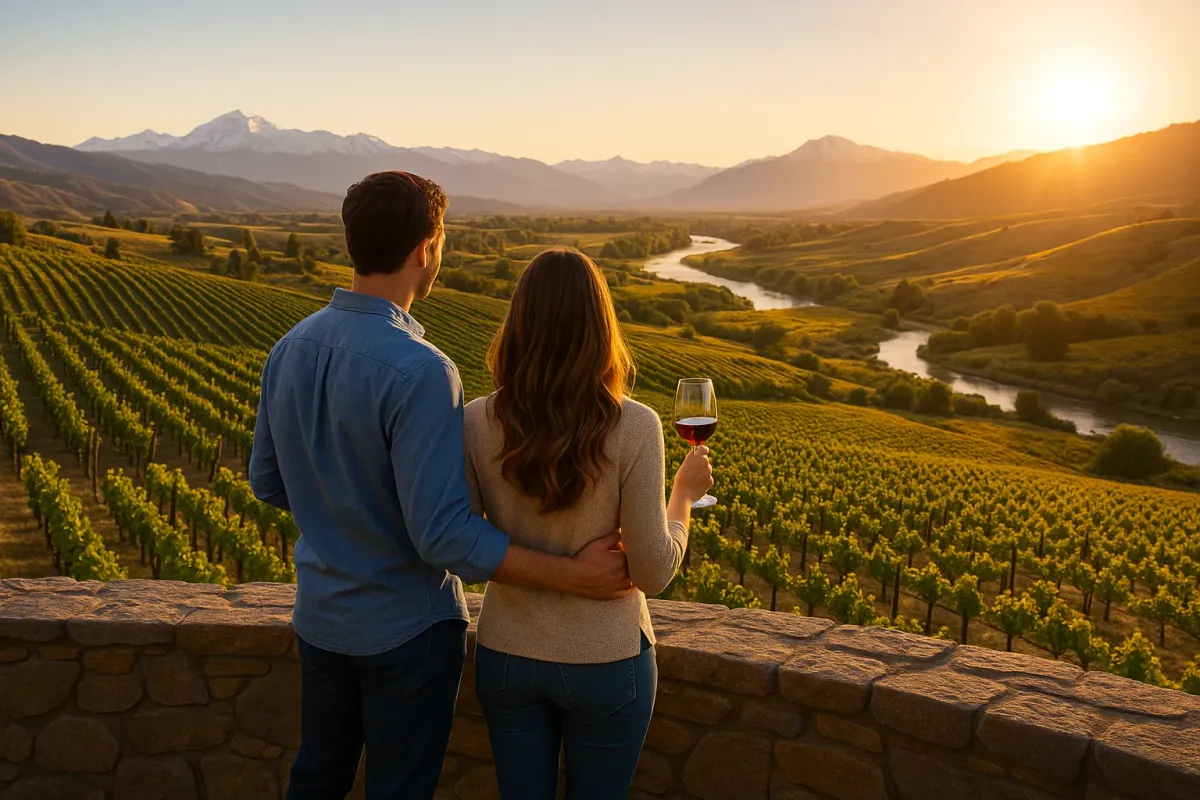
When planning your next vineyard visit, look beyond the appellation’s prestige and study its light. In regions like Sonoma Coast, Etna, or Mosel, cool mornings, long shadows, and rolling fog create the kind of depth a photographer craves and a vine loves. Request morning or golden-hour tastings where possible; some estates now offer early access or late-afternoon appointments specifically for guests who want to wander the vines with a camera in hand.
Ask your host which parcels are most visually distinctive—an old-vine block on a steep gradient, a parcel perched above a river, or a single row that faces the sunrise. Often these are the plots that also yield the estate’s most nuanced wines. A premium experience today is not just a beautifully set tasting room, but a glass in hand at the exact point where light, landscape, and terroir converge.
2. Pair Coastal Wines With Elemental Weather, Not Just Ocean Views
Many of this year’s award-winning nature photographs feature coastlines where weather, water, and rock collide in cinematic fashion. The most compelling coastal wine regions offer a similar energy—if you know when to go. Too often, visitors schedule only blue-sky afternoons, when the sea is picturesque but static. The true magic happens at the edges of the day, or even the edges of the season.
Consider timing a visit to Portugal’s Atlantic-facing vineyards, California’s Santa Barbara coastline, or New Zealand’s Marlborough to coincide with the transition months—late spring or early autumn—when marine layers drift inland and winds sculpt the vines. These are the same conditions that give coastal wines their tension, salinity, and lifted aromatics.
Book a tasting that includes vineyard access when fog or wind is likely, then transition indoors for a seated, fireside flight. The juxtaposition is exquisite: feeling the raw elements that stress the vines, then tracing that energy in a glass of taut Albariño or ocean-tinged Chardonnay. It’s a level of terroir immersion that feels less like tourism and more like quietly stepping inside the landscape itself.
3. Choose Terraced and Mountain Vineyards for Cinematic Perspectives
The Nature Photographer of the Year 2025 galleries are filled with vertiginous compositions—cliffs, ridgelines, and steep ascents that lend drama and scale. In wine, terraced and mountain vineyards offer the same visual thrill. They also tend to host some of the most focused, mineral-driven wines, making them ideal destinations for travelers who prize both palate and perspective.
Regions such as Valtellina, Priorat, the Douro Valley, or Switzerland’s Lavaux are natural choices. Instead of settling for a simple tasting room visit, inquire about vertical itineraries: vineyard walks that climb through different elevations, or private drives that stop at several lookout points along the slope. Some estates now coordinate with local photographers or guides who can help guests frame the valley and terraces the way a professional might—aligning leading lines of stone walls, river curves, and rows of vines.
From a wine standpoint, mountain and terraced sites allow you to experience subtle shifts in exposure and soil composition with each glass. Taste the lower-elevation block’s generous fruit, then its higher-altitude counterpart’s nervy precision, all while standing in the very amphitheater that makes such variation possible. The result is a visit that feels less like a standard tasting and more like inhabiting a living landscape photograph.
4. Align Harvest Visits With Seasonal Color and Textural Detail
The most captivating images in this year’s nature photography awards are as much about texture and seasonal detail as subject—lichen on bark, frost on reeds, the burnished palette of late autumn hills. For vineyard visits, timing your trip around the most texturally expressive moments of the growing season yields both a richer visual experience and a deeper appreciation of the work in the glass.
Early spring reveals skeletal vine architecture, freshly pruned and stark against soft, emerging green—perfect for travelers who appreciate structure, minimalism, and the quiet before the season’s rush. Late summer and early autumn, by contrast, offer the saturated colors and tactile abundance that mirror the images now circulating widely online: heavy clusters, sun-warmed leaves, dusty tracks between rows.
If you’re visiting during harvest, look for estates that allow behind-the-scenes glimpses without descending into chaos—viewing platforms over sorting tables, glass-walled fermentation rooms, or curated “harvest walks” led by the winemaker between picks. These moments, rich with movement, color, and the scent of crushed fruit, translate strikingly well on camera and lend your social posts a sense of immediacy that staged photos rarely achieve. More importantly, they imprint the taste of the wine with a memory of real work, real weather, real time.
5. Curate “Photographic Flights” That Mirror the Landscape in Your Glass
The winning portfolios from Nature Photographer of the Year 2025 are carefully sequenced; each image builds on the last to tell a story of place, mood, and perspective. Your vineyard visits can—and increasingly should—follow a similarly curated arc, especially if you plan to share your journey with a visually sophisticated audience.
When booking premium tastings, request a progression that echoes the surrounding landscape: start with a bright, high-acid white while overlooking the coolest, windiest parcel; move to a textured, mid-slope wine framed by terraces or stone outcroppings; finish with a darker, more contemplative red in a quieter corner of the estate, perhaps as the light fades and the colors deepen. Some forward-thinking wineries already design “sense of place” experiences that pair each wine with a different vantage point or micro-site.
Capture each stage with intention: the wide landscape shot, the detail of soil in your hand, the interplay of glass and horizon. Shared as a series, your images and impressions can echo the narrative rhythm of a professional photo essay—except in this story, the viewer can almost taste the atmosphere you’ve documented. This is the new luxury in wine travel: not just exclusive access or rare bottles, but an experience so coherent and beautifully framed that it transcends the typical “vineyard selfie” and becomes something quietly artful.
Conclusion
As global attention turns to the Nature Photographer of the Year 2025 winners and similar competitions, the standard for what counts as a “beautiful” trip is shifting. Today’s most compelling vineyard visits don’t merely offer pleasant scenery; they deliver landscapes worthy of a prize-winning frame, and wines that belong in the same conversation.
By seeking vineyards defined by light, elemental weather, dramatic elevation, seasonal texture, and carefully curated tasting arcs, you craft a journey that feels as meticulously composed as the images currently captivating the world. The reward is twofold: a cellar that tells the story of place with new clarity, and a gallery of moments—on your camera, and in your memory—that linger long after the last glass is poured.
Key Takeaway
The most important thing to remember from this article is that this information can change how you think about Vineyard Visits.