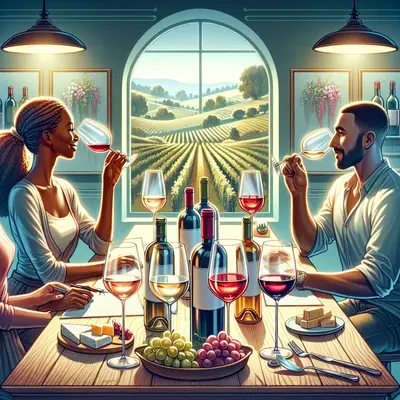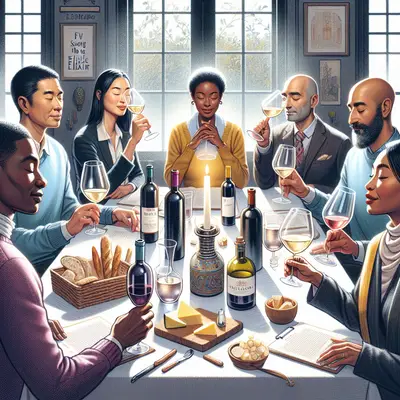
There is a moment, just before the first sip, when a serious wine becomes something more than a beverage: it becomes a quiet conversation between place, time, and your own senses. For many travelers, that moment happens on a hillside terrace, in the cool hush of a barrel cave, or at an elegantly set tasting room table. Yet the real magic of wine isn’t only in the bottle; it lies in how you meet it. These five exclusive insights are designed for enthusiasts who already love wine—and are ready to experience it with a higher level of precision, calm, and intent.
Insight 1: Treat the First Pour as a Map, Not a Verdict
Most tasters rush to judgment on the first sip, assigning quick labels—“fruity,” “oaky,” “too tannic.” A more refined approach is to see that initial pour as a map rather than a conclusion.
Begin by examining structure before flavor. Note the wine’s weight on your tongue—is it lithe and linear, or broad and expansive? Pay attention to the “architecture” of acidity and tannin: does the acidity lift the wine from mid-palate to finish, or hover delicately at the edges? Do tannins feel like fine chalk, loose-knit velvet, or firm tea leaves?
Only after you’ve traced this structure should you return to aromatics and flavors. You will find that descriptors like blackcurrant, blood orange, or dried rose petals become less important than the way those notes are arranged—whether they are tightly coiled, layered, or airy and transparent. When you treat the first pour as a map, subsequent sips become a guided exploration instead of a snap judgment, and your tasting deepens naturally over the course of the glass.
Insight 2: Study the Finish as Its Own Experience
For many drinkers, the finish is a fleeting afterthought; for seasoned enthusiasts, it is where a wine’s most subtle character reveals itself. The length, clarity, and evolution of the finish distinguish a pleasant wine from a truly memorable one.
After swallowing (or spitting, in a professional setting), count silently: how many seconds do distinct flavors remain? Not just a generic “wine” impression, but specific elements—citrus oils, dark cocoa, saline minerality, or delicate herbal tones. A long finish is not only about time; it’s about persistence and progression. Elite wines often evolve as they fade, moving, for example, from ripe red fruits to baking spices, then to a whisper of cedar or stone.
Observe whether the finish invites another sip through freshness, or insists on contemplation through depth. Some white wines, driven by vibrant acidity and mineral tension, leave a crystalline, almost architectural impression at the end. Many great reds finish with a tactile interplay of tannin and savoriness that feels more like texture than flavor. Training your attention on the finish shifts your focus from “Do I like this?” to “How does this complete its story?”
Insight 3: Listen to Temperature and Glassware as Quiet Sculptors
Temperature and glassware are often mentioned in passing, but for the devoted enthusiast they become tools for sculpting the tasting experience. They can sharpen focus, soften edges, or reveal otherwise hidden contours in the wine.
Cool temperatures emphasize structure and freshness while muting aromatic generosity; warmer temperatures amplify aromatics but can exaggerate alcohol or sweetness. For many still whites, beginning at around 10–12°C (50–54°F) and allowing the wine to warm slowly in the glass unveils layers in real time. Fine reds often show best a touch cooler than typical room temperature, around 16–18°C (61–64°F), revealing purity and precision rather than heaviness.
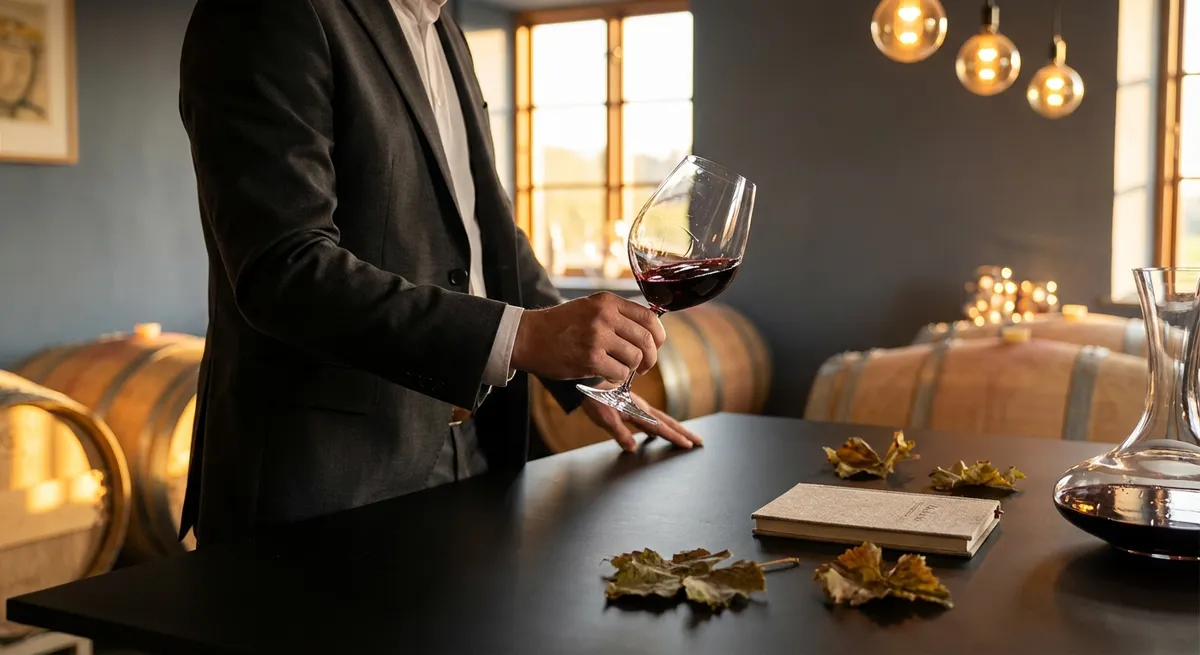
Glassware, meanwhile, is about proportion: bowl width, rim diameter, and taper all direct aromas differently. A tulip-shaped glass concentrates the bouquet of aromatic whites; a gently curved, medium-bowled stem can showcase the nuance of Pinot Noir or Nebbiolo without overwhelming the nose. During a private tasting or winery visit, consider asking the team to pour the same wine into two different stems. The contrast can be quietly revelatory—and once you’ve felt it, you will never see glassware as a mere accessory again.
Insight 4: Observe How the Wine Changes With Air and Context
One of the most underappreciated luxuries is time with a single bottle. Enthusiasts often taste multiple wines quickly; true understanding often comes from watching one wine unfold over hours.
If possible during a winery visit or tasting, revisit the same wine at intervals. Note whether the aromatics widen or narrow, whether the fruit shifts from primary (fresh berry, stone fruit, citrus) to more complex notes (dried fruit, tobacco, truffle, toasted nuts). Some structured reds initially show a firm, reticent profile, only to reveal silkier textures and more perfumed layers after being exposed to air.
Context also matters deeply: smell the ambient space—the subtle scent of oak in a barrel hall, the salt air near a coastal vineyard, the herbs lining a Mediterranean hillside. These surroundings prime your senses and often echo in what you perceive in the glass. Just as a great piece of music sounds different in a concert hall than through headphones, a wine’s personality is modulated by where, when, and with whom you taste it. Devoted enthusiasts lean into these variations, consciously noting how mood, light, and setting subtly reframe each sip.
Insight 5: Translate Sensation Into Your Own Private Lexicon
The most advanced tasters do not simply memorize standard descriptors—they build a personal language rooted in real experiences. This lexicon becomes a bridge between fleeting sensations and lasting understanding.
Instead of reaching first for classic terms like “blackberry” or “minerality,” try recalling moments: the scent of sun-warmed stones after summer rain, the bitterness of homemade marmalade, the feel of strong black tea. Link those sensory memories to what you experience in the glass. In time, you cultivate a vocabulary that is intimate and precise, and far more meaningful than a generic list of tasting notes.
This approach is especially powerful in comparative tastings. When you can say, for instance, that one Chardonnay reminds you of the taut, cool brightness of early morning light, while another evokes the rounded warmth of late afternoon sun, you are doing more than being poetic—you are capturing differences in acidity, texture, and oak integration in a way your memory will retain. A private lexicon not only elevates your own pleasure; it also allows you to communicate preferences elegantly when working with sommeliers, winemakers, or tasting room hosts.
Conclusion
Refined wine tasting is not about theatrical swirling or elaborate jargon; it is about stillness, attention, and a willingness to let each glass reveal its layers slowly. When you treat the first pour as a map, honor the finish, harness temperature and glassware, observe a wine’s evolution with air and context, and translate sensation into your own intimate language, you step beyond casual appreciation into a more deliberate, immersive experience.
Whether you are standing among terraced vines during a private vineyard walk or seated at a candlelit tasting in a stone-walled cellar, these five insights offer a quiet framework for deeper discovery. The wines do their work in the glass; your role is simply to notice—with finesse, patience, and a sense of understated luxury.
Sources
- Wine Tasting 101 – University of California, Davis - Overview of basic wine tasting structure and sensory evaluation from a leading enology program
- How to Taste Wine – Wine & Spirit Education Trust (WSET) - Professional framework for assessing appearance, nose, palate, and conclusion
- Serving Wine at the Right Temperature – Wine Folly - Practical guidance on temperature and its impact on wine perception
- Glassware and Wine Aroma – RIEDEL - Explanation of how stemware shapes influence aroma and flavor experience
- Wine Sensory Evaluation – Cornell University - Academic perspective on building a structured, repeatable approach to wine sensory analysis
Key Takeaway
The most important thing to remember from this article is that this information can change how you think about Wine Tasting.