The most memorable wine tours are never simply about moving from one tasting room to the next. They are choreographed experiences—quietly luxurious, deliberately paced, and attuned to nuance. For the discerning traveler, a wine journey becomes less about volume and more about precision: the right producer at the right hour, the right glass in the right light, and conversations that linger long after the last pour. What follows is a cultivated approach to wine touring, shaped by five exclusive insights that seasoned enthusiasts quietly rely on—but rarely explain.
Designing the Day Around the Wine, Not the Map
Many visitors begin with geography—clustered wineries, convenient routes, or a shuttle’s preset loop. A refined wine tour, however, starts with the wines themselves: structure, style, and the evolution of the palate over the course of a day.
Morning is the natural home of cool-climate whites, traditional-method sparkling, and lighter reds, when the palate is fresh and perception of acidity is at its keenest. Late morning to early afternoon is ideal for structured whites and mid-weight reds; tannins feel more harmonious once the senses are fully awake. Reserve late afternoon for profound reds and dessert wines, when a deliberate pace and lingering finish feel most rewarding. This rhythm also informs driving routes and appointments; instead of racing to “fit everything in,” you create a calmly ascending arc of complexity. The result is a day that feels composed rather than crowded—an experience curated around sensory clarity, not convenience.
Reading a Vineyard Before You Taste a Single Wine
The most revealing part of a wine tour often happens before a glass is even poured. Walking through a vineyard with attentive eyes offers a preview of the wine’s personality. Look first at exposure: a slope facing morning sun lends delicacy and freshness, while warmer afternoon light often nurtures riper flavor profiles and plusher textures. The angle of the hillside, the density of planting, and how tightly or loosely the canopy is managed all whisper clues about the grower’s intentions.
Soil is equally eloquent. Limestone or chalk often hints at linearity and tension in white wines; gravel can translate into aromatic lift and finesse in reds; heavier clay may suggest deeper color and broader shoulders. Even vine spacing and pruning style tell a story about yield control and concentration. When you later taste in the cellar, you will recognize these details in the glass: the mineral edge echoing stony subsoils or the generous mid-palate mirroring richer earth. Understanding the landscape transforms tasting from passive enjoyment into a layered conversation between place and craftsmanship.
The Unlisted Pour: How to Access a Winery’s Quietest Bottles
Every seasoned wine traveler knows that the most compelling wines are rarely front and center on the tasting menu. They live in the margins: library vintages, experimental micro-cuvées, or single parcels reserved for a winery’s most engaged visitors. Accessing them is less about status than about signaling genuine curiosity.
Begin by asking thoughtful, specific questions: how a particular vintage behaved in their vineyards, which block they find most challenging, or how their élevage choices have evolved. When a winemaker or host recognizes that you are listening, not merely consuming, they will often reach for something off-list—a bottle illustrating a point of discussion, an older vintage that shows how their style ages, or a limited-release wine reserved for club members or the local market. Accept these pours with attention rather than excitement; a measured response, followed by quiet, precise feedback, builds trust. Over time, this etiquette becomes a passport to the winery’s most personal expressions, far beyond the standard flight.
Timing Your Visit to the Winery’s True Rhythm
The difference between a merely pleasant tour and an exceptional one often comes down to timing—not just the season, but the exact rhythm of a winery’s year. Visiting during harvest can be exhilarating but also distracting; teams are under pressure, and access to key people may be limited. In contrast, late winter and early spring often offer unusually intimate experiences: cellar staff are tasting and blending, winemakers are more available, and you can sometimes sample wines in barrel or tank while decisions are still being made.
In Mediterranean climates, mid-spring and post-harvest autumn can be magical for vineyard walks, when light is gentle and the pace in the cellar more reflective. In cooler or continental regions, late summer may reveal vineyards at their aesthetic peak, with véraison offering a living lesson in ripening. When arranging visits, ask specifically: “When is your favorite time for guests to see the winery?” or “Is there a period when you’re focused on blending or bottling that a serious enthusiast might appreciate?” These questions align your itinerary with the estate’s creative cycle, revealing processes and perspectives rarely available to casual visitors.
Cultivated Note-Taking: Building a Personal Atlas of Taste
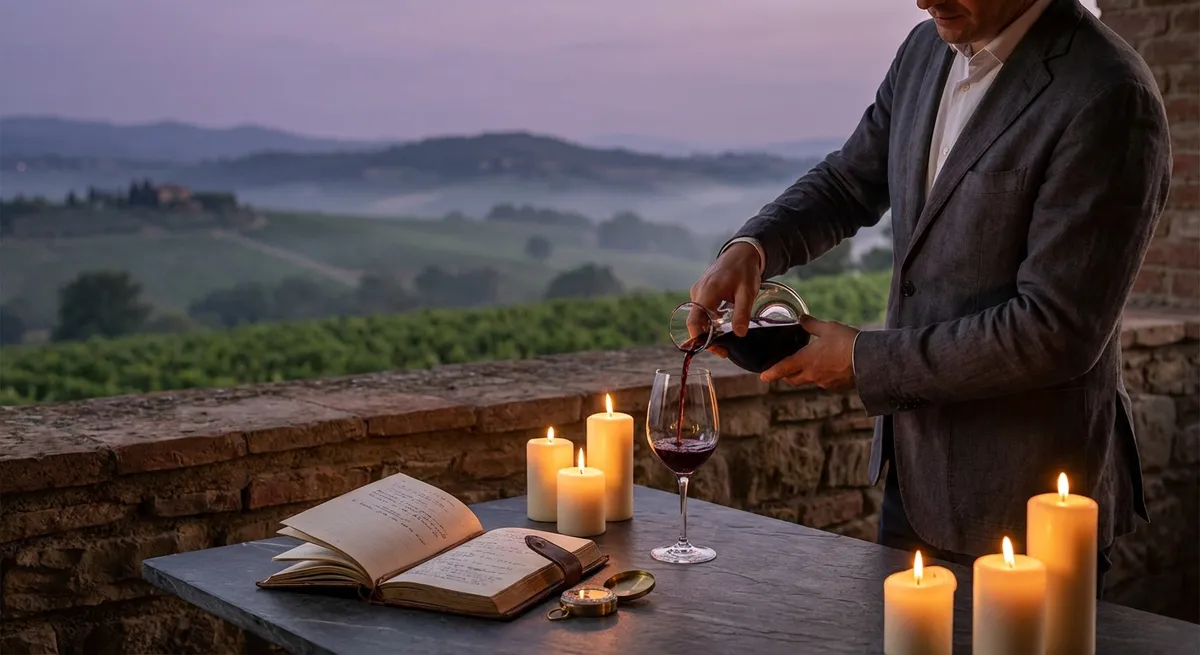
Collectors and sommeliers rarely rely on memory alone; they construct their own private atlas of taste. On a refined wine tour, this practice becomes an integral part of the experience. Rather than cataloguing every aroma, focus on three axes: texture, shape, and resonance.
Texture captures tactile impressions—powdery versus grainy tannins, glossy versus chalky acidity, weightless versus velvety mid-palate. Shape considers how a wine moves: does it arrive broad and then narrow, or begin linear and then bloom? Resonance is what lingers—a certain salinity, a floral echo, a spice pattern that reappears across vintages. Pair these impressions with precise details: parcel name, elevation, fermentation vessel, or time on lees. Over multiple tours and regions, your notes will reveal patterns: how you respond to whole-cluster fermentations, certain soil types, or particular oak regimens. This archive becomes more than a memory aid; it quietly guides future itineraries, helping you seek out estates whose aesthetic already speaks your language—often before you have tasted a single wine.
Conclusion
A truly elevated wine tour is defined not by how many wineries you visit, but by the depth of engagement at each stop. Designing your day around the natural arc of the palate, reading vineyards as carefully as tasting notes, earning access to off-list bottles, aligning visits with a winery’s internal rhythm, and cultivating a disciplined yet personal note-taking ritual—all of these transform travel into practice, and practice into insight. In this space, wine touring becomes less about checking regions off a list and more about revisiting places where the conversation between land, craft, and time feels endlessly worth continuing.
Sources
- [Institute of Masters of Wine – Understanding Viticulture](https://www.mastersofwine.org/what-is-a-master-of-wine/study-support-materials/viticulture) - Overview of vineyard factors (soils, climate, canopy) that influence wine style
- [University of California, Davis – Terroir and Wine Quality](https://wineserver.ucdavis.edu/industry-info/enology/terroir-and-wine-quality) - Educational insight into how site and viticultural practices shape wine character
- [Wine & Spirit Education Trust (WSET) – How to Taste Wine](https://www.wsetglobal.com/knowledge-centre/wine/how-to-taste-wine/) - Professional framework for structured tasting and note-taking
- [Decanter – Best Time to Visit Wine Regions](https://www.decanter.com/wine-travel/best-time-to-visit-wine-regions-485059/) - Discussion of seasonal timing and its impact on winery experiences
- [Napa Valley Vintners – Planning Your Visit](https://napavintners.com/trade/travel.asp) - Practical guidance on appointments, etiquette, and maximizing wine country itineraries
Key Takeaway
The most important thing to remember from this article is that this information can change how you think about Wine Tours.