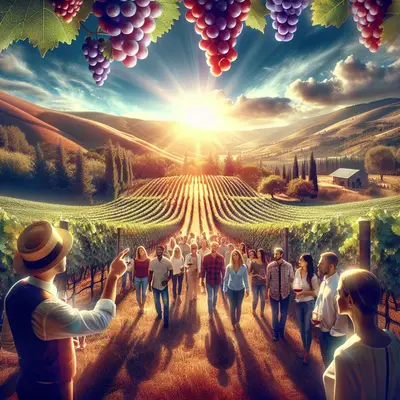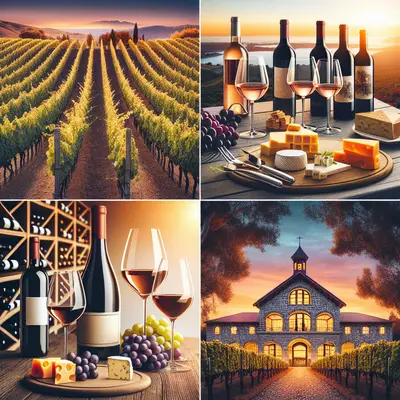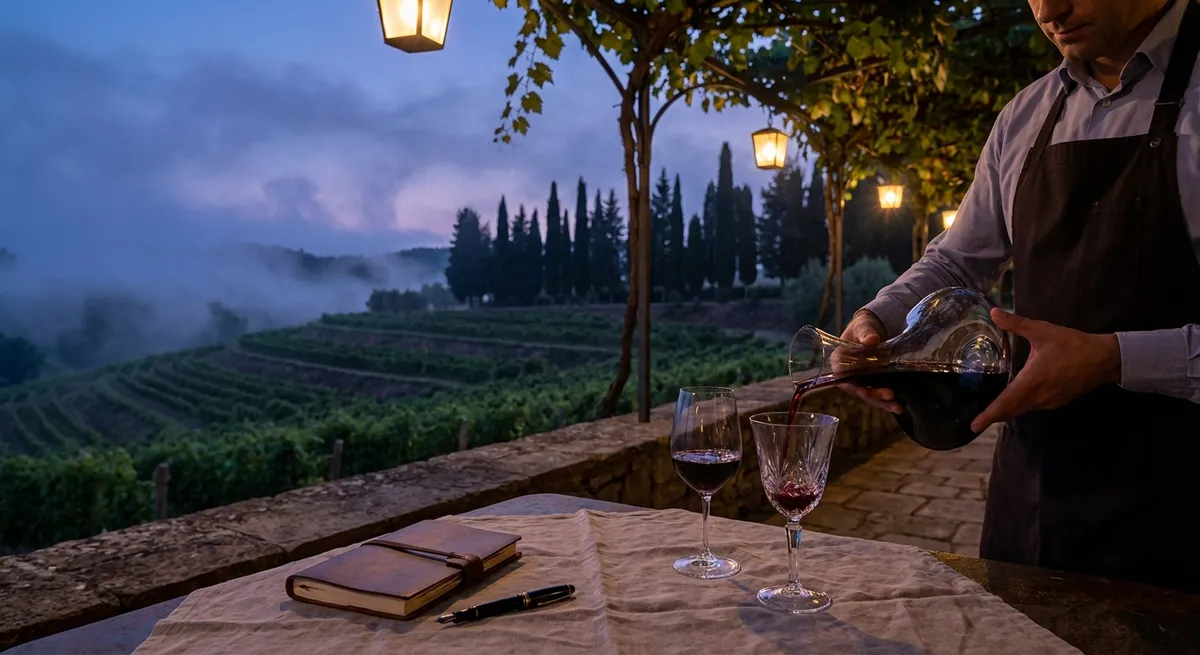
There is a point at which a wine tour stops being a pleasant excursion and becomes a finely tuned journey—where each glass, vista, and conversation feels deliberately placed. For the devoted wine enthusiast, this is where true pleasure lies: not only in the wines poured, but in the orchestration behind how they are encountered. A refined wine tour is less about ticking off regions and more about curating moments that deepen understanding, sharpen the palate, and linger in memory long after the last bottle is packed in the suitcase.
Designing the Journey, Not Just the Route
Elevated wine travel begins long before you arrive at the first vineyard. It starts with understanding what kind of narrative you want your trip to tell: a study in a single grape across multiple terroirs, an exploration of old-vine heritage sites, or perhaps a comparative immersion in traditional versus avant-garde winemaking.
Rather than plotting a string of famous names, consider the architecture of your days—alternating technical tastings with sensory, landscape-driven experiences. A morning devoted to soils and vineyard exposition can be balanced by an afternoon focused on cellar practices and barrel aging. Time the journey with the seasonal cadence of the region: early spring for pruning and quiet cellars, high summer for canopy management, harvest for intensity and energy, winter for contemplative barrel tastings. In the most refined itineraries, logistics are invisible; transfers, tastings, and table reservations flow seamlessly, allowing you to bring your full attention to the glass and the people behind it.
Exclusive Insight 1: Reading a Vineyard Like a Text
For the serious enthusiast, a vineyard walk can be as revealing as any vertical tasting—provided you know what to look for. Treat each parcel as a chapter in the story of the wine.
Begin with orientation: note the slope and aspect of the site relative to the sun. South-facing in the Northern Hemisphere (or north-facing in the Southern) often means greater ripeness; cooler exposures can preserve acidity and aromatic finesse. Examine planting density and vine spacing—tight, traditional rows may indicate a focus on low yields and concentration, while broader spacing could hint at mechanization or differing stylistic goals.
Pay attention to the ground. Are you standing on chalk, gravel, decomposed granite, volcanic ash, or heavy clay? Crumble the soil between your fingers if allowed; observe how it holds moisture or crumbles into dust. Subtle differences within a single hillside can explain why one block produces the estate’s flagship cuvée while the neighboring parcel is destined for a more approachable blend. Elevation shifts—even of 50–100 meters—can alter diurnal temperature swings and harvest dates. Ask your host which parcels ripen first, which are most challenging in cooler years, and which are earmarked for their most age-worthy wines. These details will echo later in the glass.
Exclusive Insight 2: Orchestrating Tastings for Maximum Clarity
The way you structure tastings over the course of a day profoundly influences what you perceive. Rather than surrendering entirely to a pre-set flight, request a progression that allows you to track a single variable across several wines whenever possible.
One refined approach is to taste by terroir first, then by technique. Begin with a comparative flight from different parcels or villages, all vinified in as similar a manner as possible. This foregrounds place: you’ll better discern the tension between a cooler slope and a warmer plateau, or between stony soils and richer clays. Only then move to a second flight that varies élevage—stainless steel versus neutral oak, larger foudres versus small barriques, shorter versus longer lees contact.
Mind the sensory fatigue that accumulates as the day advances. Reserve the most intellectually demanding visits—those focused on micro-terroirs, long verticals, or nuanced production details—for early in the day, when your palate is fresh and your concentration sharp. Late-afternoon visits can favor more hedonistic wines, larger aromatics, or wineries where the setting—an elevated terrace, a historic cloister—plays as much a role as the technical conversation. Finally, build in unscheduled intervals; the most compelling insights often arise when there is space for a spontaneous additional bottle or an unhurried return to a favorite cuvée.
Exclusive Insight 3: Conversations Beyond the Tasting Notes
The tenor of your questions will often determine the depth of engagement you receive. Moving beyond “What grapes are in this blend?” or “How long in oak?” allows you to tap into the winemaker’s decision-making logic, not merely their outcomes.
Consider asking about the vintage in terms of choices rather than conditions: Which decisions defined this year in the vineyard? Were there parcels harvested earlier than usual, or fermentations allowed to proceed with less intervention? Invite contrast by probing what changed between two consecutive vintages of the same wine, and what the winemaker learned in the process. Query where they see their region heading climatically over the next decade and how that future is shaping current plantings or pruning strategies.
Engage cellar staff and vineyard managers as well as proprietors. Vineyard workers can illuminate canopy management, manual vs. mechanical harvest decisions, and the subtle calendar of treatments in the vines. Cellar teams can speak to fermentation monitoring, pressing regimes, and the quiet mechanisms that separate a good wine from a truly precise one. These conversations create an intellectual scaffolding; each subsequent sip becomes not merely a flavor, but the tangible result of layered, considered choices.
Exclusive Insight 4: Savoring Time—Verticals, Late Releases, and Library Wines
In the finest wine experiences, time itself is part of the tasting. Seek out estates where you can taste verticals—multiple vintages of the same cuvée—to track how the interplay of age, vintage character, and house style unfolds.
A vertical tasting reveals patterns: which years express greater structure, which show more open aromatics, how tertiary notes (truffle, leather, dried flowers) emerge and integrate. This is particularly illuminating in regions with pronounced vintage variation—Bordeaux, Burgundy, Barolo, the Mosel—as well as in cool-climate New World sites. If possible, taste both current release and an older library bottle of the same wine. Pay attention not only to flavor evolution but to texture: the softening of tannins, the way acidity feels more woven than linear, the expansion of mid-palate weight.
Some producers now offer late-release programs, holding back select vintages until they are entering their prime. Visiting these estates affords a privileged glimpse into the intended drinking window of their wines—an invaluable reference when deciding how long to cellar your own bottles. Ask which vintages they themselves are currently opening at home; these informal recommendations often reflect a far more nuanced understanding than a generic aging chart.
Exclusive Insight 5: Pairing Place, Cuisine, and Glass Beyond the Obvious
Wine tourism is often framed around classic pairings—local cheeses, charcuterie, regional dishes—but the most refined experiences think about pairing on three levels simultaneously: the wine, the plate, and the setting.
Consider the interplay of altitude and cuisine: a crisp, high-acid white sipped on a windswept hillside terrace before descending to a stone-vaulted dining room for more structured reds. Seek out producers who collaborate with local chefs for micro-seasonal menus, where the dishes are designed around both the vintages and the specific cuvées being poured. A lean, saline white from maritime vineyards can be illuminated by a simple preparation of local shellfish, while a more textural, skin-contact wine might be best expressed alongside a dish with bitterness and umami—grilled radicchio, wild mushrooms, aged mountain cheeses.
Glassware, too, is part of the pairing architecture. Where possible, ask to taste the same wine in two different glass shapes; the contrast can be revelatory for aromatics and perceived structure. Some estates now partner with premium stemware brands to create custom tastings, a quietly luxurious detail that underscores the interplay between form and flavor. Above all, remain attentive to how the environment—light, temperature, background sounds—modulates your sensory experience; understanding this allows you to recreate, in your own home, at least a fraction of the magic of that hillside lodge or riverside terrace.
Conclusion
A truly elevated wine tour is not defined by how many wineries you visit or how rare the labels you encounter. Its measure lies in the quality of your attention and the thoughtfulness of the experiences woven around each pour. By reading vineyards as carefully as you read wine lists, by structuring tastings for clarity rather than excess, by engaging deeply with the people and decisions behind each bottle, you transform travel into a kind of ongoing masterclass.
These whispered itineraries—tailored, contemplative, and quietly exacting—create a deeper intimacy with wine and place. In their refined pacing and considered details, they offer something rarer than novelty: a lasting, quietly luxurious understanding of how great wines come to be, and how best to experience them.
Sources
- U.C. Davis Viticulture and Enology – Fundamentals of Winegrowing - Technical background on vineyard factors like soil, aspect, and climate that shape wine style
- Cornell University – Wine and Grape Information - Research-based insights into vineyard management, harvest decisions, and winemaking practices
- Decanter – Vertical Wine Tastings Explained - Overview of vertical tastings and what they reveal about age, vintage variation, and producer style
- Wine Spectator – How Glass Shape Affects Wine - Exploration of how stemware influences aroma, structure, and overall perception
- Slow Food International – The Role of Terroir in Wine - Discussion of terroir, local gastronomy, and the connection between place, cuisine, and wine experiences
Key Takeaway
The most important thing to remember from this article is that this information can change how you think about Wine Tours.