Wine travel, at its most refined, is not about how many estates you visit in a day. It is about how deliberately you choose where to linger. The most memorable wine tours unfold in quiet, measured moments: a barrel sample tasted by cellar candlelight, a vineyard walk in the first cool hour of morning, a conversation that reveals why a winemaker chose restraint over opulence in a single vintage. For the traveler who values nuance over spectacle, the wine tour becomes less an excursion and more a beautifully paced narrative.
The Architecture of Time: Designing a Slow, Intentional Route
Exceptional wine journeys begin with an almost architectural approach to time. Rather than stacking four or five estates into a single day, the connoisseur’s itinerary favors spaciousness—two, perhaps three carefully chosen visits, each with room for unhurried discovery.
This slower cadence allows you to notice details that rushed itineraries blur: the direction of vineyard rows and how they catch the light; the subtle shift in aroma as a wine moves from new oak to neutral barrel; the way the air cools when you step from a sun-drenched courtyard into a stone cellar built a century ago. When there is no need to glance at your watch, the experience gains depth: questions become more thoughtful, conversations more candid, and you start to taste not just what is in the glass, but the choices that shaped it.
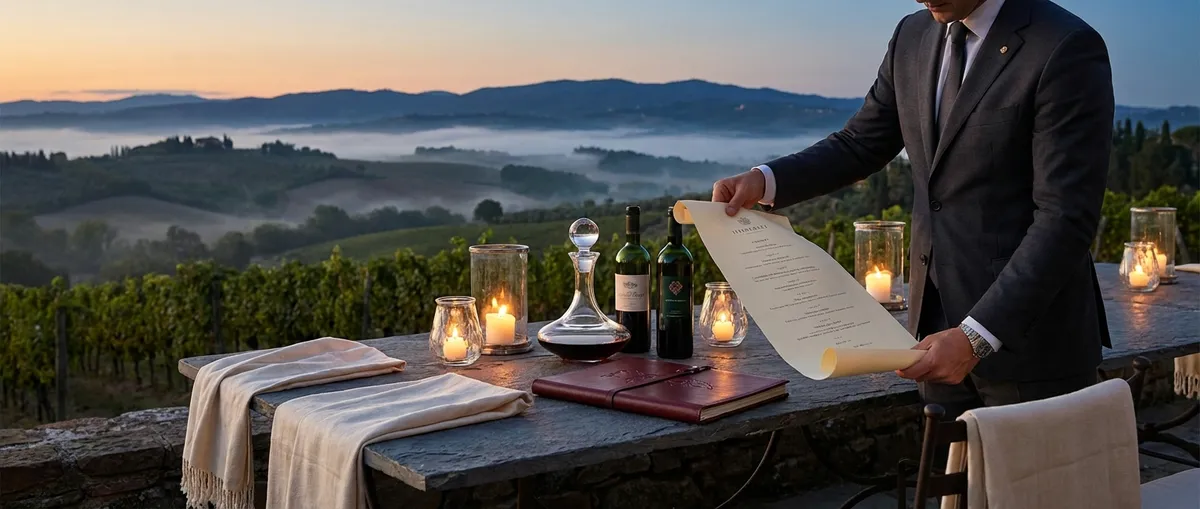
Thoughtful sequencing also matters. Visiting cooler-climate or more delicate styles early in the day, when your palate is freshest, and reserving richer, more powerful wines for later preserves clarity of perception. Aligning vineyard visits with the rhythm of the day—morning walks among vines, midday tastings in shaded salons, twilight dinners with library bottles—elevates a wine tour from pleasant to profoundly memorable.
Exclusive Insight #1:
The most insightful wine travelers treat time as their primary luxury—paring their schedule back until each visit has room to breathe, allowing subtleties in wine, place, and people to fully reveal themselves.
Private Geographies: Reading the Landscape Behind the Label
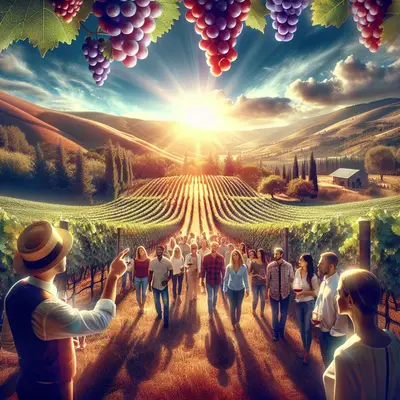
For those who care about wine at a serious level, a vineyard is never just scenery; it is an annotated map of everything that will appear in the glass. The best wine tours cultivate this way of seeing, turning hillsides and valley floors into chapters of a story you can read with your feet.
Walking a slope, you feel gradient and exposure in your own body: how quickly the sun warms the south-facing rows, how wind funnels through a gap in the hills, how gravel gives way to clay beneath the topsoil. Each of these elements—elevation, orientation, soil composition, proximity to water—creates a private geography that shapes acidity, ripeness, tannin, and aromatic profile.
A premium tour encourages questions that go beyond “What grape is this?” to “Why is this grape here, and not 200 meters higher?” or “How does this parcel behave in a cool vintage versus a warm one?” When a winemaker or vineyard manager walks with you among the rows, their gestures—a hand tracing the horizon line, a pause at a venerable old vine—become as instructive as any tasting note.
Exclusive Insight #2:
Truly knowledgeable wine travelers learn to “read” a vineyard visually and physically—slope, aspect, soil, and wind—so that even before the first sip, they can anticipate a wine’s style from the landscape itself.
Conversations in the Cellar: Listening for the Winemaker’s Signature
In a world where tasting rooms can feel increasingly polished and interchangeable, the cellar remains the most intimate and revealing space in a winery. It is here, surrounded by tanks and barrels rather than décor and branding, that a winemaker’s philosophy becomes unmistakably clear.
Attention to how they describe their decisions is telling: do they speak in terms of extraction and oak, or in terms of energy, texture, and length? Are they more animated discussing vineyard blocks than barrel cooperages, or vice versa? Their language is an unfiltered expression of what they value most. Tasting the same wine at different stages—juice, fermenting must, barrel sample, finished bottle—offers a rare perspective on how intention and restraint shape the final result.
A discerning guest does not seek to impress with encyclopedic knowledge but to invite candor with thoughtful, open-ended questions: “When did this vintage keep you awake at night?” or “What did you decide not to do in the cellar this year?” This is where you step beyond technicalities and into the realm of aesthetic choices, ethics, and long-term vision.
Exclusive Insight #3:
The most revealing moments of a wine tour often occur not at the polished tasting bar, but in the working cellar—where a winemaker’s true priorities, compromises, and ideals are articulated in both words and unfinished wines.
Curated Glassware and Service: Elevating Tasting to a Precision Experience
In refined wine travel, the glass is never an afterthought. The shape, weight, and rim of the glass, the temperature and order of service, even the height of the pour—each quietly alters your perception of what is in the bottle. An elevated tour pays exacting attention to this choreography.
A single premium glassware style used for every wine can indicate aesthetic minimalism or logistical simplicity; a precisely chosen progression of glasses, tailored to aromatic whites, structured reds, or mature library wines, signals a deliberate pursuit of clarity. When the estate adjusts glassware mid-flight—shifting to a Burgundy bowl for an ethereal Pinot Noir or a more tapered glass for a volatile aromatic variety—it reveals a house culture attuned to detail.
Guests who travel for wine at a high level notice service cues: wines poured in flights that invite comparison rather than isolation, decanting choices that respect age and structure, and temperatures calibrated to the style rather than chilled indiscriminately. Overly cold whites, overly warm reds, or rushed refills speak volumes about priorities behind the scenes.
Exclusive Insight #4:
Sophisticated wine travelers read glassware and service as part of a winery’s identity—subtle signals that reveal how seriously the estate takes precision, hospitality, and the full sensory expression of its wines.
Beyond the Tasting Room: Integrating Food, Season, and Silence
The most lasting wine travel memories often unfold outside the formal tasting—over a long table lunch in the shade of olive trees, a simple plate of local cheese after a cellar visit, or a solitary moment watching fog lift from the vines. Advanced enthusiasts understand that context can either whisper or shout over the wine, and they choose their experiences accordingly.
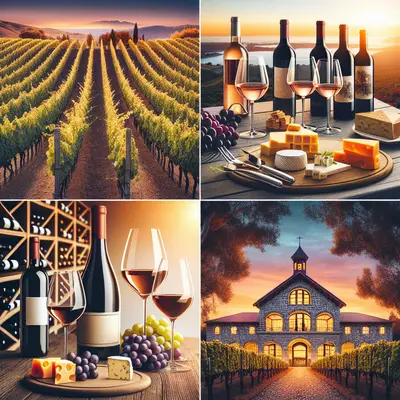
Pairing-focused visits that explore regional ingredients—salt-cured fish with high-acid whites, delicately charred meats with structured reds, local cheeses with oxidative styles—reveal dimensions of the wine that remain hidden in a neutral tasting setting. A thoughtfully curated pairing shows confidence: the estate trusts its wines to hold a complex conversation with serious cuisine.
Seasonality, too, reframes everything. A visit during harvest crackles with energy and immediacy; winter offers contemplative quiet and library bottles; spring and early summer showcase the vineyards in a state of becoming rather than completion. Returning to the same region in different seasons reveals how wines that felt exuberant in August can seem disciplined and architectural in January.
Silence is an underrated luxury in wine travel. The chance to sit with a single glass—without commentary, music, or urgency—allows you to register the wine’s evolution minute by minute. On the most refined tours, hosts understand when to step back, leaving space for personal reflection.
Exclusive Insight #5:
Discerning wine travelers curate not only which estates they visit, but also the surrounding context—food pairings, season, and quiet interludes—knowing that these elements profoundly shape how a wine is perceived and remembered.
Conclusion
At its highest level, wine touring is an exercise in cultivated attention. It is the choice to experience fewer places more deeply, to treat landscapes as texts, to listen for the human decisions embedded in every barrel and bottle. It is a commitment to detail—time, geography, conversation, service, season—that transforms a simple outing into a layered, enduring memory.
For the enthusiast who values nuance, a wine tour is no longer a checklist of famous names. It becomes a collection of finely observed moments: the cool of cellar stone under your hand, the sunlight on a particular row, the pause before a winemaker answers a difficult question. These are the elements that distinguish a pleasant visit from a truly luxurious journey—one that lingers long after the last glass is poured.
Sources
- Wine Institute – Winegrowing Regions – Overview of major U.S. wine regions, climates, and growing conditions
- University of California, Davis – Terroir and Wine Quality – Educational resource on how soil, climate, and topography influence wine
- Decanter – How Glass Shape Affects Wine – Exploration of the impact of glassware design on tasting perception
- Wine Spectator – The Art of Pairing Food and Wine – Guidance on matching wines with food to enhance flavor and structure
- BBC Travel – Seasonal Wine Travel Insights – Discussion of timing, seasonality, and planning considerations for wine-focused travel
Key Takeaway
The most important thing to remember from this article is that this information can change how you think about Wine Tours.