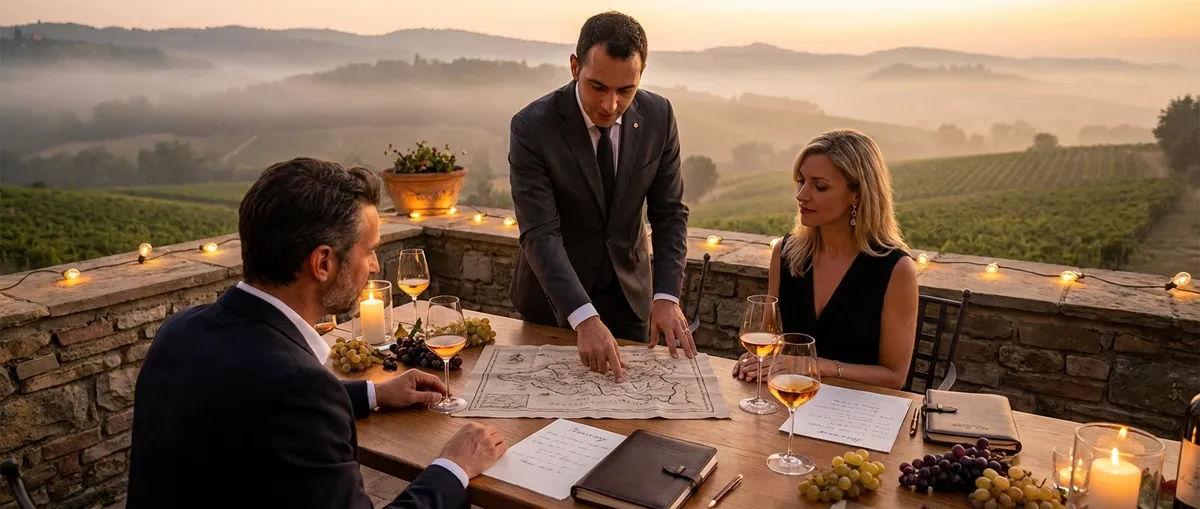
There is a moment on a great wine tour when the world seems to narrow to a single sound: the soft hush of wine tumbling into the glass. Around it, every detail—light, landscape, conversation—feels suddenly heightened. Wine Tour Adventures is dedicated to orchestrating those moments on purpose, not by accident. This is not about racing from tasting room to tasting room; it is about designing journeys that reward patience, curiosity, and a finely tuned sense of pleasure.
Below, we explore a more considered approach to wine travel, revealing five exclusive insights that seasoned enthusiasts quietly rely on to turn a pleasant vineyard visit into an unforgettable, deeply personal experience.
Designing a Journey Around the Vineyard, Not the Map
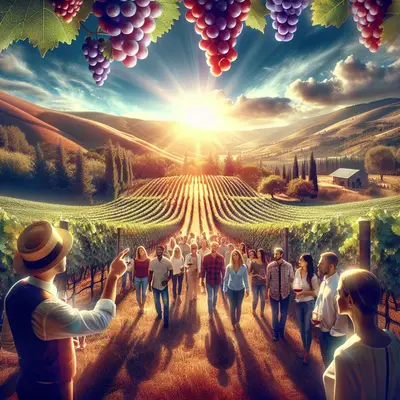
For many travelers, wine touring begins with geography: “Napa,” “Bordeaux,” “Tuscany.” For the truly attentive palate, it begins with vineyards: altitude, aspect, soil, and the quiet personality of each site. Two estates a short drive apart can express radically different characters in the glass, shaped by subtle shifts in exposure, breeze, and geology.
Instead of plotting a simple loop of famous names, structure your tour around vineyard narratives. Seek out producers who vinify specific plots separately—single-vineyard bottlings, lieu-dit wines, or crus that showcase micro-terroirs. Ask to walk the sites that most intrigue you: a steep, wind-swept slope; a cool, shaded hollow; or a sun-soaked bench of gravel and sand. Pay attention to texture underfoot, the feel of the air, the angle of the sun. Then taste those same sites in the glass. Designing a journey around vineyard stories rather than place names transforms a regional overview into a quietly sophisticated masterclass in terroir.
The Art of the Unhurried Tasting: Time as a Luxury Ingredient
Luxury in wine travel is increasingly measured not by opulence, but by unhurried time. The best experiences unfold at a pace slow enough for nuance to reveal itself—both in the glass and in conversation. Rather than scheduling five or six stops in a day, restrict your itinerary to two, perhaps three, and allow each visit to breathe.
Arranging private or semi-private tastings with extended time windows lets you observe how wines evolve in the glass over 30–45 minutes, rather than in a quick sequence of sips. You can revisit the first pour after the last, compare impressions, and notice shifts in aroma and texture that would be invisible at speed. Linger over a single flight with a notebook, or simply with your memory; both require quiet and space. This deliberate slowing of the experience—fewer wines, more attention—elevates a tasting from a checklist to a meditation.
Behind the Label: Conversations That Change How You Drink
The most lasting memories of a wine tour rarely come from the tasting notes printed on a sheet; they come from the unscripted margins of a conversation. When you’re hosted by a winemaker, viticulturist, or long-time cellar hand, the right questions can unlock a level of insight that permanently shifts how you drink.
Move beyond “Which wine is your bestseller?” and “How many bottles do you produce?” Instead, ask about the hardest decision of the last vintage, or which parcel they most worry about each year. Inquire why they chose one fermenting vessel over another—concrete, amphora, old oak, or stainless—and what that decision adds or removes from the wine. Ask which wine they open for themselves on quiet evenings, and why. These questions invite honesty, not marketing. The answers will color what you taste in the glass with context: a late-season storm that threatened the harvest, a risky shift toward organic farming, a long debate over when to pick. You are no longer just tasting wine; you are tasting a series of decisions.
Curating the Table: Food Pairings as a Lens, Not a Luxury
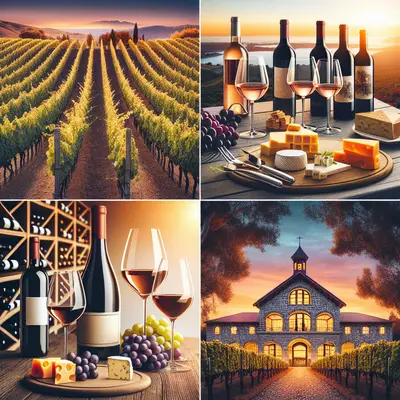
An elevated wine tour does not simply bolt on a “gourmet lunch”; it uses food as a lens to sharpen and refine your perception of the wines themselves. Thoughtfully curated pairings reveal architecture—acidity, tannin, body, and aromatic profile—in ways a simple tasting flight cannot.
Seek visits that include small, precise food pairings rather than elaborate menus for their own sake. A sliver of aged cheese with a mature Cabernet, a delicately cured fish with a high-acid white, or a single, perfect bite of truffle-inflected pasta with an older Barolo can illuminate structure and evolution more clearly than any tasting note. When possible, revisit a wine both alone and with food to understand its versatility and boundaries. Note which pairings make the wine feel longer, silkier, or brighter, and which diminish it. This attention to the dance between glass and plate turns every future dinner, long after your tour ends, into a continuation of your education.
Quiet Rarities: Library Bottles and Experimental Barrels
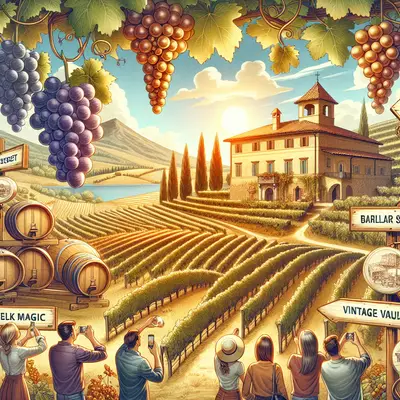
The most memorable moments on a wine tour often occur far from the public tasting bar: in a cool, dim library of older vintages or beside an unassuming barrel tucked away at the edge of a cellar. Access to these spaces—and to the wines within them—is where a truly premium experience distinguishes itself.
Request, in advance, the opportunity to taste at least one library vintage that is not part of the standard offering. A ten- or twenty-year-old wine from the same estate you’re tasting young releases from will teach you more about the producer’s style and the region’s aging potential than any brochure. When possible, ask to sample something still in tank or barrel—a new clone, a trial with extended lees contact, or an experimental amphora lot. These behind-the-scenes tastes carry an intimacy: you are glimpsing wines in private moments, before the world sees them. For the devoted enthusiast, such experiences become reference points against which all future tastings are quietly measured.
Conclusion
A genuinely elevated wine tour is not defined by how many renowned estates you visit, nor by how many rare labels you taste. It is defined by the quality of your attention: to vineyards, to time, to conversation, to the table, and to the quiet rarities that producers reserve for those who truly care.
When your itinerary is crafted with this kind of intention, the journey extends well beyond the days you spend among the vines. Each bottle opened at home becomes a return ticket—to a hillside you walked at dusk, a story shared in a barrel room, a single perfect pairing that redefined what wine can be. At Wine Tour Adventures, this is the standard we quietly pursue: tours that do not simply show you wine country, but refine the way you experience wine itself.
Sources
- Wine Institute – Discover California Wine – Regional overviews, vineyard information, and visitor resources for California wine country
- Bordeaux Wine Council (CIVB) – Detailed insights into Bordeaux terroirs, appellations, and vineyard characteristics
- Decanter – How to Plan the Perfect Wine Trip – Expert guidance on structuring wine-focused travel and tastings
- GuildSomm – The Concept of Terroir – In-depth exploration of terroir and how site-specific factors influence wine
- UC Davis Department of Viticulture & Enology – Technical background on winemaking decisions that shape style and structure
Key Takeaway
The most important thing to remember from this article is that this information can change how you think about Wine Tours.