A truly memorable wine tour is never just a sequence of tastings; it is a carefully orchestrated tableau of landscape, time, conversation, and glass. For discerning wine enthusiasts, the journey between the vineyards can be as evocative as the wine itself—an interplay of terroir, architecture, and hospitality that reveals as much as any cellar door. Thoughtfully composed, a wine tour becomes a private narrative: of harvests past, of families who anchored their futures in the soil, and of bottles that will not reach the wider world.
Below are five exclusive, insider-level insights designed for those who seek more than a standard tasting flight—enthusiasts who want to shape their tours with the same precision a winemaker brings to blending.
Curating by Micro‑Terroir, Not by Region
Most visitors choose itineraries by region—Bordeaux, Napa, Barossa, Douro—yet serious enthusiasts know that the true character of a tour emerges from micro‑terroir, not macro geography. Selecting estates that share a grape variety but differ in soil type, elevation, or exposure can transform a day of visits into an immersive masterclass.
Imagine a sequence of Chardonnay tastings across three neighboring sites: one rooted in chalk, another in clay-limestone, and a third on stony, well-drained slopes. The variations in texture, acidity, and aromatic profile become a living illustration of what textbooks merely outline. Similarly, pairing coastal, wind‑swept vineyards with more protected inland plots exposes the role of diurnal shifts and maritime influence in the glass.
To translate this into practice, study vineyard maps and appellation regulations in advance, and look for producers who emphasize single‑parcel bottlings or lieu‑dit labels. This curation shifts your tour from general sightseeing to a precise, terroir‑driven exploration where each stop answers a question posed by the last.
Aligning Your Visit With the Vineyard’s Calendar
The difference between visiting a winery in February and September can be as striking as tasting a young barrel sample versus a fully mature release. Enthusiasts who plan tours around the vineyard’s internal calendar—rather than their own holiday schedules alone—are often rewarded with experiences rarely offered to the casual visitor.
In late winter and early spring, pruning and budbreak bring a sense of quiet concentration; the vineyard is contemplative, and winemakers often have more time to host in-depth, cellar‑focused visits. Summer, particularly veraison, reveals the vineyards in full color and is ideal for understanding canopy management and ripening strategies, yet can be busy. Harvest offers the most electric energy: sorting tables in motion, fermentations in progress, the cellar humming with activity. While not every estate welcomes guests at the peak of harvest, those that do provide unrivaled insight into decision‑making at its most intense.
Even bottling, typically overlooked by visitors, can be fascinating—an opportunity to appreciate quality control standards, closure choices, and small but significant details that affect the wine’s evolution in your cellar. When booking, inquire explicitly about the seasonal work underway; the most rewarding tours are those that intersect meaningfully with the vineyard’s own rhythm.
Designing a Comparative Tasting Arc Across Estates
Enthusiasts often think of comparative tastings as something that happens at a single winery—verticals of a flagship wine, or side‑by‑side cuvées. The more nuanced approach is to design a comparative arc that spans several properties, allowing each stop to build on the one before.
One day might focus on aging vessels: begin with an estate committed to stainless steel and concrete, emphasizing purity of fruit and tension; progress to a domaine that uses large neutral foudres to showcase texture without overt oak; and conclude at a producer known for meticulous barrel programs and long élevage. By the final tasting, you are not simply noting “oak” or “no oak,” but calibrating your palate to the subtleties of grain, toast level, and vessel size.
Another day might follow stylistic philosophies, for instance: natural-leaning producers with minimal intervention, then estates rooted in classical, rigorously controlled methods. Your tastings become a dialogue between philosophies rather than isolated experiences. Advance coordination is key: share your intentions with each estate so they can select wines that best contribute to your comparative narrative. Properly structured, the entire day drinks like a single, evolving flight.
Seeking Access to the Working, Not Just the Polished, Spaces
Public tasting rooms are designed to charm, and they do. Yet the most revealing elements of a winery tour are often found just beyond the usual route: the lab where samples are analyzed, the experimental fermenters hidden in a side aisle, or the quiet barrel corner where a tiny, single‑row parcel is aging for a select release.
Enthusiasts should request visits that emphasize production spaces over presentation spaces—within reason and respecting safety and privacy. Ask if it is possible to see small‑lot trials, alternative cap‑management techniques, amphorae, or archival bottles resting in the darkest part of the cellar. Observe details: how meticulously tanks are labeled, how topping and sulfur adjustments are recorded, how temperature control is managed during fermentation.
These glimpses reveal a producer’s true priorities and standards. A spotless but unpretentious working cellar can speak volumes about precision and care, often more than any polished hospitality suite. When wineries recognize that you are genuinely interested in the craft rather than the spectacle, they are more inclined to share rare cuvées, unfinished samples, or stories not told on standard tours.
Elevating the Experience With Intentional Pairing Moments
Food pairings on wine tours can be perfunctory—generic cheese boards and charcuterie—unless you treat them as carefully as the tastings themselves. Enthusiasts can transform casual snacks into instructive, memorable pairing modules with a small amount of foresight and coordination.
Consider structuring one visit around white wines and salinity: oysters or delicate, briny seafood with high‑acid, mineral‑driven whites, followed by a contrast pairing that intentionally challenges the wine, such as a richer, subtly spicy dish. Another stop might focus on tannin management, pairing young structured reds with different textures of protein or fat to see how each modifies perceived grip and bitterness.
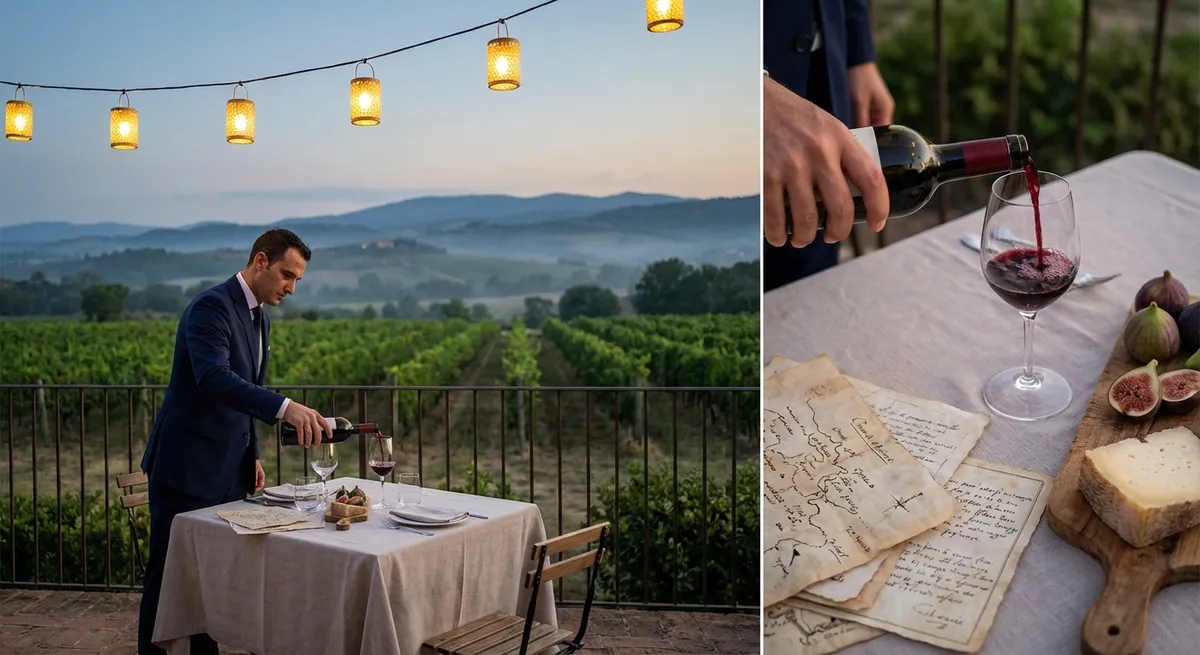
Where estates have culinary programs, request pairings designed to illustrate specific winemaking decisions—maceration length, residual sugar, use of whole cluster—rather than generic “red with meat, white with fish” approaches. If the winery does not provide food, collaborate with a local restaurant or private chef to create a post‑tasting menu that extends the wines you have just explored. The result is a continuous thread from vineyard to cellar to table, with each glass anchored in a gastronomic context rather than existing in isolation.
Conclusion
A sophisticated wine tour is not measured in the number of wineries visited, but in the coherence and depth of the story you construct between each glass. By curating visits around micro‑terroir, aligning your timing with the vineyard’s own calendar, building comparative arcs across estates, seeking access to working spaces, and elevating food pairings into intentional learning moments, you transform a pleasant excursion into a rarefied, deeply personal exploration of the wine world.
For enthusiasts who travel not simply to taste but to understand, a wine tour planned with this level of refinement becomes more than a journey—it becomes a quietly luxurious education, one that lingers long after the final bottle is back in your cellar.
Sources
- Wine Institute – California Wine Regions & Terroir – Overview of how geography, climate, and soil influence wine styles in California
- Institute of Masters of Wine – Understanding Terroir – Expert discussion of terroir and its impact on wine character
- UC Davis Department of Viticulture & Enology – Research and educational resources on viticulture, winemaking, and cellar practices
- OIV (International Organisation of Vine and Wine) – Technical publications on viticulture, oenology, and wine production standards
- Decanter – Wine Travel Guides – Curated insights into wine regions, seasonal considerations, and winery visit experiences
Key Takeaway
The most important thing to remember from this article is that this information can change how you think about Wine Tours.