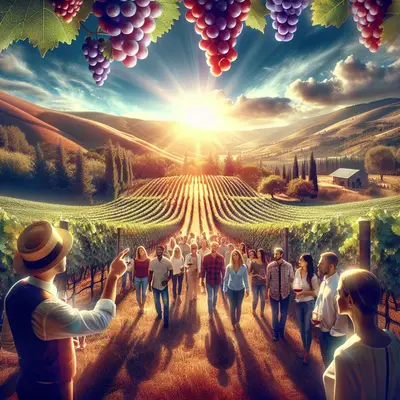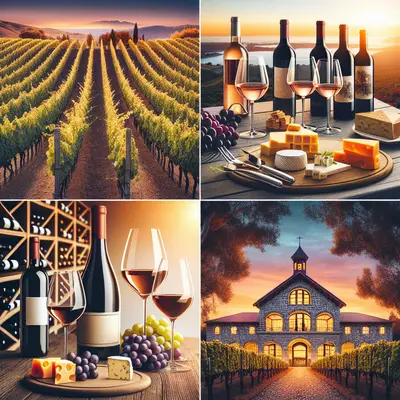
The most memorable wine tours rarely announce themselves with fanfare. They unfold quietly—through a perfectly timed vineyard walk, a conversation with a cellar master between barrel rows, or a glass poured from a bottle that never appears on any public list. For discerning travelers, a wine tour is no longer a checklist of tastings; it is a curated passage through place, craftsmanship, and time. At Wine Tour Adventures, we believe the true luxury of wine travel lies in the details that most visitors never see.
Below, you’ll find five exclusive insights that transform a pleasant day of tasting into a refined, deeply resonant journey—crafted for those who expect their experiences to be as nuanced as the wines in their glass.
Designing the Arc of a Day: From First Pour to Last Light
A sophisticated wine tour is composed like a well-structured wine: it needs balance, progression, and a graceful finish. Rather than hopping between as many estates as possible, focus on three impeccably chosen stops that complement each other in style, terroir, and ambiance. This pacing allows time for texture—a barrel tasting here, a vineyard walk there, a quiet pause on a terrace while the afternoon light drapes over the vines.
Start with producers whose wines are fresher, more aromatic, and lighter in alcohol. Morning visits are ideal for sparkling wines, crisp whites, and elegant rosés, when your palate and senses are at their most receptive. Midday can welcome structured whites and medium-bodied reds, ideally paired with a refined lunch on the estate, where cuisine is crafted around local produce rather than generic tasting-room fare. Reserve late afternoon for the most concentrated, age-worthy reds, when the slower tempo of the day allows for extended cellar tours, library tastings, or verticals that trace a decade or more of a single cuvée.
The true artistry lies in sequencing not just by grape or prestige, but by mood: from exploration to contemplation, from curiosity to quiet awe. Done well, the day acquires its own narrative, and each glass becomes a chapter rather than a isolated highlight.
Reading a Vineyard Like a Connoisseur
Experienced wine travelers know that the story of a wine is legible long before it reaches the glass—if you know what to look for in the vineyard. Instead of treating vineyard walks as photo opportunities, use them as a chance to “read” the landscape with intention. Observe the soil underfoot: is it stony and reflective, clay-rich and cool, or sandy and free-draining? Each texture hints at the wines’ potential structure and style.
Look closely at vine spacing and canopy management. Tightly spaced vines often signal an estate’s commitment to controlling yields and encouraging deeper root systems, while thoughtfully managed foliage reveals how the grower balances sun exposure, acidity retention, and aromatic development. Organic or biodynamic practices may not always be advertised with fanfare, but you can often sense their presence in the cover crops between rows, the biodiversity buzzing around the vines, and the subtle absence of chemical imprint.
A skilled host or wine educator will be delighted by precise questions: why these rootstocks, this pruning method, this row orientation? Such dialogue shifts your experience from passive observation to informed engagement. The reward is a glass that tells a story you already partially understand—because you have walked across its origins.
The Private Side of Hospitality: Beyond the Public Tasting Room
For those seeking truly elevated wine experiences, the most memorable moments often happen away from the public counter. Many premium estates maintain a quiet second layer of hospitality: a private salon, a library room, a secluded terrace, or a barrel hall table where a more considered conversation can unfold. These spaces are rarely accessed by walk-ins; they are unlocked by advance appointments, measured curiosity, and a sincere interest in the estate’s philosophy.
Rather than requesting “special treatment,” express a desire for depth: ask about older vintages, experimental micro-cuvées, or comparative tastings that highlight terroir or vinification differences. Wineries that take their craft seriously are often eager to showcase facets that go far beyond their primary flight, whether that means sampling an amphora-aged lot, tasting an unfiltered barrel sample, or exploring a wine that never leaves the estate’s mailing list.
It is also worth noting that at the top tier, time is the ultimate luxury. An extra half hour with the winemaker walking through the cellar, discussing blending decisions or vintage challenges, can be far more valuable than a generous library pour. Discreet, thoughtful engagement—rather than conspicuous consumption—signals that you are there not only to taste, but to truly understand.
Savoring Silence: The Acoustics of a Refined Tasting
Enthusiasts who have traveled extensively through wine regions know that sound—often overlooked—is an essential component of refined tasting. The most elevated experiences tend to take place in acoustically soft environments: barrel rooms where oak and cool air absorb noise, lounges with plush fabrics that quiet the room, or terraces where only the murmur of conversation and the rustle of leaves frame each sip.
When planning your itinerary, seek out estates that limit group size or offer seated, appointment-only tastings. A quieter environment allows the subtler layers of a wine—delicate florals, faint mineral notes, gentle evolution in the glass—to become perceptible. Your own pace slows; instead of racing through a lineup, you find space for reflection between pours.
Practically, this also means allowing silence within the tasting itself. Resist the impulse to narrate every impression. Taste once in pure quiet, again with conversation, then finally with food if available. Each context reveals a different dimension. For seasoned palates, the ability to modulate one’s own sensory environment—rather than merely accepting whatever bustle surrounds the bar—is one of the most understated luxuries of wine travel.
Curating a Personal Archive: Transforming Tours into a Living Cellar
An exceptional wine tour lingers long after the final bottle is packed—if you treat the experience as the beginning of a relationship, not the end of a visit. Instead of collecting souvenirs indiscriminately, curate an intentional “travel vertical” in your cellar: a small selection of bottles, each chosen to be opened at a specific future moment. One bottle might be destined for immediate enjoyment, another for a milestone in five years, a third for a decade-long meditation on how both the wine and your own life have evolved.
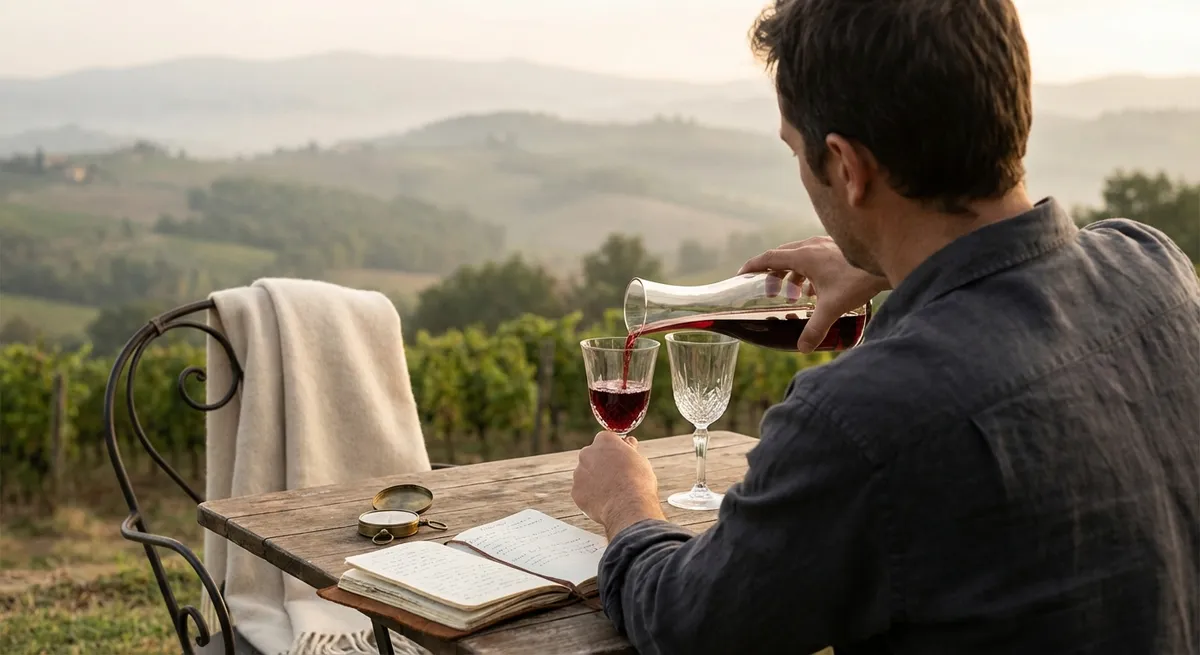
To enrich this archive, keep concise, elegant notes during or immediately after each visit. Record not only tasting impressions, but also the conditions of the day: the temperature in the vineyard, the scent in the cellar, the conversation that illuminated the winemaker’s ethos. Pair your bottles with these narratives—perhaps a printed card or a digital cellar entry—so that, when the cork is finally drawn, you uncork a memory as well as a wine.
Consider staying engaged with the estates that resonated most deeply: subscribe to their newsletters, attend occasional verticals or release events in your city, or revisit every few years to taste how both the wines and the place have evolved. In doing so, your wine tours cease to be isolated excursions and become threads in a long, elegant tapestry of ongoing discovery.
Conclusion
A refined wine tour is never merely about the destinations listed on an itinerary; it is about the subtleties you allow yourself to perceive and the relationships you quietly cultivate along the way. By choreographing the arc of your day, learning to read the vineyard, seeking the private layers of hospitality, honoring the acoustics of tasting, and curating a living archive of bottles and memories, you elevate travel from pleasant to profound.
At Wine Tour Adventures, we design journeys for those who understand that true luxury in wine is expressed not in excess, but in precision, restraint, and depth. The next time you step into a vineyard or cellar, treat it as an invitation—not simply to taste, but to listen closely to a place that speaks in vintages, textures, and time.
Sources
- [Napa Valley Vintners – Planning Your Wine Country Visit](https://napavintners.com/visit/planning_a_visit.asp) - Practical framework and etiquette insights for structuring a refined day of tastings
- [Institute of Masters of Wine – Understanding Terroir](https://www.mastersofwine.org/what-is-terroir) - Authoritative explanation of how soil, climate, and site translate into the glass
- [UC Davis Department of Viticulture and Enology](https://wineserver.ucdavis.edu/industry-info/viticulture) - Educational resource on vineyard practices, canopy management, and their impact on wine style
- [Bordeaux Wine Council (CIVB) – Wine Tourism in Bordeaux](https://www.bordeaux.com/us/Our-Visit) - Examples of structured visits, private tastings, and regional approaches to hospitality
- [Wine Institute – California Wine Country Travel Tips](https://www.wineinstitute.org/our-work/exports/california-wine-country-travel-tips/) - Guidance on appointments, pacing, and enhancing the overall wine travel experience
Key Takeaway
The most important thing to remember from this article is that this information can change how you think about Wine Tours.