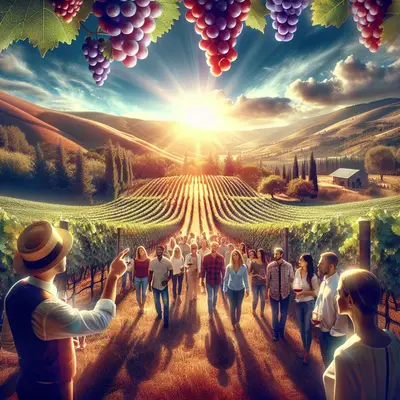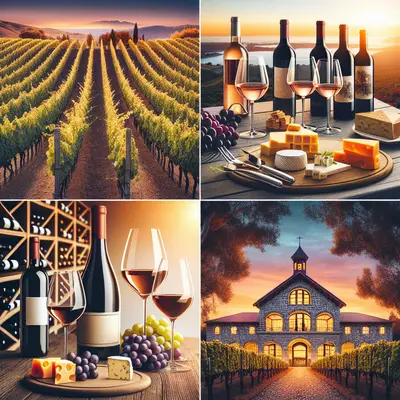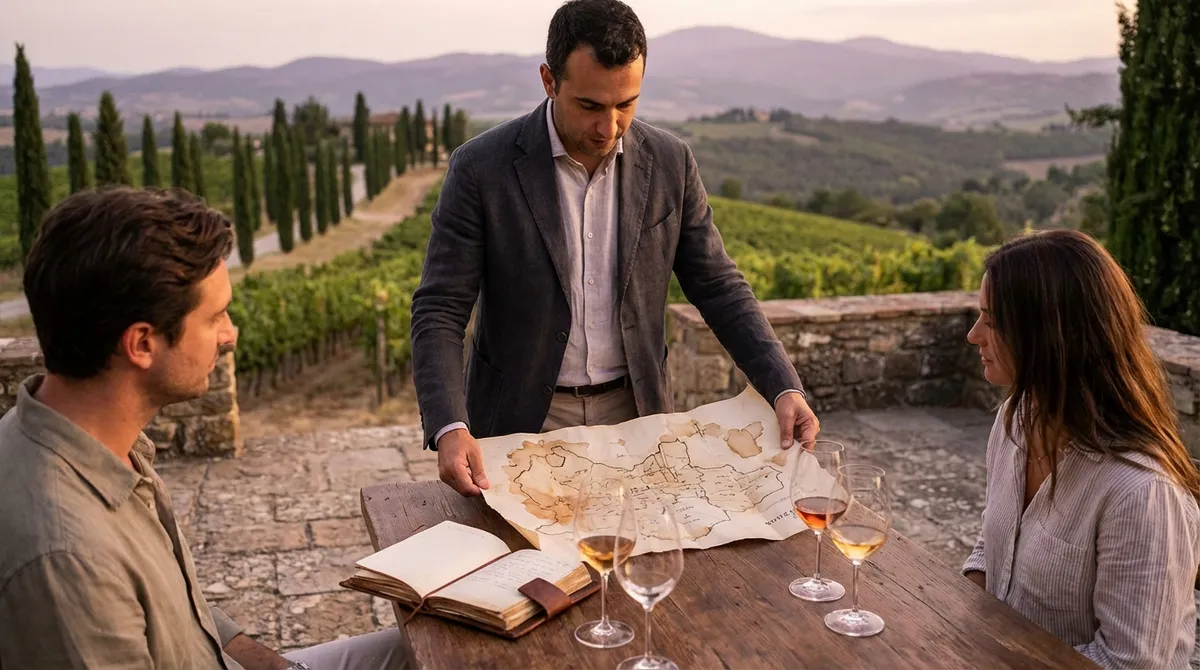
The most memorable wine tours do not announce themselves with spectacle; they unfold in quiet layers. For the serious enthusiast, the aim is no longer to merely visit wineries, but to orchestrate a sequence of encounters—vines, cellars, people, and place—that deepens understanding of wine’s inner architecture. At this level, refinement comes from nuance: the timing of an appointment, the texture of a conversation with a winemaker, the way a single vineyard reveals itself over the course of a day. This guide is designed for those who already love wine and now wish to travel through it with greater precision, intention, and grace.
Designing a Journey Around One Grape, Many Voices
Most wine tours are constructed geographically; the more discerning approach is to build an itinerary around a single variety and its many interpretations. Instead of “a weekend in Napa” or “three days in Burgundy,” imagine “three expressions of Chardonnay in maritime climates,” or “Syrah from granite, schist, and basalt.” This thematic discipline instantly refines your choices and upgrades the quality of your visits.
Begin by selecting a variety with depth and range—Riesling, Pinot Noir, Chardonnay, Nebbiolo, Syrah, or Cabernet Franc are particularly rewarding. Then identify three to five sub-regions where that grape thrives under markedly different conditions: coastal versus continental, cool-climate versus sun-drenched, high altitude versus valley floor. Within each area, seek out producers whose reputations rest on that grape rather than those for whom it is incidental. Your tastings become comparative laboratories: you begin to sense how soil composition, sunlight, and cultural choices sculpt the same variety into radically distinct personalities. By the end of such a tour, you know not only which style you prefer, but why.
The Quiet Power of Seasonality: Choosing the Right Moment
Wine travels are transformed when you align them with the rhythm of the vineyard rather than your own calendar. Every season offers a different lens, and serious enthusiasts can use timing as a curatorial tool. Visiting at the height of harvest immerses you in the kinetic energy of sorting tables, fermentations in full roar, and the split-second decisions that will shape a vintage. Yet an early spring visit, when buds are just breaking, reveals a more meditative side: pruning philosophies, trellising strategies, and the slow choreography that precedes any bottling.
Shoulder seasons—late winter and post-harvest late autumn—are particularly undervalued. With fewer visitors, you often gain longer, more technical conversations with winemakers and vineyard managers, and easier access to library releases and experimental bottlings. Barrel samples in winter afford a rare glimpse into structure before polish; tastings in late autumn can juxtapose just-bottled wines with those nearing maturity, clarifying a producer’s arc. By choosing your moment with intention, you deepen the educational core of your tour while preserving a sense of calm, unhurried luxury.
Reading Between the Rows: Visiting Vineyards as a Primary Experience
Enthusiasts often rush to the tasting room, but for those seeking a more profound connection, the vineyard is the true appointment. Elevating your tour means insisting—politely but firmly—on time among the vines. This is where terroir ceases to be an abstract French word and becomes something you can literally feel under your feet.
Begin each estate visit with a walk through at least one flagship plot. Note slope, row orientation, canopy density, and spacing: are vines tightly planted in narrow rows, or spaced wide in generous blocks? Ask about rootstocks and clone selections for the grape of focus; these technical details, once explained, add texture to your later tasting notes. Observe cover crops, erosion control, and irrigation practices; they reveal environmental priorities that often mirror a producer’s stylistic choices. A meticulous, gently farmed vineyard almost always expresses itself in the glass through precision and clarity; a more rustic parcel might show as wilder aromatics or firmer, more rugged tannins. After such a walk, each sip in the cellar becomes a continuation of a conversation that began in the soil.
Private Libraries and Experimental Lots: Unlocking the Hidden Cellar
For the seasoned wine traveler, the standard tasting lineup is only the preface. The real narrative often resides in library wines, small experimental cuvées, and single-parcel bottlings normally reserved for mailing lists or local clientele. The key is not entitlement but advance preparation and thoughtful curiosity.
When arranging your visit, communicate your level of interest: mention specific vintages you collect, styles you admire from that producer, or prior bottles that impressed you. This signals that you are not merely passing through; you are engaged with their work. Once on site, ask whether there are older vintages available to show evolution, or small-production wines that illustrate a particular experiment—whole-cluster fermentations, amphora aging, extended lees contact, or alternative oak regimes. Tasting a current release beside a library bottle, or a standard cuvée beside a micro-batch trial, illuminates the craftsmanship behind each decision.
These rare pours subtly alter the tone of the visit; the producer moves from host to collaborator in your exploration. You leave not only with distinctive wines, but with an intimate sense of how their thinking has shifted over years, even decades.
Conversational Pairings: Elevating Food and Wine Beyond the Plate
Wine-and-food pairings on tours can feel rote—another plate, another pour. A more refined experience reframes these moments as dialogues, not demonstrations. When considering wine tours that include culinary elements, seek experiences where the chef and sommelier (or winemaker) are in genuine conversation, using the meal to explore specific questions rather than merely exhibit hospitality.
Inquire how dishes are conceived around the wines: are they designed to echo aromatics, emphasize texture, or deliberately create tension? A delicate seafood dish with a high-acid white can highlight freshness, while a richer, umami-driven preparation might reveal the wine’s depth and structure. Vertical pairings—different vintages of the same cuvée alongside a single dish—allow you to perceive how age modulates pairing possibilities: younger wines may cut through richness with their nervous energy; older bottles may knit into the dish with seamless grace.
This approach moves beyond “what goes with what” into “why this works now.” You begin to identify the structural elements—acidity, tannin, weight, aromatic intensity—that make a pairing sing. In doing so, you acquire a transferable skill: the ability to recreate, at home, the kind of harmony you experienced on your travels.
Conclusion
Truly elevated wine travel is less about prestige addresses and more about precision of intent. When you plan around a single grape rather than a postcode, when you choose your season as carefully as your producer, when you insist on time in the vines, when you seek out the hidden corners of the cellar, and when you treat pairings as conversations rather than spectacles, your tour evolves into something far more enduring. You are no longer merely visiting wine regions; you are apprenticing yourself, briefly, to their inner logic.
Such journeys linger long after the luggage is unpacked. Each bottle you open later becomes a portal—not just to a place, but to the specific morning light in the vineyard, the cool of the cellar air, the cadence of a winemaker’s explanation. For the devoted enthusiast, that is the true luxury: a wine tour that does not end when you drive away, but continues to resonate, quietly, in every glass.
Sources
- Wine Institute – World Wine Regions – Overview of major grape varieties and global regions where they thrive
- UC Davis Department of Viticulture and Enology – Research-based insights on vineyard management, grape varieties, and winemaking techniques
- GuildSomm – The Science of Terroir – In-depth exploration of how site, soil, and climate influence wine character
- Decanter – The Four Seasons of the Vineyard – Detailed look at seasonal vineyard work and how timing shapes wine
- JancisRobinson.com – Vertical Tasting and Vintage Variation – Discussion of vertical tastings and the evolution of wines over multiple vintages
Key Takeaway
The most important thing to remember from this article is that this information can change how you think about Wine Tours.