The finest vineyard visits are never about rushing through a checklist of tastings. They are about entering a landscape where time seems to decant itself—slowly, deliberately, with intention. For those who seek more than a poured lineup of vintages, the vineyard becomes a stage for nuance: light on old stone walls, the rhythm of pruning, the measured calm of a cellar at rest. This is where wine lovers evolve into true students of place.
Below, discover five exclusive insights that transform an ordinary winery stop into a quietly luxurious vineyard experience—one that feels less like tourism and more like a private conversation with a region’s soul.
Reading the Vineyard Before the First Pour
Long before a cork is eased from its bottle, the vineyard itself is already speaking. For the attentive visitor, a short walk among the vines can be as revealing as an entire tasting flight.
Notice the spacing between rows; tighter plantings often suggest a pursuit of lower yields and higher concentration, while wider rows can signal a focus on canopy management and machinery access. Observe the ground cover: wild grasses and flowers may point to sustainability and biodiversity, whereas bare earth can indicate a different philosophy of control. The slope of the land, the orientation of the vines to the sun, and the presence of nearby forests or waterways all influence the wines that will eventually reach your glass.
A sophisticated visit begins with unhurried observation. Ask if you can stroll the rows with a guide rather than heading straight to the tasting bar. In that quiet interlude, you will already be forming a mental map of the wines you are about to encounter—a prelude that makes every subsequent sip more meaningful.
The Art of Timing: Visiting Vineyards in Their Most Revealing Moments
The same estate can feel entirely different depending on the season and even the time of day. Those who understand timing can unlock vineyard moments that very few visitors ever experience.
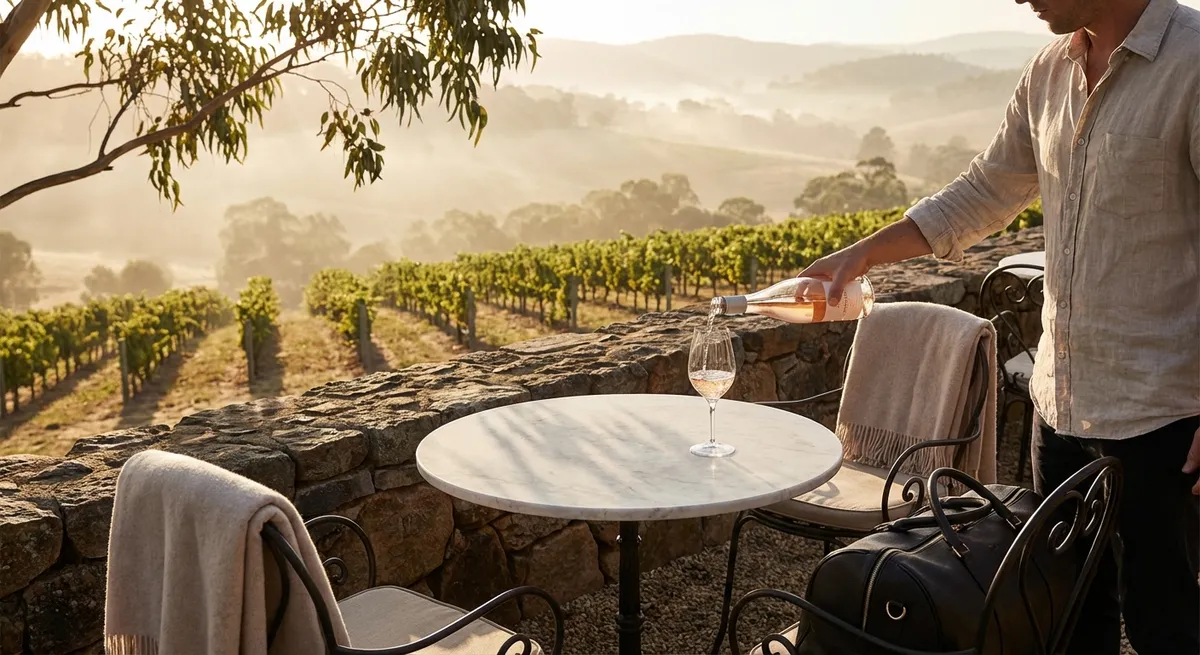
Early morning visits reveal a vineyard at its most contemplative, often with mist still hanging low and temperatures cool enough for aromas of soil and foliage to emerge clearly. Late afternoon casts a gilded light that softens everything and allows you to experience how vines endure the heat of the day. Shoulder seasons, such as late spring and post-harvest autumn, are particularly revealing: flowering and fruit set show the year’s promise, while post-harvest quiet exposes the structural bones of the property once the clusters are gone.
Seek out estates that offer seasonal or time-specific experiences—barrel tastings after harvest, vineyard walks at budbreak, or twilight tours that transition into dinner. Aligning your visit with the vineyard’s own rhythm elevates your experience from a generic tasting to a rare glimpse of the estate’s inner calendar.
From Barrel to Bottle: Requesting Access to the Winemaker’s Thought Process
For those who truly wish to understand a wine, nothing compares to tasting in the cellar with someone directly involved in crafting it. This is where the vocabulary of wine—structure, length, tension, balance—ceases to be abstract and becomes sensorial and precise.
When arranging a visit, inquire whether the estate offers limited-access experiences such as barrel samples, comparative tastings of multiple vintages, or side-by-side explorations of different parcels of the vineyard. These opportunities reveal how subtle shifts in climate, age of vines, or blending decisions influence the finished wine. Tasting a young barrel sample next to its older, bottled counterpart can feel like watching a time-lapse of the wine’s life, from its energetic youth to its composed maturity.
This level of access is never about entitlement; it is about alignment. Wineries that welcome these conversations are inviting you into their decision-making process. Approach it with genuine curiosity and restraint, and you will often be rewarded with a more candid, generous experience than any standard tasting flight can offer.
Elevating the Table: Pairings That Honor the Vineyard’s Voice
Many visitors treat estate dining and food pairings as a pleasant add-on; the discerning traveler understands that they are a powerful interpretive tool. Thoughtful pairings can reveal facets of a wine that remain hidden in a bare-glass tasting.
Seek experiences where the chef and winemaker collaborate closely. Menus built around seasonal, locally sourced ingredients often resonate more harmoniously with the wines, especially when the same soils nourish both vines and produce. A mineral-driven white paired with delicately prepared local shellfish, or a structured red alongside simply grilled meats and herbs grown on the property, can illuminate the region’s character with elegant clarity.
If given the choice, opt for fewer courses with more focused pairings. This allows each wine to be contemplated rather than rushed. Ask about pairings that showcase different vintages of the same cuvée or contrasting styles from distinct parcels. You are not just dining; you are tracing the contours of a terroir with knife, fork, and glass.
Designing a Private Arc: Building a Cohesive Journey Across Multiple Estates
For seasoned enthusiasts, the most rewarding vineyard visits are rarely standalone excursions. They are orchestrated as a coherent narrative across several carefully chosen estates, each contributing a chapter to your understanding of a region.
Instead of visiting as many wineries as possible, select a small number whose philosophies contrast in meaningful ways—perhaps an historic, family-run domaine alongside a meticulous, technology-forward estate and a tiny, low-intervention producer. Arrange your day so that each visit deepens the conversation rather than repeats it: begin with a broad overview of the region, then move toward more specialized, site-specific experiences.
Consider logistical details as part of the luxury. Private transport allows you to maintain a contemplative state between visits; a knowledgeable driver or guide can add historical and cultural context. Plan for pauses—time to sit with a view of the vines, revisit your notes, or simply let impressions settle. The result is not just a series of tastings, but a deliberately composed journey whose elegance lies in its restraint and cohesion.
Conclusion
A vineyard visit, at its most refined, is not defined by how many wines you taste but by the depth of your engagement with each place. When you read the landscape before the first sip, attune your timing to the vineyard’s own cadence, seek the winemaker’s perspective, honor the wines through thoughtful pairings, and design a journey with narrative intent, the experience becomes something rarer than luxury: it becomes personal.
For the traveler who values discretion, nuance, and quiet excellence, these choices transform estate visits into enduring memories—moments when the world slows, the glass reflects the landscape, and the vineyard feels less like a destination and more like a confidant.
Sources
- Wine Institute – Discover California Wine Country - Overview of regional diversity, winegrowing areas, and visitor experiences in California wine country
- Wines of France (French Ministry of Agriculture) - Government-backed introduction to French wine regions and wine tourism practices
- Wine Tourism – European Commission - Insight into wine tourism as part of broader cultural and gastronomic travel in Europe
- Institute of Masters of Wine – Understanding Terroir - Expert discussion on terroir, vineyard factors, and how they shape wine character
- University of California, Davis – Viticulture and Enology Extension - Educational resource on viticulture practices that influence both vineyard management and visitor interpretation
Key Takeaway
The most important thing to remember from this article is that this information can change how you think about Vineyard Visits.