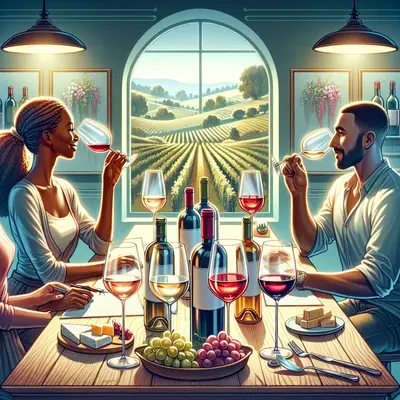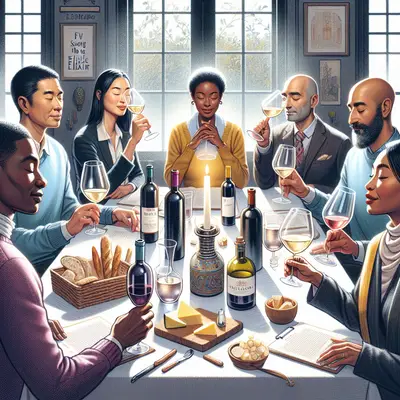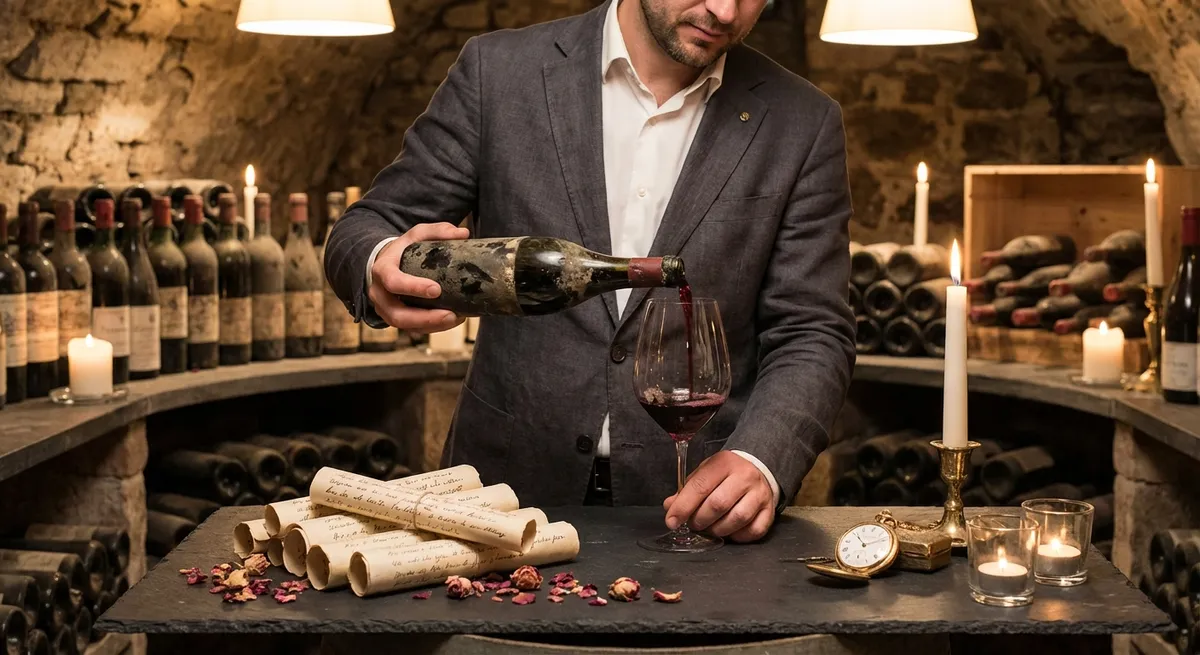
Wine tasting, at its most refined, is less about identifying flavors and more about entering into a quiet dialogue with time, place, and craft. The glass becomes a lens through which history, geology, climate, and human intuition converge. For the discerning enthusiast, each sip is an invitation to notice what others might overlook—the fleeting nuances, the textural subtleties, the way a wine’s character unfolds not in a moment, but over minutes and hours.
This is not an introduction to wine, but an elevation of it. Below, we explore five exclusive insights that transform tasting from a pleasant pastime into a cultivated, deeply personal ritual.
The Architecture of a Sip: Reading Structure Before Flavor
Experienced tasters rarely begin with “What does this taste like?” but rather, “How is this built?” Structure—acidity, tannin, alcohol, and body—forms the architecture that holds a wine together. Learning to feel structure before chasing flavor notes instantly refines your palate.
Start by paying attention to the wine’s energy on the palate. Acidity reveals itself as a quiet, mouthwatering tension; it keeps the wine alive and vivid. Tannins—particularly in red wines—aren’t just “grippy”; notice where they sit (front of the tongue, gums, back of the palate) and whether they feel powdery, velvety, or angular. Alcohol manifests as warmth, sometimes perceived more in the chest than the mouth. Body is the impression of weight and density, from feather-light to almost viscous.
Once you attune to structure, you begin to understand why some wines feel effortlessly drinkable while others demand contemplation. Two wines with similar flavor profiles can feel completely different because their architecture is distinct. Over time, you’ll recognize that truly great wines don’t shout with fruit alone; they balance tension and harmony in a way that feels almost architectural—precise, deliberate, and quietly powerful.
The Time Signature of a Wine: Watching It Evolve in the Glass
Most tastings are rushed encounters: a swirl, a sniff, a sip, a verdict. Yet the most profound wines rarely reveal themselves instantly. They evolve, shifting in intervals like a piece of music with movements. The sophisticated enthusiast understands that the most revealing element of a wine is often not the first impression, but the progression.
Instead of moving quickly from one pour to the next, stay with a single wine over 30–60 minutes. Note the opening—often dominated by brighter, more volatile aromatics. As oxygen enters the equation, secondary and tertiary notes awaken: spices settle into place, fruit recedes or deepens, savory elements emerge, and texture can soften or grow more defined. Some wines unfurl with remarkable grace; others peak quickly then fade. Both patterns are instructive.
Consider treating each glass as a time-lapse. Revisit the nose every few minutes: what was once purely red fruit may develop hints of forest floor, dried rose, or leather. On the palate, the acidity may feel more integrated, the tannins more resolved. This temporal dimension is one of the most exquisite aspects of wine—that a single glass is never quite the same from first sip to last, and the patience to observe that evolution is a hallmark of a truly refined taster.
Silence, Space, and Setting: Curating the Sensory Environment
Serious wine professionals know that the environment in which you taste is not incidental; it can discreetly shape your perception. Subtle factors—ambient noise, lighting, scents in the room, even the texture of the table beneath your hand—can either support or distort the experience in the glass. Creating an intentional tasting setting is one of the most underrated luxuries a wine lover can afford themselves.
Begin with silence or, at most, unobtrusive background sound. Noise competes for cognitive bandwidth; it makes you rush and default to familiar descriptors rather than noticing the subtleties in front of you. Eliminate competing aromas—candles, perfumes, heavily scented flowers—so the wine has the aromatic stage to itself. Neutral lighting, ideally natural or soft white, allows you to see the true color and density of the wine without casting artificial warmth or coolness.
Temperature and glassware matter, but so does the emotional tone of the moment. A tasting shared with one or two attentive companions is very different from one conducted in a large, distracted group. The space between pours—the quiet minutes where you simply sit with the glass—promotes a heightened sensory focus that turns tasting into something almost meditative. The refined enthusiast doesn’t rely on the winery or restaurant to provide this; they learn to curate it, whether at home or on the road.
The Subtle Geography of Texture: Mapping a Wine on the Palate
While most casual descriptions of wine focus on aroma and basic taste (fruit, spice, sweetness, acidity), a more advanced and quietly luxurious approach is to pay attention to where and how the wine expresses itself in the mouth. Texture is the dimension that often distinguishes good from truly compelling.
As you take a sip, track the wine’s path across your palate. Does it glide in a straight line, or does it broaden across the mid-palate? Is there a sense of layering—an initial wash of flavor followed by a denser, more concentrated core? Notice whether the wine feels satin-like, chalky, creamy, crystalline, or almost saline. These textural impressions frequently correspond to factors such as grape variety, soil type, and winemaking choices, but you don’t need to know the technical details to appreciate the effect.
Try tasting two wines side by side that share a grape but differ in origin—say, a cool-climate Pinot Noir compared with one from a warmer region. Rather than focusing first on flavor, observe how they move: where they place their weight, how long that weight lingers, how the finish recedes. With practice, you’ll start to anticipate how certain regions or producers “feel” long before you put language to their flavors. This is where wine begins to transcend description and become an intimate, physical experience.
Listening for Origin: Recognizing a Wine’s Sense of Place
For the seasoned enthusiast, one of the most gratifying skills is the ability not just to enjoy a wine, but to feel its origin—its landscape, climate, and culture—through the glass. The French term terroir is often overused, but at its core lies a meaningful idea: wines can carry the imprint of the places that produced them with remarkable fidelity.
Refining this sensitivity goes beyond memorizing regional flavor clichés. Instead, look for recurring patterns. Cool climates often produce wines with higher acidity, more restrained fruit, and a sense of linear precision. Warmer regions tend toward riper fruit, softer acidity, and more generous, enveloping textures. Mountain fruit can feel taut, vertical, almost lifted; maritime influences may bring a quiet salinity or a sense of freshness even in fuller-bodied wines.
When visiting wineries or traveling through wine regions, step outside the cellar and pay attention to the air, the soil underfoot, the light at different times of day. Then taste with that sensory memory in mind. Over time, you may begin to recognize that certain wines consistently evoke images or feelings linked to their landscapes—coastal brightness, forested coolness, sun-baked stone. This is where the pursuit of wine becomes deeply personal: you’re no longer chasing “the best bottle,” but seeking out the places—and the sensations—that resonate with your own inner landscape.
Conclusion
Wine tasting, when approached with intention and curiosity, becomes something far more nuanced than simply evaluating what is in the glass. It is an exploration of structure rather than just flavor, of time rather than just moment, of silence and space as much as aroma and taste. It is the study of texture as a map and origin as a quiet narrative, unfolding sip by sip.
For the devoted enthusiast, these five insights are not rules but invitations—to slow down, to notice more, and to cultivate a private language with the wines you love. In that language lies the true luxury of wine: not in rarity or price, but in the depth of attention you bring to every carefully considered pour.
Sources
- Harvard T.H. Chan School of Public Health – Alcohol: Balancing Risks and Benefits - Evidence-based overview of alcohol’s effects, helpful for understanding moderation in wine appreciation
- University of California, Davis – Introduction to Wine and Winemaking - Foundational resource on how wine is made and how structure develops
- Wine & Spirit Education Trust (WSET) – Systematic Approach to Tasting Wine - Professional framework for evaluating wine, including appearance, nose, palate, and conclusions
- GuildSomm – Terroir and Site Selection - In-depth exploration of how site and climate influence wine character
- Decanter – Why Does Wine Change in the Glass? - Discussion of wine evolution with air and over time during tasting
Key Takeaway
The most important thing to remember from this article is that this information can change how you think about Wine Tasting.