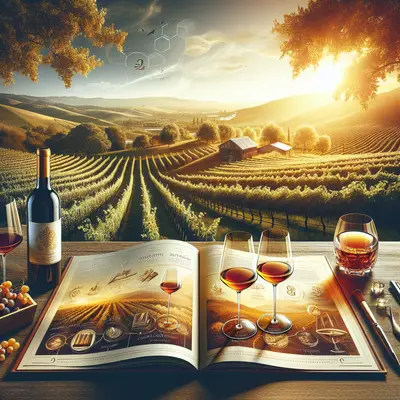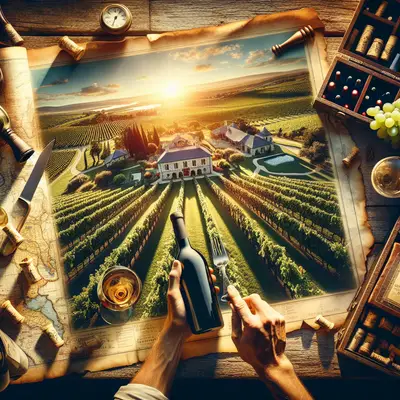
There is a tier of winery that rarely appears in glossy brochures yet quietly defines global standards of excellence. These are the estates whispered about between sommeliers after service, circled in the notebooks of serious collectors, and sought out by travelers who value nuance over notoriety. Premium wineries today are less about spectacle and more about a precise orchestration of land, people, and time. For those willing to look beyond the obvious labels, an entirely different landscape of wine awaits—intimate, exacting, and quietly unforgettable.
The New Hallmarks of Prestige: Beyond Price and Points
For many enthusiasts, “premium” once meant a high price tag, celebratory scores, and scarcity. While these still play a role, the contemporary measure of a truly elevated winery is more subtle. Discerning travelers now ask different questions: How transparently does the estate work with its land? How thoughtfully are visitors received? How deeply are local traditions honored rather than merely displayed?
Prestige has shifted toward coherence—between vineyard practices, cellar philosophy, and the way an estate entertains guests. A winery crafting structured, age-worthy wines yet offering hurried tastings in overcrowded rooms sends conflicting signals. By contrast, a producer with restrained production, rigorous farming, and quiet, carefully staged experiences embodies a more modern definition of luxury. The new benchmark is not how loudly a winery can announce its greatness, but how consistently it can reveal it in small, deliberate details.
Vineyard Intelligence: Where Subtlety Begins
Serious collectors often talk about terroir, but premium wineries increasingly emphasize what might be called vineyard intelligence—the precise, almost surgical understanding of each block, row, and vine. This goes far beyond soil type and sun exposure. It involves long-term observation: which parcels consistently yield the most aromatic fruit, which vines struggle in heat spikes, which sections thrive with slightly later harvest dates.
Many of the world’s most admired estates now integrate advanced tools—detailed soil mapping, canopy imaging, and micro-climate data—not as technology for its own sake, but as a way to fine-tune intuition earned over decades. From an enthusiast’s perspective, one of the most revealing questions to ask during a visit is how the team decides when and where to pick. Listen for the details: separate picking dates for different parcels, tailored canopy management, selective green harvests. The more precise and site-specific the answer, the more likely you are in the hands of a winery that approaches the vineyard as a living, evolving mosaic rather than a uniform field.
Inside the Cellar: The Quiet Architecture of Texture
While visitors often focus on grape varieties and oak types, premium wineries distinguish themselves through a more intricate dimension: the pursuit of texture. These estates think in terms of silk versus satin, graphite versus chalk, not just fruit versus oak. Texture is shaped by myriad small decisions—pressing pressure, fermentation temperature, the choice between native or selected yeasts, lees contact, and the exact moment a wine is first racked.
In the cellars of serious producers, barrels are tools, not trophies. A thoughtful winemaker may use a spectrum of vessels—neutral barrels, large-format oak, concrete eggs, amphorae—to build layers of tactile complexity rather than heavy-handed flavor. As a guest, pay attention to how they discuss élevage, the period between fermentation and bottling. When you hear conversations about preserving tension, balancing weight with lift, or keeping the mid-palate “alive,” you are hearing the language of wineries that craft wines to be felt as much as tasted. That preoccupation with how a wine moves across the palate is a hallmark of true craftsmanship.
Five Exclusive Insights for the Attentive Wine Traveler
Beneath the surface of any impressive winery visit lies a set of quiet signals—details that experienced enthusiasts instinctively notice. These five insights can help you recognize when you’ve stepped into an estate operating at the very highest level.
1. Library Bottles Are a Window, Not a Trophy Case
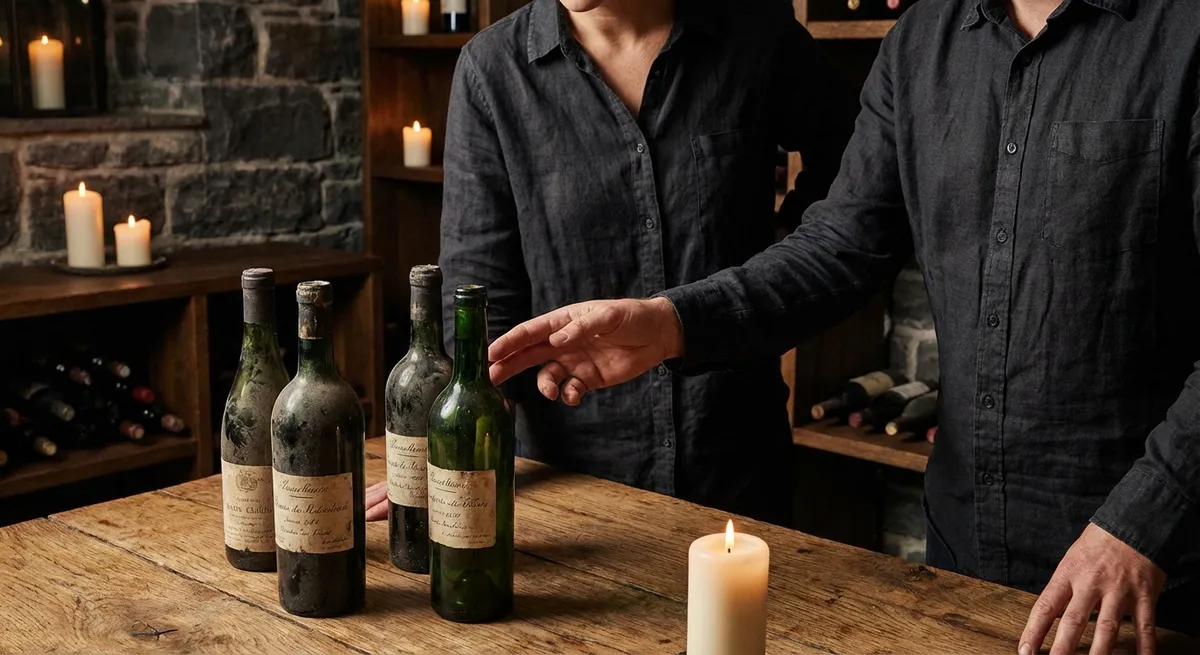
Many wineries display older vintages, but only a few use library wines to genuinely host and educate. At premium estates, access to older bottles is carefully curated: perhaps a single, mature wine offered alongside a current release to demonstrate how the house style ages. If the team can speak fluently about how a specific vintage has evolved—what aromatic shifts have emerged, how tannins have resolved, how acidity has sustained the wine—you gain invaluable perspective on the estate’s long-term vision.
The most refined wineries are protective rather than performative with their library. Instead of offering aged bottles indiscriminately, they frame them as carefully chosen references, allowing you to glimpse the trajectory of the wines without diminishing the integrity of that historical collection.
2. Glassware and Serving Choices Reveal the Winery’s Priorities
In premium spaces, every element of service is intentional, and glassware is perhaps the most revealing. Estates at the highest echelon often partner with advanced stemware producers, choosing shapes that amplify the delicacy of aromatics and texture rather than merely appearing luxurious. You may notice different stems for a structured red and a finely detailed white, or a deliberate choice to use a universal glass for comparative tastings to focus attention.
Temperature, too, is a subtle indicator of seriousness. Whites poured just cool enough to retain nuance rather than icy; reds served slightly below room temperature so that alcohol remains in the background. Observing these decisions offers a quiet confirmation: here is a winery that wants you to experience the wine at its most articulate, not just at its most approachable.
3. The Best Conversations Happen Outside the Tasting Room
In truly premium environments, the most illuminating moments often occur away from the polished counter—on a walk through the vines, in a barrel hall that feels more like a chapel, or in a small anteroom where a winemaker keeps personal notes and samples. If an estate offers you time in these spaces, it is extending a deeper level of trust and transparency.
Ask about vintages the team found challenging, not just the celebrated years. Listen for how they describe adaptation: Did they change canopy practices, experiment with picking windows, or rethink blending decisions? The willingness to discuss imperfection and learning is a strong indicator that the winery’s reputation rests on substance, not just story.
4. Hospitality Is Tailored, Not Scripted
At many wineries, guests receive a polished but standardized experience. Premium estates, by contrast, tend to adjust their approach subtly to each visitor. A host might refine the level of technical detail based on your questions, extend a tasting when your curiosity deepens, or open a less common cuvée that aligns with your stated preferences.
Pay attention to how the team listens. Do they ask what you typically enjoy drinking? Are they interested in where you have visited before, which regions you admire, or what you cook at home? When hospitality feels more like a conversation than a performance, you are likely in a place that regards each visitor not just as a potential customer, but as an informed partner in their narrative.
5. The Estate Extends Beyond Its Boundaries
The finest wineries are not isolated jewels; they are deeply interwoven with their regions. Look for producers who mentor younger winemakers, participate in regional quality initiatives, or collaborate on research into climate adaptation and sustainable practices. This might manifest as membership in a regional consortium, joint tastings highlighting local diversity, or involvement in viticultural trials to support resilience in the face of warming temperatures.
When a winery speaks about its neighbors with respect, highlights other producers in the area, and frames its work as part of a broader landscape rather than apart from it, you are experiencing a more modern form of prestige—one grounded in stewardship and dialogue, not just individual acclaim.
Curating Your Own Premium Winery Journey
Designing an elevated wine tour is less about assembling a list of famous estates and more about curating a sequence of experiences that deepen your understanding of place. Start by identifying regions where terroir is expressed with particular clarity—Burgundy’s patchwork of climats, the varied altitudes of the Douro, or the coastal-influenced valleys of California and Chile. Then look for estates whose philosophy resonates with you: meticulous organic or biodynamic farming, a commitment to restrained extraction, or a focus on age-worthy structure.
When arranging visits, specify the kind of experience you seek. Indicate an interest in vineyard walks, comparative tastings across vintages, or focused sessions on a single varietal or parcel. Many premium wineries will accommodate more technical or immersive formats if they understand that their guest is genuinely engaged.
Finally, approach each tasting as an opportunity to connect threads between estates rather than as isolated events. How does the handling of tannin differ between two producers working with the same grape? How does a single region express itself across multiple soil types? Capturing notes on these interplays—whether in a journal, photographs, or brief voice memos—transforms your journey from a pleasant sequence of stops into a coherent exploration of style, place, and intention.
Conclusion
In the most quietly exceptional wineries, luxury is not a spectacle but an atmosphere—a composed stillness in the cellar, the almost ritual precision of hospitality, the sense that every decision has been made in service of long-term harmony rather than short-term impression. For the discerning traveler, the true reward lies not merely in tasting rare bottles, but in recognizing the invisible architecture behind them: vineyard intelligence, textural craftsmanship, thoughtful service, and a deep connection to both place and community.
As you plan your next journey into wine country, seek out those estates that reveal themselves slowly, through whispered histories and carefully poured glasses. In their restraint, you may find the most enduring form of refinement.
Sources
- Napa Valley Vintners – Understanding Terroir – Overview of how site, climate, and soil shape wine character in a premium region
- Harvard T.H. Chan School of Public Health – Climate Change and Wine – Insight into how serious wineries are adapting viticulture to a warming climate
- Wine Institute – Sustainable Winegrowing in California – Details on advanced sustainability practices adopted by leading producers
- Institute of Masters of Wine – What Is Fine Wine? – Professional perspective on the attributes that define truly premium wines
- OIV (International Organisation of Vine and Wine) – Vitiviniculture Statistics – Authoritative global data on wine production and trends in quality-focused regions
Key Takeaway
The most important thing to remember from this article is that this information can change how you think about Premium Wineries.