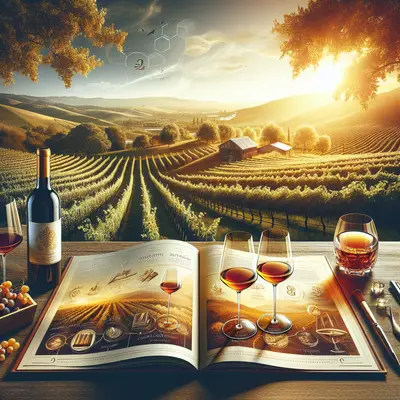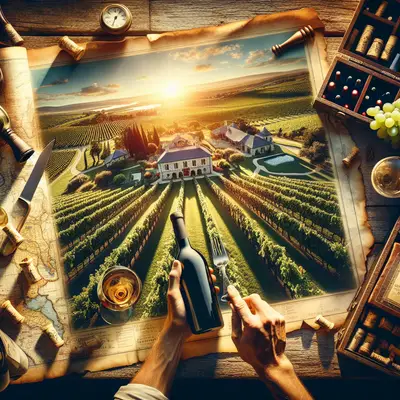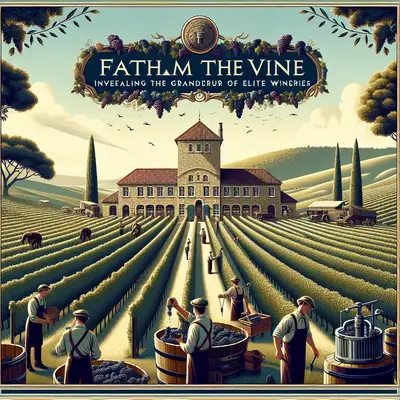
To the attentive traveler, premium wineries are more than destinations; they are whispered conversations between land, time, and craft. Beyond polished tasting rooms and meticulously manicured rows of vines lies a quieter realm—one where nuance is prized over spectacle, and refinement reveals itself in details most visitors never notice. For the wine enthusiast seeking something more profound than a photo at the bar, understanding this world means learning to read the subtle language of truly elevated estates.
Below, you’ll find five exclusive insights that open the door to that language—clues that distinguish a merely expensive winery from a genuinely premium one, and that help you curate wine tours worthy of your most discerning palate.
1. The Signature of Place: When a Winery Lets Its Terroir Speak Softly
At truly premium wineries, “terroir” is not a marketing word; it is the central philosophy. Rather than chasing a uniform, crowd-pleasing profile, the estate leans into the character of its site—even when that character is demanding.
You notice it first in the vineyards: blocks are farmed almost as individual personalities. Slight shifts in slope or soil texture dictate different pruning, canopy management, or harvest dates. The best wineries rarely talk about “the vineyard” in the singular; they talk about parcels, exposures, and microclimates with the familiarity of old friends.
In the glass, this devotion shows up as precision and restraint. Alcohol levels are balanced, not bombastic. Aromas are detailed rather than loud: graphite instead of generic “dark fruit”; crushed stones instead of vague “minerality.” Premium estates often embrace vintages with personality—warmer years, cooler years, leaner expressions—because they value authenticity over consistency at all costs.
When planning your wine tour, pay attention to how a winery describes its land. Do they speak in broad regional clichés, or can they point to exact rows and soils that give each cuvée its identity? The more specific and site-driven the story, the more likely you are standing in a place where terroir is genuinely in command.
2. Precision in the Cellar: Invisible Choices that Shape Extraordinary Texture
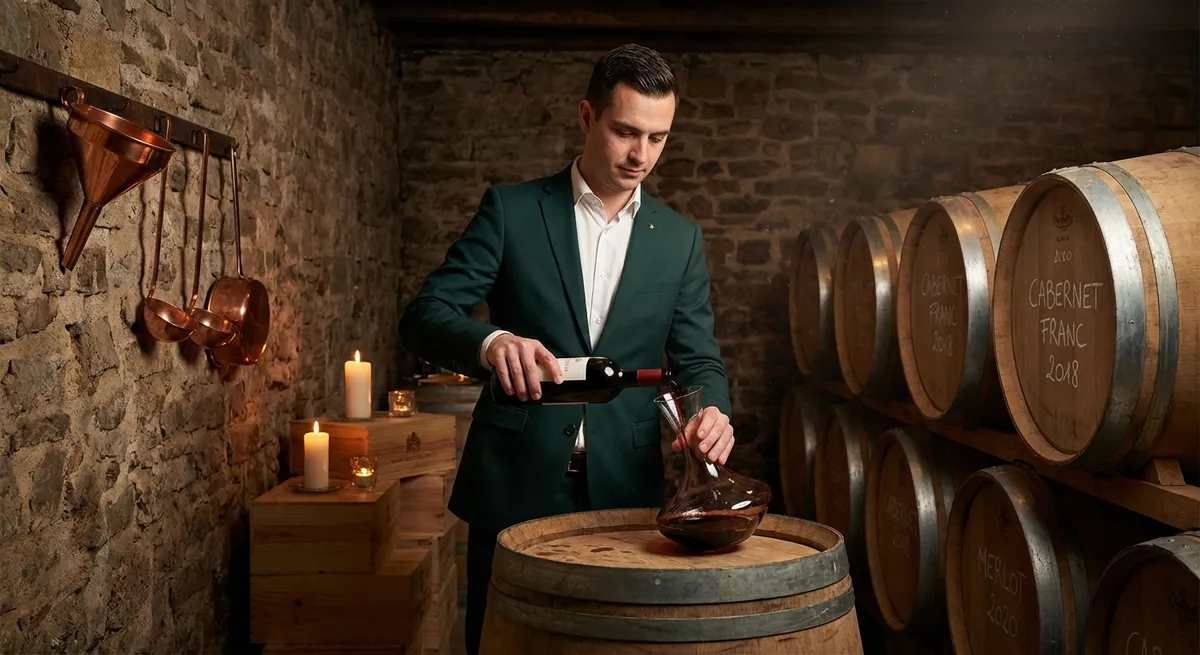
The cellars of premium wineries may appear serene, but every stainless-steel tank and oak barrel represents a series of highly deliberate choices. The truest sign of a refined estate is not how much technology they own, but how intelligently and sparingly they use it.
Gentle handling is paramount. Grapes may be moved by gravity instead of pumps, or sorted at multiple stages to ensure that only pristine fruit enters the fermenter. Temperature control is used as a scalpel, not a sledgehammer—guiding fermentations rather than overpowering them. Many of the world’s most revered wineries blend traditional techniques (large-format oak, concrete, or clay amphorae) with precise modern tools, creating a subtle balance between heritage and innovation.
For the enthusiast, the key is to listen for intent. Ask why they choose a particular cooper or barrel toast. In premium cellars, oak is never about masking flaws; it is about shaping texture and framing aromatics. Winemakers will talk about tannin “grain,” about how a certain vessel encourages a more vertical or horizontal expression of flavor, or how lees aging can create a silk-like mid-palate.
What you’ll taste, when all these invisible decisions align, is quiet authority: wines where nothing protrudes, where power feels weightless, and where texture is as memorable as flavor.
3. Curated Hospitality: Experiences Designed Around the Attentive Guest
Premium wineries understand that their most devoted visitors are not looking for volume tastings; they’re seeking depth. The hallmark of a refined estate visit isn’t how many wines you sample, but how thoughtfully the experience is choreographed around your curiosity.
Tastings are often seated, unrushed, and intentionally timed to avoid crowding—even on busy days. Your host is more akin to a private guide than a salesperson, prepared to adapt the conversation to your level of knowledge, whether you want a technical discussion of phenolic ripeness or a more sensory exploration of aroma and structure.
Look for subtle luxuries rather than overt opulence: customized tasting flights that highlight vineyard comparisons, vertical tastings spanning multiple vintages, or side-by-side tastings of different winemaking approaches. Some estates may offer quiet lounges overlooking specific vineyard blocks, allowing you to taste the wine while gazing at the exact parcel in your glass.
When planning, pay close attention to how appointments are handled. Premium wineries often favor small-group or private bookings, request information about your preferences in advance, and limit daily visitor numbers. This is not exclusivity for its own sake; it’s about protecting the integrity of the experience—for you, and for the wines.
4. The Art of Restraint: Collectibility, Cellaring, and the Luxury of Time
In a truly premium context, luxury is measured less in immediate impact and more in how gracefully a wine engages with time. These wineries craft bottles intended not just for drinking, but for evolving—quietly, patiently—over years or even decades.
Production volumes are often deliberately small, but scarcity alone does not make a wine worthy of your cellar. What matters is structural integrity: acidity that feels vibrant rather than sharp, tannins that are finely woven rather than coarse, and a core of fruit and savoriness that promises complexity rather than fatigue.
The clearest sign of a winery’s confidence in its wines is the way it treats older vintages. Some estates hold back library stocks to release later, allowing you to experience how their wines age at the source. Others may pour a mature bottle alongside a current release, not as a spectacle, but as a quiet demonstration of their long-term vision.
When visiting, inquire about recommended drinking windows, storage suggestions, and how different cuvées evolve over time. Premium wineries will speak in decades, not just years. They recognize that your purchase is not simply a bottle, but a future moment—an anniversary dinner, a reunion, an intimate celebration—waiting to be uncorked when both you and the wine are ready.
5. Beyond the Bottle: How Premium Wineries Express Their Values
The finest estates understand that true luxury today is inseparable from integrity. Their decisions in the vineyard, cellar, and tasting room are guided by values that extend far beyond aesthetics: environmental stewardship, thoughtful labor practices, and long-term commitment to their communities.
Sustainability at this level is rarely a marketing veneer; it is embedded in daily operations. You may notice organic or biodynamic certification, but even without official labels, high-caliber wineries often prioritize soil health, biodiversity, and water conservation. Cover crops between rows, owl boxes for natural pest control, and restrained irrigation policies are not trends—they are non-negotiables.
Equally telling is how a winery speaks about its people. Do they celebrate the vineyard team, not just the winemaker? Are multi-generational workers and local partnerships part of the story? Many premium estates invest in training, fair wages, and long-lasting relationships, recognizing that precision in the glass begins with respect in the field.
As a guest, you participate in this ecosystem. Choosing to visit and support wineries that align with your values adds another dimension to your tour: you’re not only tasting excellence, you’re endorsing a vision of how excellence should be created. In the modern landscape of wine, that alignment is itself a refined luxury.
Conclusion
Premium wineries reveal their character in whispers rather than shouts: in the way they honor their land, in the quiet rigor of their cellars, in the deliberate intimacy of their hospitality, in their reverence for time, and in the principles that shape every decision behind the scenes.
As you design your next journey through wine country, let these five insights guide you. Ask deeper questions, seek more intentional experiences, and look for the subtle cues that distinguish the truly exceptional from the merely impressive. In doing so, you transform your wine tour from a pleasant outing into a cultivated adventure—one where every encounter, every pour, and every conversation is calibrated to the highest echelon of taste.
Sources
- [Napa Valley Vintners – What Makes Napa Valley Unique](https://napavalley.wine/about-napa-valley/what-makes-napa-valley-unique/) – Explores how terroir, climate, and geography shape premium wine regions
- [Institut des Sciences de la Vigne et du Vin (University of Bordeaux)](https://www.isvv.u-bordeaux.fr/en/) – Research and education on viticulture and oenology, including advanced cellar and vineyard practices
- [Wine Institute – Sustainable Winegrowing Practices](https://www.wineinstitute.org/our-work/environmental-sustainability) – Details sustainability standards and initiatives among leading wineries
- [Decanter – The Science of Aging Wine](https://www.decanter.com/learn/the-science-of-aging-wine-329188/) – Explains structural and chemical factors that allow premium wines to age gracefully
- [California Department of Food and Agriculture – Organic Integrity Program](https://www.cdfa.ca.gov/is/organicprogram.html) – Provides background on organic certification and integrity standards in agricultural production, including vineyards
Key Takeaway
The most important thing to remember from this article is that this information can change how you think about Premium Wineries.