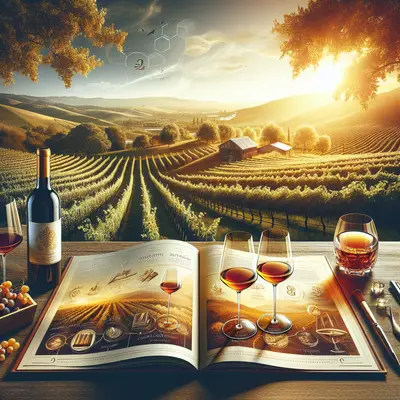
There is a tier of wine hospitality that rarely appears in glossy brochures or public tour listings. It exists behind unmarked gates, in tasting rooms without posted hours, and in vineyard rows where the conversation is as carefully curated as the pour. These are the premium wineries that treat each visit as a private concerto rather than a public performance—crafted, intimate, and deeply intentional. For travelers who seek more than a standard flight at a crowded bar, understanding what truly distinguishes these estates is the first step toward experiencing them on their own terms.
Redefining “Premium”: Beyond Price and Scarcity
In the realm of serious wine travel, “premium” is not a synonym for “expensive.” It is a shorthand for a particular philosophy—one in which time, precision, and discretion are treated as core ingredients alongside soil and climate. While rare bottles and elevated price points are common in this echelon, they are consequences, not objectives.
Premium wineries tend to restrict production deliberately, not merely to cultivate exclusivity, but to maintain absolute control over quality. Vineyard decisions are made parcel by parcel, sometimes vine by vine, with an emphasis on balance rather than power. The architecture, interiors, and guest spaces are similarly calibrated: no spectacle for spectacle’s sake, but a subtle choreography of light, acoustics, and materials designed to quiet the mind and sharpen the senses. The result is an environment where every element—from the stemware to the pacing of each course—is orchestrated to foreground what is in the glass, not what surrounds it.
The Hidden Cartography of Top Parcels
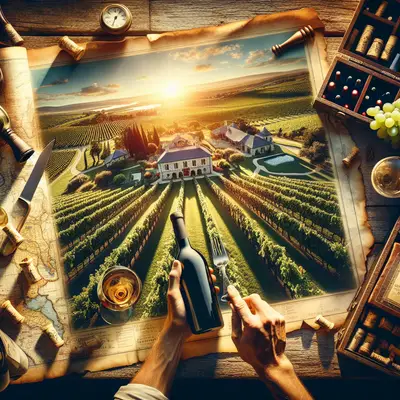
One of the most revealing distinctions of premium wineries is the way they think about land—not as a single vineyard, but as a constellation of micro-sites, each with a specific voice. This is where the language of “blocks,” “parcels,” and “single-vineyard” bottlings begins to matter in a tangible way for the visitor. On a typical tour, you are shown a view; at a premium estate, you are shown a map.
Enthusiasts granted access to these properties often find themselves standing in a precise row that corresponds to a numbered parcel on a vineyard diagram, tasting a wine that originates solely from that demarcated slope. Elevation, soil type, drainage, and exposure are not abstract concepts but immediate, sensory experiences: you feel the temperature drop as you step into a lower-lying block, or notice the wind as it funnels through a particular corridor of vines. Premium wineries use this “micro-cartography” to guide visitors through their range, revealing that what separates a flagship cuvée from an entry-level bottling is not just barrel regimen, but the intimate personality of place.
For the informed traveler, learning to ask about parcels, slope orientation, and soil composition transforms a visit. It encourages more nuanced questions—why this clone on this rootstock here—and unlocks a deeper understanding of how precise vineyard choices manifest as texture, energy, and length in the finished wine.
Time as the Ultimate Luxury: Cellar Choices You Rarely See
At the highest level, luxury in wine is ultimately measured in time. Premium wineries invest years—sometimes decades—in practices that are invisible on a casual visit, yet immediately recognizable in the glass to those who understand them. Long élévage (maturation time), restrained yields, and conservative release schedules all signal a commitment to allowing the wine to articulate itself fully rather than rushing to market.
Rather than relying solely on new oak as a symbol of prestige, these estates often employ a sophisticated mix of barrel sizes, ages, and origins, or even large-format foudres and concrete vessels, to preserve precision and freshness. Malolactic fermentation may be selectively induced or suppressed depending on the cuvée and vintage, not as a stylistic gimmick but as a structural decision. Extended lees aging, gentle clarification methods, and a reluctance to fine or filter when possible further reflect a belief that complexity should not be polished away in pursuit of simplicity.
For guests, the most telling insight is often found in the library. When a winery is willing to pour older vintages alongside current releases, it is quietly inviting you to judge its work across time, not just through the charm of a youthful wine. The opportunity to taste verticals—multiple vintages of the same wine—allows enthusiasts to perceive the rhythm of the estate’s choices: how it responds to warm versus cool years, how tannins resolve, and how the house style persists or evolves. In this context, a premium visit becomes an encounter with time itself, rendered in successive glasses.
Hospitality in Low Relief: The Art of the Understated Visit
The hospitality at premium wineries is rarely theatrical. Instead, it is characterized by understatement and a kind of cultivated quiet. You may be greeted by a senior member of the winemaking or vineyard team rather than a front-of-house host, and the conversation will likely lean toward process, philosophy, and provenance over tasting-room patter. This is hospitality designed to reward curiosity and attentiveness.
Details are subtle but decisive: tastings that progress from more transparent wines to denser cuvées, seating that encourages conversation at eye level, lighting that flatters the color of each pour without glare. Fresh glassware for every wine is standard, as is precise serving temperature and generous time in the glass before moving on. In some cases, thoughtfully chosen pairings—artisan cheeses, seasonal bites, or regional specialties—will be presented not as a meal, but as an interpretive tool to highlight structure, acidity, or aromatics.
Perhaps the most exclusive element is the tempo. Premium wineries resist the compressed scheduling that defines much of wine tourism. Appointments are spaced to avoid overlap, allowing guests to linger in a barrel room as a story unfolds, or to walk through a vineyard without watching the clock. The luxury here is not only what you taste, but how unhurriedly you are invited to taste it.
Five Exclusive Insights for the Attentive Enthusiast
Within this rarified segment of wine hospitality, a handful of insights can dramatically deepen your experience and distinguish a merely pleasant visit from a memorably privileged one:
- Access often begins with your glass, not your status. Premium wineries pay close attention to informed, loyal customers—those who buy thoughtfully, ask precise questions, and show engagement over time. Joining mailing lists, attending smaller regional events, and building a quiet but consistent purchasing history can open doors that are never advertised.
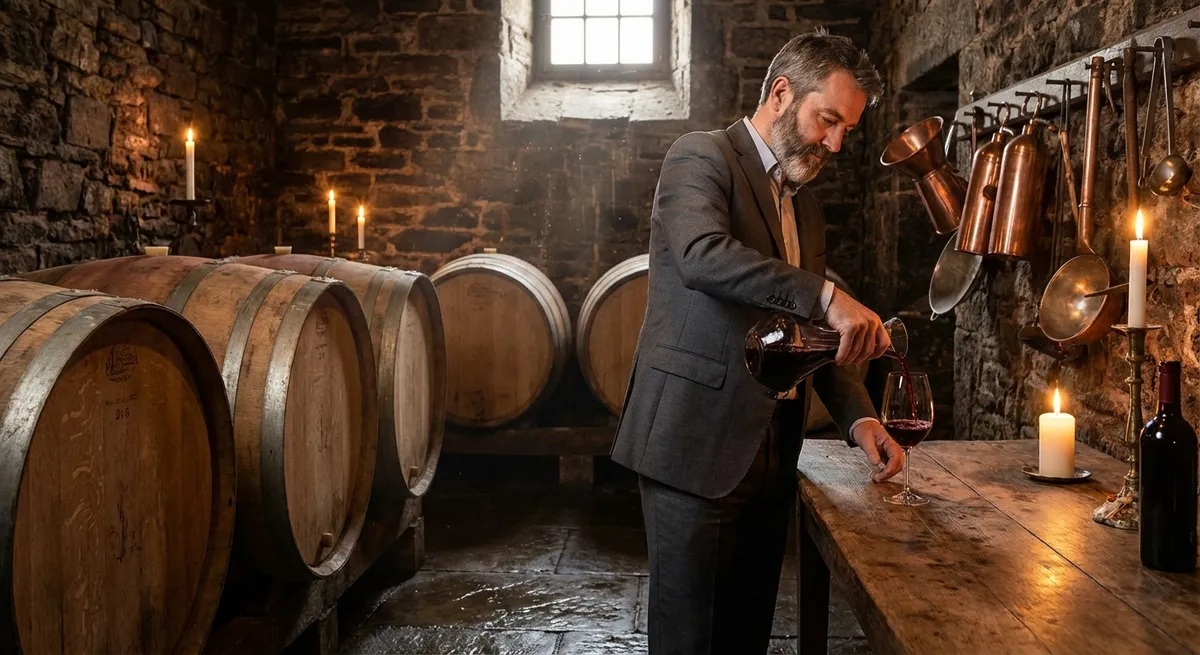
- The most important room may not be the tasting room. Barrel cellars, blending spaces, and even vineyard blocks are where a winery’s true priorities are revealed. When a visit includes time in these working environments, it signals a willingness to share not just the finished product, but the thought process behind it. Asking to see experimental blocks or trial barrels, when appropriate, can unlock a richer dialogue.
- Not all “reserve” labels are created equal. At premium estates, the top cuvées are often defined by vineyard origin and rigorous selection, not simply by additional time in oak or a higher price tag. Understanding the internal hierarchy—estate, single-vineyard, parcel selection, or “super-blend”—allows you to appreciate why certain wines are considered the pinnacle of the portfolio.
- *The most revealing questions are often about what they didn’t do. Rather than asking only which barrels were used or how long the wine was aged, inquire about what the team chose to forgo: blocks they excluded from a blend, techniques they abandoned, or vintages they declassified. Premium wineries are often defined as much by their restraint as by their interventions.
- True exclusivity is frequently quiet, not showy.* Many of the most significant experiences—off-menu tastings, cellar previews, or impromptu verticals—arise in response to genuine enthusiasm and informed conversation, not conspicuous consumption. A respectful, inquisitive approach, coupled with an understanding of the wines and their context, often leads to opportunities that no itinerary can formally guarantee.
These insights do not require insider connections so much as they require patience, attention, and a willingness to approach each estate as a long-term relationship rather than a single transaction. In the world of premium wineries, the rarest experiences are reserved not for the loudest guests, but for the most observant ones.
Conclusion
To step into the orbit of premium wineries is to enter a culture that values refinement over spectacle and depth over immediacy. The finest estates operate almost like private salons: discreet, exacting, and devoted to a quietly uncompromising standard of excellence. For those willing to engage on those terms—to study the contours of a hillside, to listen closely in the barrel room, to track a cuvée across vintages—the reward is an experience in which every pour feels both inevitable and singular.
In this tier of wine travel, the journey becomes less about accumulating visits and more about cultivating understanding. The most lasting souvenirs are not bottles alone, but the memory of how a place, a season, and a philosophy converged in the glass at a precise moment in time—a moment shared, if you are fortunate, with those who know that vineyard row by heart.
Sources
- Wine Institute – Economic Impact of the Wine Industry – Provides data and context on the scale and significance of the wine sector, including premium producers
- Harvard Business School – “Terroir: How Much is a Wine’s ‘Place’ Worth?” – Explores the concept of terroir, land differentiation, and its economic and qualitative impact on fine wine
- Decanter – Inside Bordeaux’s Top Châteaux Cellars – Offers insight into cellar practices, ageing choices, and how top estates manage time and élevage
- UC Davis Department of Viticulture and Enology – Authoritative resource on viticulture and winemaking techniques used by quality-focused producers
- JancisRobinson.com – The Hierarchy of Fine Wine – Discusses how top estates define and communicate quality tiers, including single-vineyard and reserve bottlings
Key Takeaway
The most important thing to remember from this article is that this information can change how you think about Premium Wineries.