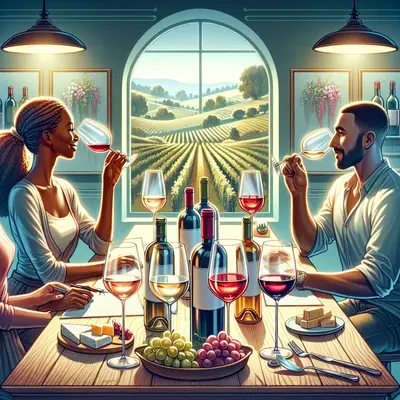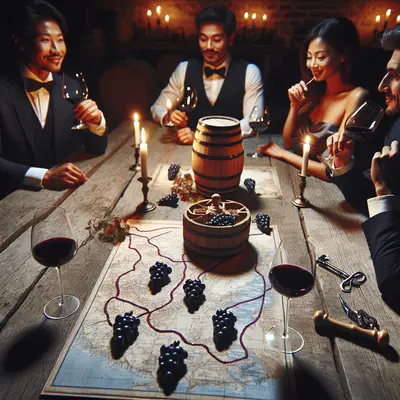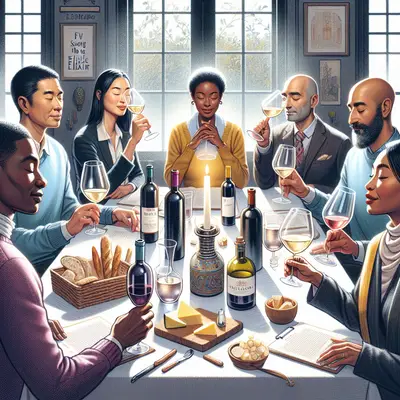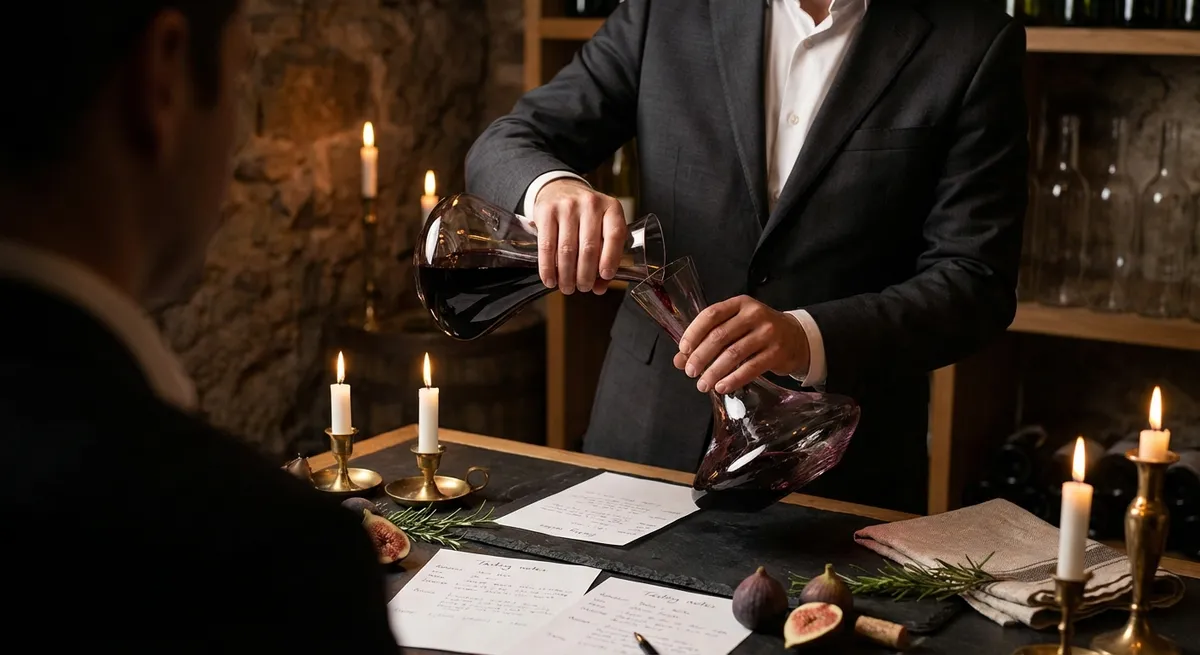
Wine tasting, at its most refined, is less an activity than a quiet ritual—an intentional slowing of time in a glass. Beyond the familiar swirl-and-sip lies a more intricate, deeply rewarding experience that seasoned enthusiasts pursue with near-obsessive care. This is where each pour becomes a conversation: between vineyard and vintage, between terroir and technique, and finally, between the wine and you.
For those already past the basics, the true pleasure begins in the subtleties. The following five insights are crafted for the enthusiast who has moved beyond “red or white,” and into the realm of nuance, patience, and precision.
The Art of Arrival: Preparing Your Palate Before the First Pour
A sophisticated tasting doesn’t begin with the first sip; it begins well before you arrive at the winery or uncork at home. Your palate is an instrument, and like any finely tuned tool, it requires thoughtful preparation.
Minimize strong flavors in the hours leading up to a tasting—no menthol, no heavily spiced dishes, no aggressive coffee. Opt instead for neutral foods (plain bread, mild cheeses) and ensure you are well hydrated; water clarity translates into palate clarity. Temperature also matters more than many admit: arriving overheated or chilled can blunt perception. Give yourself a few quiet minutes to acclimate, breathe, and let your senses settle before you taste.
When traveling between wineries, resist the temptation to graze on flavored snacks or sweetened beverages in the car. A simple bottle of still water and a small piece of plain baguette will serve you far better than anything dusted with salt or spice. Treat your palate with the same respect you might grant a concert hall before a performance—empty, resonant, and waiting.
Structure Before Aroma: Reading the Wine’s Architecture
Most tasters are taught to chase aromas first, but serious enthusiasts know that a wine’s true character is often revealed through its structure. Think of structure as the wine’s architecture: the interplay of acidity, tannin, alcohol, body, and texture.
Begin by taking a small sip and momentarily ignoring the bouquet. Instead, ask yourself: How does the wine move? Is it linear or expansive? Does it glide, or does it grip? Focus on the attack (the first impression), the mid-palate (where shape and volume emerge), and the finish (how long and in what form the wine lingers).
Acidity will register as lift and freshness, often creating a mouthwatering sensation along the sides of your tongue. Tannins show up as texture and grip—powdery, silky, chalky, or firm—primarily on your gums and the front of your teeth. Alcohol expresses itself not simply as “heat,” but as a sense of weight and warmth, especially at the back of the throat. Once you’ve mapped these elements, return to aroma and flavor; you’ll find that the wine’s structure frames its scents and tastes with far greater clarity.
Time in the Glass: Letting Patience Do the Tasting for You
The most profound wines rarely reveal themselves on command. They unfold in layers, benefitting more from time in the glass than theatrical swirling. Enthusiasts who value nuance learn to taste not just a wine, but its evolution.
Pour a moderate amount into your glass and resist the urge to finalize your judgment immediately. Smell, sip, and then wait. Over ten, twenty, even thirty minutes, take small, deliberate revisits. Notice how the fruit shifts—from primary to more nuanced, often darker tones—how floral notes may emerge, or how initially shy mineral and herbal characters begin to speak more clearly.
This practice is particularly revealing with structured reds and high-acid whites. A young Barolo, a serious Cabernet, or a finely made Riesling can seem closed at first, only to unfurl into something remarkably articulate once given air and time. When visiting wineries, ask if you may return to a previous pour after a short interval; this single act often separates the casual taster from the truly attentive.
Tasting Beyond the Glass: Environment as a Quiet Co-Conspirator
The setting in which you taste may seem incidental, but it exerts a quiet, powerful influence over your perception. Light, sound, scent, and even the physical comfort of your seating can alter the way you experience a wine.
Natural, indirect light allows you to read color accurately, while harsh or colored lighting can distort both appearance and mood. Strong ambient scents—room diffusers, perfumes, nearby kitchens—can cloud your ability to discern delicate aromatics. Even sound plays a role: a calmer, acoustically gentle space encourages longer, more contemplative tasting, where nuance has room to be noticed.
Whenever possible, choose a tasting environment that feels composed rather than crowded. Sit where distractions are minimized and where the glass, not the room, takes center stage. On wine tours, this might mean stepping just outside the main tasting bar to a quieter corner or patio, or timing your visit for a less busy hour. Excellence in wine is often subtle; your surroundings should help you notice, not compete for your attention.
Building a Personal Lexicon: Describing Wines with Precision and Restraint
As enthusiasm deepens, so does the desire to describe what you are tasting. Yet the most compelling tasters use language with both precision and restraint. Rather than reciting a long list of fruits and spices, they seek to capture the wine’s core personality.
Begin by categorizing in broad strokes: Is the wine primarily fruit-driven, earth-driven, floral, or mineral? Is its overall impression luminous and lifted, or dark and brooding? Once you’ve established this, refine your descriptors—citrus vs. stone fruit vs. tropical; forest floor vs. dried herbs; chalk vs. wet stone. The goal is not poetic excess, but accurate evocation.
Develop a small, consistent personal vocabulary and use it intentionally. Over time, you will notice patterns: certain regions yielding similar textural signatures, particular varieties expressing recurring aromatics in specific climates. This lexicon becomes your private map—one that enriches each new tasting and makes your experiences easier to recall, share, and compare.
Conclusion
Elevated wine tasting is not about performing expertise; it is about cultivating presence. Preparing your palate with intention, reading the wine’s structure before its perfume, allowing time to reveal new dimensions, curating your environment, and refining your language—these are the quiet disciplines that turn each glass into a deeper conversation.
For the devoted enthusiast, these practices transform a tasting room visit or a simple evening pour into something more enduring: a ritual of attention, patience, and discovery. In that space, wine becomes what it has always aspired to be—not just a beverage, but a finely crafted lens through which to experience place, time, and craft at their most eloquent.
Sources
- [Wine Flavor 101 – University of California, Davis](https://winestudies.ucdavis.edu/wine-flavor-101) – Overview of how we perceive wine flavor, including structure and sensory components
- [Serving and Storing Wine – Wine Institute](https://www.wineinstitute.org/our-industry/education-and-resources/serving-and-storing-wine) – Guidance on temperature, glassware, and conditions that affect tasting
- [How to Taste Wine – Wine Spectator](https://www.winespectator.com/articles/how-to-taste-wine) – Practical framework for serious wine tasting, including appearance, nose, and palate
- [Wine Tasting Techniques – Court of Master Sommeliers](https://www.mastersommeliers.org/wine-education/wine-tasting-techniques) – Professional approach to structured tasting and evaluation
- [Wine and Food Pairing Basics – Cornell University](https://blogs.cornell.edu/wineandfoodpairing/) – Academic perspective on sensory perception, palate interaction, and context in wine enjoyment
Key Takeaway
The most important thing to remember from this article is that this information can change how you think about Wine Tasting.