Wine tasting, at its highest expression, is less an activity and more a ritual—an intimate conversation between place, time, and the person holding the glass. Beyond swirling, sniffing, and sipping lies a quiet discipline: the ability to notice what others overlook. For the discerning traveler and devoted enthusiast, the true luxury of wine is not merely in labels or price points, but in the depth of attention brought to each encounter.
This is where wine tasting becomes an art of presence—elevated, deliberate, and unmistakably personal.
The Silent Architecture of the Glass
Before a single drop touches the palate, the glass has already begun to shape the experience. The finest tastings feel “effortless” precisely because great care has been taken with the architecture of the stemware.
Subtle differences in bowl diameter, rim thickness, and taper subtly direct the wine to specific areas of the tongue and influence how aromas are captured and released. A narrower bowl heightens primary aromatics in delicate whites; a wide, rounded bowl allows oxygen to unfold the layered complexity of structured reds. Thin glass is not simply an aesthetic preference—it minimizes interference between lip and liquid, allowing the temperature and texture of the wine to be perceived with clarity.
Serious enthusiasts often travel with a preferred universal glass—one elegant, well-balanced stem that can do justice to both champagne and nebbiolo. In a premium setting, noting how the winery chooses its glassware reveals its philosophy: are they emphasizing varietal precision, or a more holistic, immersive experience? In the quiet geometry of the glass, you can already sense how seriously the estate takes your time.
Time in the Glass: Reading the Wine’s Evolving Story
Most tastings rush past the single most luxurious element in wine: time. Exceptional bottles are not static; they are narratives unfolding in the glass. The practiced taster treats the first pour not as an answer, but as a prologue.
The initial aromatics often show the wine at its most tightly composed—slightly reserved, even angular. As oxygen begins its slow, transformative work, perfumes lengthen and soften; sharp edges give way to texture, and tertiary notes—dried flowers, forest floor, truffle, tobacco—emerge with quiet insistence. A truly thoughtful tasting is structured to allow for this evolution: returning to the same glass over ten, twenty, or even thirty minutes.
One of the subtler skills of the enthusiast is recognizing when a wine is in a “closed” phase—aromatically mute or restrained, especially with age-worthy reds. Rather than dismissing the wine, the experienced taster steps back, watches the clock, and lets temperature and oxygen do their work. To sit in conversation with a single glass across half an hour is to witness, in miniature, the arc of the wine’s life—youth, openness, complexity, and, eventually, a gentle settling.
Texture as a Language: Tannins, Acidity, and the Feel of Luxury
While beginners focus primarily on flavor, seasoned tasters know that the true fingerprint of a wine lies in its texture. The way a wine moves across the palate—its weight, shape, and cadence—is where its character reveals itself most clearly.
Tannins, for instance, can be coarse, powdery, cashmere-soft, or delicately filigreed along the gums. Fine wine rarely shouts with bitterness; instead, it lingers with a kind of structured grace, firm enough to provide architecture yet gentle enough to invite the next sip. Likewise, acidity—too often reduced to “high” or “low”—can be felt as a taut, linear spine, a gentle lift at the edges, or a precise, crystalline tension that keeps even opulent wines from feeling heavy.
In this realm, vocabulary matters less than awareness. Rather than asking “What does it taste like?” the more revealing question becomes “How does it move?” Does the wine rush, glide, or unfurl slowly? Does it arrive in a single wave or in layered stages? Prestigious bottles are often distinguished not by intensity of flavor but by the refinement and persistence of their textural impression—an elegance noticed more readily by the tongue than by words.
Context as a Quiet Luxury: Atmosphere, Season, and Setting
The most refined tastings understand that wine does not exist in a vacuum. Temperature, light, sound, and season shape perception as vividly as any vineyard slope. Premium estates often curate their spaces with an almost invisible precision—subdued acoustics, natural light, understated design—so that nothing competes with what is in the glass.
An autumn tasting of structured reds, accompanied by the faint scent of wood smoke outside and a gentle chill in the air, frames the wine differently than a summer terrace encounter with mineral-driven whites. The same bottle of chardonnay enjoyed in a quiet, climate-controlled tasting salon may feel more pure and linear; tasted at sunset overlooking the estate, it might seem more generous, more romantic, subtly shaped by emotion and environment.
The experienced traveler learns to tune into these contextual cues. They may request an outdoor tasting for aromatic whites in the late afternoon, or a private, softly lit room for exploring older vintages whose nuance deserves focus. Recognizing context as part of the experience—and choosing it as consciously as the wine itself—is one of the most quietly luxurious insights an enthusiast can cultivate.
The Discreet Power of Restraint: Spitting, Pacing, and Recall
Among serious tasters, one of the most refined habits is also one of the least discussed in social settings: the deliberate choice to spit. This is not a rejection of pleasure but a deepening of it. By controlling intake, the palate remains precise, and the mind alert enough to notice the subtle differences between each wine in a flight.
Pacing is a mark of sophistication. Rather than finishing every sample, the attentive taster might return to just two or three wines that truly speak to them, tasting them again in a different order or at a slightly warmer temperature. This restraint allows for a more nuanced recall: which wine maintained its poise? Which opened with grace? Which lost its balance under scrutiny?
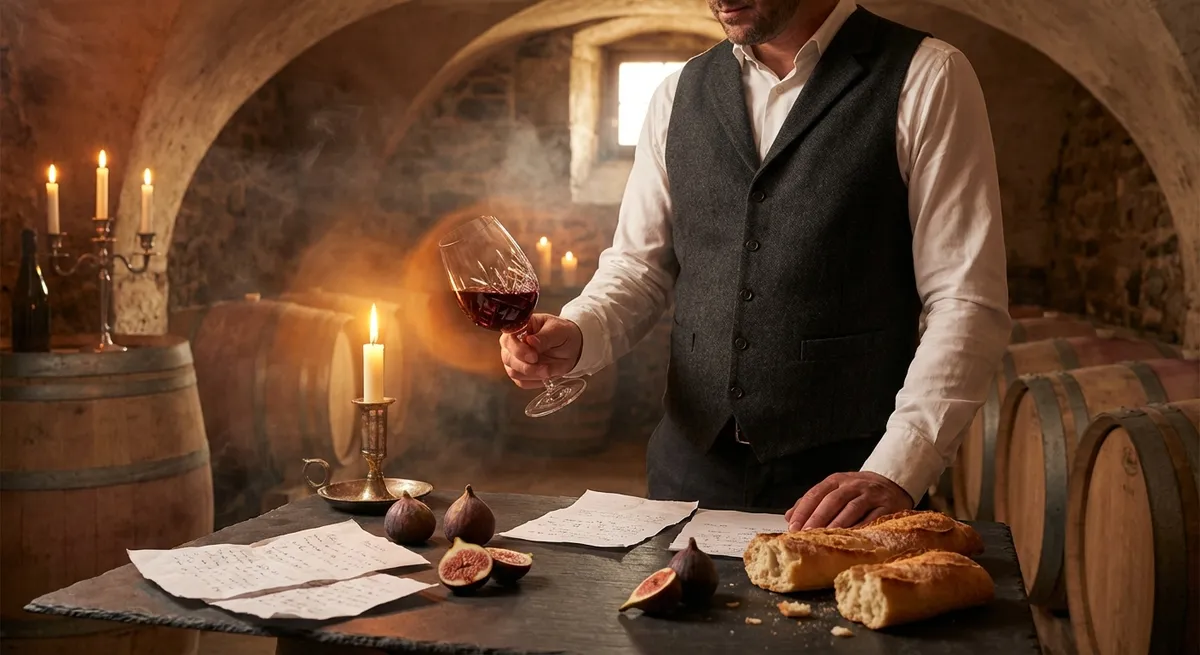
Finally, refined tasting is as much about memory as it is about the moment. Discreet notes—sometimes no more than a single phrase per wine—can act as anchors: “saline finish,” “rose petal and iron,” “subtle grip at the edges.” Over time, these fragments become a personal archive of experience. The most devoted enthusiasts are not those who taste the most wines, but those who remember them with the greatest clarity.
Five Exclusive Insights for the Devoted Enthusiast
Within this cultivated ritual of tasting, certain insights tend to circulate quietly among those who treat wine as both art and companion:
- The first nose is rarely the truth. Always return to the glass after a minute or two; impatient impressions often miss the wine’s real identity.
- Temperature is a finer tool than decanting alone. A delicately chilled red or a slightly warmed, structured white will often reveal more nuance than a hastily decanted bottle at the wrong temperature.
- Order shapes perception. Tasting a refined, old-world wine after a powerful, fruit-forward one can make the former feel muted; reversing the order often restores its definition and elegance.
- Silence can be part of the experience. A few uninterrupted seconds with your nose in the glass and no commentary—internal or external—can reveal more than a flurry of descriptors.
- Truly great wines are often quieter than expected. Their luxury is in proportion, balance, and persistence, not in volume; they leave an impression that lingers long after specific flavors fade.
These are not rules, but refinements—ways of approaching wine that reward patience, attentiveness, and a willingness to let the glass speak slowly.
Conclusion
To taste wine at a high level is to cultivate a particular kind of attentiveness: to glass, to time, to texture, to setting, and to oneself. The most memorable experiences on any wine tour are rarely the loudest or most ostentatious. They are the moments when everything is in quiet alignment—the right bottle, the right light, the right company, and a palate fully present.
In the end, the greatest luxury is not the rarity of the wine, but the quality of the attention you bring to it. When tasting becomes ritual rather than routine, every glass has the potential to feel singular, intimate, and profoundly personal.
Sources
- UC Davis Department of Viticulture and Enology – Technical and educational resources on wine chemistry, structure, and sensory evaluation
- Wine & Spirit Education Trust (WSET) – Systematic Approach to Tasting – Professional framework for structured, high-level wine tasting
- GuildSomm – Service & Tasting Resources – In-depth articles and insights for advanced wine professionals and enthusiasts
- Decanter – Expert Guides on Tasting and Glassware – Articles on tasting technique, glass selection, and serving conditions
- Riedel – The Wine Glass Company – Manufacturer insights and research on how glass shape influences aroma and flavor perception
Key Takeaway
The most important thing to remember from this article is that this information can change how you think about Wine Tasting.