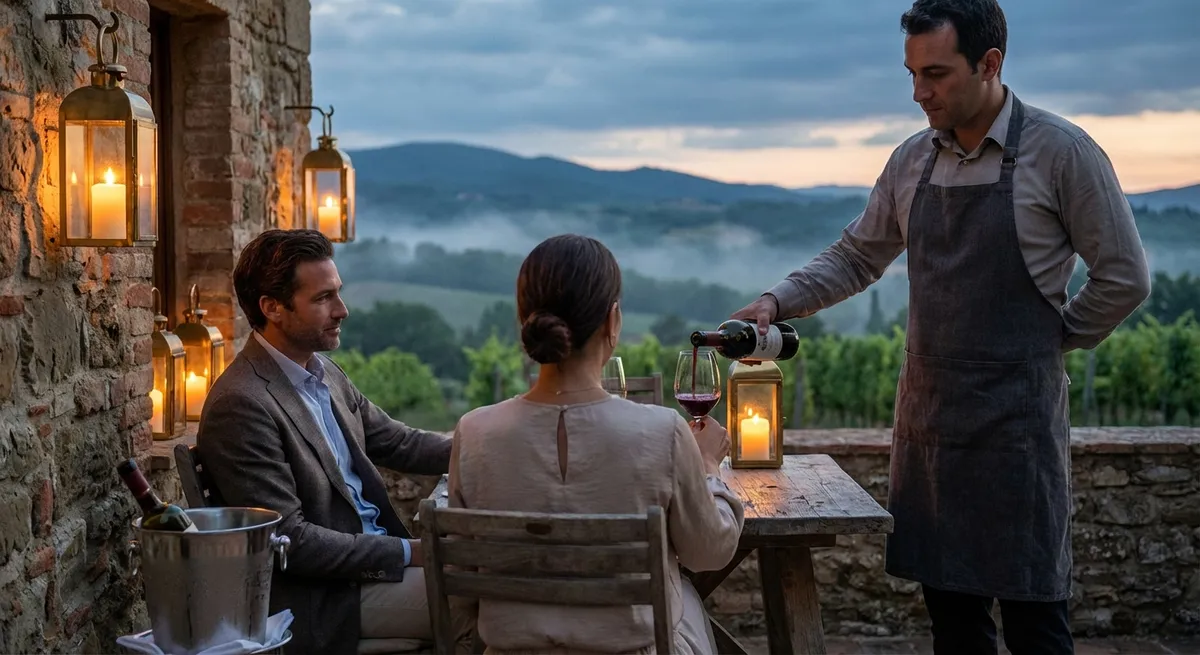
The most memorable vineyard visits rarely announce themselves with spectacle. They unfold quietly—on gravel lanes that deaden the sound of tires, in sunlit rooms where glass and linen speak more clearly than logos, and among vines whose stories are shared in low, assured tones. For the serious wine enthusiast, the true luxury of a vineyard visit lies not in opulence, but in access: access to intent, to precision, and to the unvarnished character of a place. This is the realm of vineyard experiences curated for those who savor nuance over noise.
The Art of Arrival: Reading a Vineyard Before You Taste
Long before the first pour, a vineyard has already told you a great deal—if you know how to listen.
Notice your approach. Does the driveway curve to reveal the property slowly, or does it open in a single dramatic sweep? Subtle design choices often mirror the philosophy in the glass: a measured, understated arrival often signals a producer focused on refinement rather than theatrics.
Look at the rows of vines. Are they immaculately manicured with even canopy heights, or more intentionally wild with cover crops flourishing between rows? Tight, sculpted canopies frequently point to producers obsessed with precision viticulture, where ripeness and shading are managed vine by vine. More naturalistic growth can indicate a commitment to biodiversity and low-intervention practices.
Observe spacing: closely planted vines suggest an Old World influence, where competition in the soil can drive concentration and depth. Wider spacing may hint at a New World approach, prioritizing air flow and sun exposure. Even the choice of ground cover—clover, wildflowers, or bare earth—tells a story about soil management, erosion control, and the estate’s relationship with its land.
Before technicians, tanks, and tasting notes enter the picture, the property itself is already sharing its point of view. A discerning visitor arrives not as a tourist, but as a quiet observer.
The Elevated Barrel Room: Decoding Maturation Choices
The barrel room is often where a winery’s true priorities are revealed. Step into this space with a curious, disciplined eye, and it becomes a master class in winemaking philosophy.
Note the barrels themselves. Smaller barriques (typically 225 liters) are often associated with more pronounced oak influence—spice, toast, and texture. Larger formats, such as puncheons or foudres, indicate a desire to preserve purity of fruit and terroir expression, softening tannins without overwhelming character. If you spot concrete eggs, amphorae, or large neutral casks, you are likely in the presence of a producer chasing precision and texture over obvious winemaking “signatures.”
Pay attention to the origin of the oak—French, American, or otherwise—if indicated. French oak often lends finesse and fine-grained tannins, while American oak can impart more overt vanilla and coconut tones. The mix of new versus neutral oak is equally revealing: a restrained percentage of new barrels typically suggests a preference for elegance and aromatic clarity.
Barrel stacking and layout matter, too. A carefully organized cellar with consistent temperature and humidity control speaks to rigorous aging protocols. Variations in labeling, chalk markings, and experimental lots often reflect a culture of ongoing refinement and trial.
When offered the chance to taste from barrel, listen to how the winemaker frames each sample. Are they emphasizing structural elements, vineyard blocks, or intended blends? Their language around time—how long they intend to age, when they rack, when they bottle—offers privileged insight into how patience is deployed as a tool of excellence.
Precision in the Glass: Beyond the Standard Tasting Flight
For wine enthusiasts seeking depth, the most rewarding tastings nearly always depart from a standard “three whites, three reds” lineup. Elevated vineyard visits lean into comparative structure, where each pour has a clear purpose in relation to the next.
Single-vineyard verticals—different vintages from the same plot—allow you to track how a specific place responds to the moods of each year. This is where you will discover which vintages are blessed with tension and which with generosity, and how the house style navigates both. Horizontal tastings, where you compare wines from the same vintage but different parcels or varietals, reveal how topography, soil, and aspect inscribe themselves into the glass.
Take note of the glassware. Premium producers often invest in stemware that highlights varietal character—Pinot Noir might be presented in broad-bowled glasses, while structured reds find their best voice in taller, more tapered stems. This is not mere aesthetics; it is a deliberate choice to maximize aromatic expression and texture.
Pay attention to the order of service. A thoughtful progression might move from textural whites to aromatic whites, then to lighter reds, structured reds, and finally late-harvest or fortified wines. When a host explains why they arranged the flight in a particular sequence, you’re being given a window into their sensory logic and how they want the wines to be understood.
The most refined tasting experiences allow space for silence—moments to revisit a glass at a different temperature, to notice how a wine evolves with oxygen, or to compare your impressions from first sip to final drop. This pacing is the hallmark of an experience curated for enthusiasts rather than crowds.
Vineyard Timing: Visiting Through the Turning Seasons
The same vineyard can feel like four different estates depending on the season of your visit, and serious wine travelers leverage this to their advantage.
In late winter and very early spring, pruning season reveals the skeletal architecture of the vines. This is the ideal time to understand training systems—Guyot, cordon, bush vines—and the discipline behind yield management. Conversations with vineyard teams in this period often center around strategy: bud selection, frost risk, and projections for the coming vintage.
Late spring and early summer bring the quiet excitement of flowering and fruit set. This is when you can truly appreciate canopy management, leaf pulling strategies, and the way each row is prepared to welcome the intensifying sun. A visit during this time often includes discussions around disease pressure, organic or biodynamic treatments, and the delicate balance between vigor and restraint.
Harvest (typically late summer into fall, depending on region) is the electric heart of the year but also the most demanding. If you can secure access during this period, you may witness picking decisions in real time: analyzing sugar levels, acidity, phenolic ripeness, and weather forecasts. The best hosts during harvest are direct; they will tell you when a quick conversation is possible and when focus must shift entirely to fruit.
Even winter dormancy has its own hushed elegance. Bare vines, quiet cellars, and long-aging wines resting in barrel offer a contemplative view of the estate—perfect for in-depth discussions on long-term vision, land stewardship, and how the property has evolved over decades.
Understanding the calendar of the vineyard transforms your visit from a static experience into a moving narrative. The enthusiast who returns at different stages of the year gains a layered relationship with the same place.
Behind the Label: Reading Subtle Signals of Seriousness
For the informed visitor, a wine label and a few quiet details in the tasting room are like a second language. They can indicate whether you are in the presence of a producer pursuing genuine excellence or simply polished marketing.
Examine the specificity on the label. Do they list block designations, precise vineyard names, or single-site bottlings? This usually points to a producer deeply invested in micro-terroir expression. Generic regional designations with little technical detail can be perfectly valid, but a portfolio that includes single-parcel wines usually signals serious viticultural ambition.
Look for technical sheets if available—either in printed form or via a QR code. Producers unafraid to share pH, total acidity, picking dates, aging regimens, and fermentation details are often those most confident in their craftsmanship. Transparency is a quiet marker of quality.
Subtle sustainability or certification notes are also telling. Mentions of organic, biodynamic, or sustainably farmed grapes—particularly when backed by specific certifications—show that the estate is thinking beyond the next vintage and into generational stewardship.
Within the tasting environment, pay attention to how staff speak about the wines. Do they rely on rehearsed flavor lists, or do they comfortably discuss soil types, slope orientation, or the evolution of the estate’s style over time? Are they willing to say, “We changed our approach after the 2015 vintage because…”? That willingness to acknowledge evolution is another understated hallmark of a serious, self-aware winery.
Those who read these details fluently find themselves drawn, again and again, to producers whose quiet rigor outlives trends and buzzwords.
Cultivating a Discreet Relationship with Exceptional Estates
The finest vineyard visits feel less like transactions and more like the beginning—or continuation—of a conversation. Enthusiasts who approach these spaces with curiosity, respect, and restraint are often rewarded with access others never see advertised.
Follow up after your visit with specific, considered feedback. Reference a barrel lot you tasted, a particular block that fascinated you, or a vintage you are eager to watch evolve. When appropriate, purchasing selectively with intent rather than volume underscores that you collect thoughtfully rather than impulsively.
Over time, this kind of engagement can lead to invitations to allocation-only releases, access to late-disgorged or library wines, and private tastings during quieter times of the year. It is a slow-building, trust-based exchange where the currency is more intellectual than social.
For those who travel frequently for wine, maintaining a concise record—a tasting journal or digital log—not only refines your own palate but also allows you to return to a property years later with an informed perspective on how their style has shifted, deepened, or remained steadfast.
In the end, the most privileged vineyard visits are not the ones flaunted on social feeds, but the ones that linger in memory: a sunrise walk among fog-touched vines, a barrel sample tasted in near-silence, a winemaker’s candid admission of a difficult vintage. These are the moments that transform admiration into allegiance.
Conclusion
Discreet, high-caliber vineyard visits are less about prestige and more about precision—of place, of practice, and of perception. For the true enthusiast, luxury is found in small details: the tension between vine and soil, the quiet confidence of a barrel program, the elegance of a thoughtfully structured tasting flight, the changing face of the vineyard through the seasons, and the subtle honesty of a well-crafted label. Approach each estate as a student of nuance and a guardian of time, and you will be rewarded with experiences that feel less like excursions and more like initiation into a quieter, more exacting world of wine.
Sources
- UC Davis Viticulture and Enology – Research-based insights on grape growing, winemaking, and wine science from a leading academic institution
- Wine Institute – Sustainable Winegrowing – Overview of sustainable, organic, and environmentally responsible practices in vineyards and wineries
- Decanter – Guide to Oak in Winemaking – In-depth discussion of barrel types, oak influence, and maturation choices
- Harvard T.H. Chan School of Public Health – Wine and Health – Evidence-based context for wine consumption and its role in a balanced lifestyle
- OIV – International Organisation of Vine and Wine – Global standards, reports, and technical references on viticulture, oenology, and wine markets
Key Takeaway
The most important thing to remember from this article is that this information can change how you think about Vineyard Visits.