Not all great wineries aspire to be seen. The most rarefied estates operate in a quieter register—where scarcity is a philosophy, hospitality is choreography, and every detail is calibrated for those who notice nuance. For the devoted wine traveler, understanding how these premium wineries really work transforms a pleasant visit into something far more resonant: a glimpse into an ecosystem built around patience, precision, and singular identity.
This is not about “best wineries” lists or tasting-room checklists. It is about the subtle mechanics that distinguish serious, world‑class producers—and how to recognize, and respectfully enjoy, them when you visit.
Beyond the Label: How Premium Wineries Design Their Identity
At the highest level, a winery’s “brand” is less a logo and more a layered narrative expressed through land, architecture, people, and time. Premium estates tend not to shout their story; they let it unfold.
The first signal is architectural restraint. Instead of flamboyant façades, top-tier wineries often commission architects to create buildings that recede into the landscape. Materials mirror the surroundings—stone echoing the vineyard’s bedrock, wood tones tuned to the local forest. The intent is not spectacle, but a quiet continuity with the terroir guests have come to explore.
Inside, the visual language is similarly deliberate. Font choices on labels, the weight of the bottle, the texture of the paper, even the color temperature of the lighting in the tasting room are curated to reinforce a single message: considered, not accidental. A house that champions elegance and tension in its wines will rarely decorate with loud colors or clutter; the space itself is tuned to the same frequency as the wine.
The most sophisticated wineries also show discipline in what they do not produce. Rather than expanding into dozens of SKU’s, they often refine a small cadre of core wines and allow subtle variations (single-parcel bottlings, special cuvées) only when they reveal something intellectually and sensorially necessary. For the visiting enthusiast, paying attention to these decisions—how tightly the narrative is edited—offers a powerful clue to the seriousness of the estate.
The Quiet Architecture of Cellars and Time
Premium wineries think in decades, sometimes centuries, and their cellars are physical expressions of this long view. These are not just storage spaces; they are instruments designed to conduct temperature, humidity, and silence into a coherent whole.
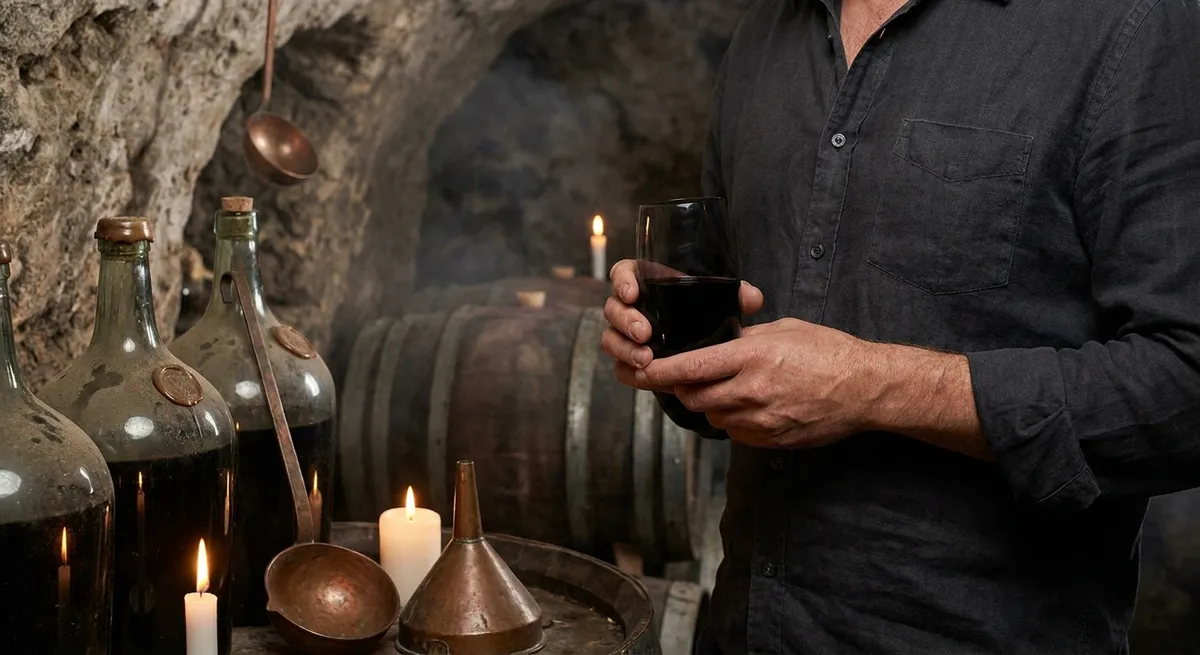
Barrel rooms at top estates are engineered with precision. Humidity is kept steady to limit evaporation (“the angel’s share”) without compromising the wine’s slow evolution. Temperature is cool, often between 12–15°C (54–59°F), and stable, avoiding fluctuations that can stress young wines. Some estates still rely on deep, historic underground cellars; others create modern equivalents with advanced insulation and geothermal systems. The principle remains the same: the calmer the environment, the more graceful the wine’s development.
Time is the other main ingredient. Premium producers resist the temptation to release wines early for cash flow. Instead, they commit to extended élevage—longer barrel aging, then bottle aging in the estate’s own cellars—so that what reaches you is not a promising adolescent, but a wine already coherent and articulate. When you tour these properties, note how many vintages you see resting in bottle: a deep library is a sign of both financial strength and a philosophical commitment to patience.
Some of the most refined experiences involve guided tastings inside the cellar itself. Here, you witness how the character of a wine arcs from barrel to bottle, and sometimes across multiple decades. For enthusiasts, it is not just a romantic setting; it is an education in time as a raw material.
Vineyard Precision: Where Luxury Truly Begins
In the premium tier, “luxury” is grown, not designed. The most important work happens long before the bottle, along rows of vines where every decision imprints itself on the final glass.
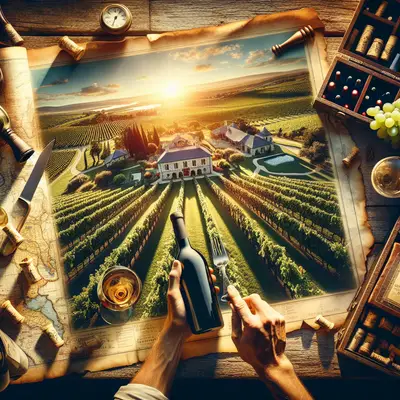
At serious estates, vineyard blocks are treated almost as individual personalities. Soil pits are dug to analyze layers of clay, limestone, gravel, or volcanic ash; slope and exposure are mapped to the degree. This informs where certain clones are planted, how dense the spacing is, and how canopy management is approached. You may hear terms like precision viticulture—using drones, satellite imagery, or soil sensors to monitor vine stress and water needs on a micro level. To the guest, the vineyards may appear simple; underneath, they are exquisitely engineered.
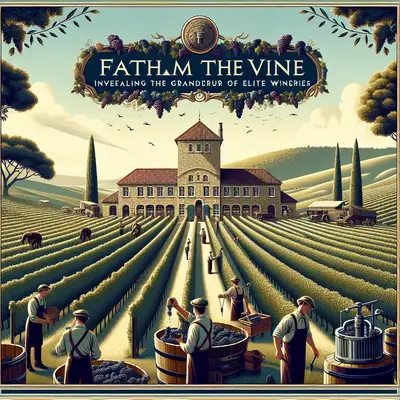
Handwork is another hallmark. Pruning, green harvesting, leaf thinning, and picking are often performed manually, sometimes with the same small team returning year after year. This provides consistency of judgment: the same person who prunes in winter understands the vigor of each vine when harvest decisions are made in fall. On a visit, ask whether the fruit is hand‑harvested, how many passes are made through the vineyard, and how picking decisions are made. Thoughtful, specific answers are a strong indicator of a house that sees its vines not as production units but as living instruments.
Many top wineries also incorporate sustainable, organic, or biodynamic practices—not as marketing, but as a functional necessity for long-term vine health. You might notice cover crops between rows, insect hotels for beneficial predators, or sheep grazing in winter. The most refined estates understand that stewardship of the land is not a trend; it is their only true legacy.
Tasting as Dialogue: Hospitality for the Informed Guest
At premium wineries, hospitality is not about scripted charm; it is about alignment. The experience is tailored to visitors who come prepared, curious, and attentive—and the most rewarding visits feel more like a conversation among professionals than a performance for tourists.
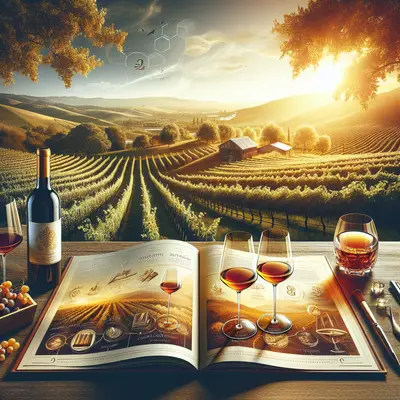
Appointments are often required, not as a barrier, but to maintain intimacy. Group sizes are deliberately small, giving your host time to understand your preferences and calibrate the tasting. You may begin outdoors among the vines, move through the production area, and end in a private salon—each setting chosen to illuminate a different aspect of the wine’s story rather than simply to impress.
The caliber of your host is telling. At top estates, guides are frequently sommeliers, winemakers, or deeply trained hospitality professionals capable of discussing soil types, fermentation choices, vintage conditions, and aging potential with equal fluency. They are there to respond to your curiosity, not recite memorized notes. To get the most from the experience, arrive with thoughtful questions: ask about a difficult vintage and how they adapted, or why a certain parcel is bottled separately. The more you engage, the more nuanced the conversation becomes.
Serving details matter as well. Glassware is chosen to complement style and structure, not branding. Temperatures are precise. The progression of wines is curated to show contrast and evolution—perhaps moving from a taut, mineral-driven white to a more layered, lees-aged counterpart, or from a younger vintage to an older one to illustrate how the house style ages. For the enthusiast, this is the moment where technical choice meets sensory pleasure.
Five Exclusive Insights for the Attentive Wine Traveler
Premium wineries rarely advertise their most meaningful qualities. They are discovered by the observant guest. When you next visit, watch for these subtle, insider signals:
Restraint in the Portfolio
A concise range of wines, each with a clearly articulated reason to exist, often indicates a producer focused on depth rather than breadth. Multiple near-identical labels targeting different markets can be an early sign of diffusion rather than refinement.
Consistency of Philosophy Across Price Levels
At top estates, the “entry” wine is not an afterthought; it is the introduction to the house’s voice. If you recognize the same structural precision, balance, and aesthetic choices in their most accessible bottling as in their flagship, you are tasting a coherent vision rather than a marketing pyramid.
Intellectual Transparency, Not Technical Overload
Serious wineries are willing to discuss their choices—yields, barrel regimens, fermentation temperatures—without drowning you in jargon. They can explain complex decisions in elegant, understandable terms. Evasion or superficial answers to thoughtful questions can be telling.
A Library That Tells a Story, Not Just a History
Many cellars store old vintages; only some use them to actively teach. When a winery intentionally opens older bottles to demonstrate how its wines age—and how stylistic decisions have evolved—you are being invited into their internal conversation about quality.
A Sense of Place That Extends Beyond the Wine
At the most compelling estates, the surrounding elements—art, gastronomy, landscape design—are not generic luxury add‑ons. The architecture may echo local vernacular, the culinary pairings draw from regional traditions, and even the art program speaks to themes of land and time. Everything orbits the core idea of terroir, expanding it into a full aesthetic universe.
Conclusion
To travel among premium wineries is to move through a world where very little is accidental. The rarest estates weave together vineyard precision, cellar discipline, architectural understatement, and deeply informed hospitality into an experience that feels both intimate and enduring. For the passionate wine enthusiast, recognizing these quieter markers of excellence transforms a simple tasting into an encounter with a living philosophy.
On your next wine journey, look past the obvious cues of luxury. Attend instead to how time is honored, how the land is interpreted, and how generously knowledge is shared. It is in those details that the true character of a premium winery reveals itself—and where the most memorable wine adventures begin.
Sources
- Wine Institute – California Wine Country Facts - Overview of California wine regions, climate, and key statistics that inform premium production
- Napa Valley Vintners – Napa Valley Terroir - Detailed discussion of how soil, climate, and geography shape high-end Napa wines
- Comité Champagne – The Terroir of Champagne - Authoritative explanation of terroir, viticulture, and cellar practices in one of the world’s benchmark premium regions
- Bordeaux.com – Vineyard & Terroir - Insight into vineyard management, appellations, and terroir considerations in Bordeaux
- UC Davis Viticulture & Enology - Educational resources on enology and cellar practices from a leading wine research institution
Key Takeaway
The most important thing to remember from this article is that this information can change how you think about Premium Wineries.