There is a moment, just before the first pour, when the vineyard is quieter than the glass. Leaves barely move, barrels rest in shadow, and somewhere beyond the tasting room, rows of vines shape the horizon into disciplined green lines. For those who travel in search of wine, this is where the real luxury lives: not only in what is poured, but in how the place itself reveals its character. A vineyard visit, when approached with intention, becomes less a tour and more an immersion in the quiet architecture of time, patience, and terroir.
Reading the Vineyard Before the First Pour
Long before your host uncorks a bottle, the vineyard is already speaking. The way the rows are aligned against the slope, the choice of cover crop between vines, the distance between trunks—each detail is a deliberate decision, not a cosmetic flourish.
On hillside sites, vines often march along contours rather than straight downhill, a subtle clue that erosion management and root stability are guiding the layout. Narrow row spacing may hint at cooler climates or a desire to moderate vigor, while a wider planting grid can indicate heat, drought management, or an estate attentive to airflow against disease pressure. Even the soil at your feet—whether it is carefully exposed around trunks or cloaked in clover, fava beans, or wild grasses—reveals a philosophy: control versus coexistence, manipulation versus partnership.
For the observant visitor, a slow walk through the vines before any tasting transforms the experience. When you finally raise the glass, you are not merely tasting a label; you are tasting a landscape whose logic you have already begun to decode.
Beyond the Tasting Bar: Following the Wine’s Full Journey
Most visits skim along the surface: a tasting room, a curated flight, a few polished stories. The more rewarding experience follows the route the wine itself has taken, tracing its path from hillside to barrel to bottle.
In the cellar, notice the mix of vessels: large, old foudres standing beside new French oak barriques, concrete eggs sharing space with stainless steel tanks. This is not decoration; it is a map of the winemaker’s intentions. Larger, older casks suggest a desire to preserve purity of fruit and terroir, while a forest of small, new barrels hints at a bolder, more sculpted style. Amphorae or concrete often signal textural experimentation and a search for energy rather than opulence.
Ask to see the sorting line if harvest has just passed, or to stand where grapes first arrive. Here you learn whether the estate relies on hand harvesting, optical sorting, or more modest means. These are not technicalities. They are quiet declarations about how much imperfection the estate is willing to admit—and how much human judgment stands between vineyard and glass.
Five Subtle Privileges: Exclusive Insights for the Attentive Visitor
There are certain privileges that rarely appear on a standard itinerary, yet they distinguish an ordinary visit from a truly memorable one. With tact and genuine curiosity, these five experiences can often be unlocked:
Tasting the Same Wine Across Multiple Vintages
A vertical tasting—the same cuvée from several years—reveals far more than quality; it reveals consistency of vision. Differences in color, nose, and structure disclose how the estate responds to heat, rain, and challenging conditions. A house that remains elegant in a difficult year often reveals its true discipline.
Comparing Parcels Side by Side
Barrel or tank samples from two adjacent blocks can be revelatory. One may show a serif of spice, the other a line of saline tension, even though they share a fence. This is terroir in close-up. You begin to understand why certain rows go into a flagship bottling while others form the backbone of a different cuvée.
Walking the Boundary of the Property
The edges of an estate are rarely landscaped for visitors, yet they tell the clearest truth. Look at how the vines meet forest, river, or neighboring properties. You may see shifts in soil color, exposure, or planting density that never feature in marketing materials but define the estate’s personality as surely as any label.
Observing the Vineyard at an “Inconvenient” Hour
Early morning or late evening visits, when possible, reveal the living rhythm of the property: pruning teams at work, tractors returning, or quiet rows glowing in oblique light. Cool temperatures, birdsong, and the first or last fog lifting off the vines help explain why grapes grown here taste the way they do.
Tasting a Wine Before and After Air
Many estates will happily pour a second splash of the same wine after it has rested in the glass. The contrast—especially with structured reds or textured whites—offers a masterclass in how time and oxygen shape aromatics and tannins. It’s a simple request that yields a deeper understanding of how the bottle might age in your own cellar.
Conversations That Reveal the Soul of an Estate
The most meaningful insights rarely come from rehearsed narratives. They emerge from questions that invite your host to step away from script. Instead of asking only about awards or scores, ask which vineyard block they most worry about, or which cuvée they nearly abandoned but ultimately could not. Ask which vintage taught them the hardest lesson, or which wine they open when they are genuinely celebrating, not hosting.
Notice how quickly the conversation moves from technical data to personal history. Some winemakers speak in the language of soil analysis and phenolic maturity; others talk about their grandmother’s table wine or the first harvest they witnessed as a child. Both are valuable. Together, they sketch the tension between science and memory that defines fine wine.
You will also sense how the estate situates itself in its wider region. A property that speaks respectfully and knowledgeably about its neighbors usually understands its place in a broader conversation, not just its own story. This humility, paradoxically, is often a hallmark of true confidence.
Curating Your Own Vineyard Rituals
A premium vineyard visit is not a product purchased; it is a ritual you quietly design for yourself. Certain gestures, repeated from estate to estate, form a personal grammar of exploration.
Arrive slightly early and walk the perimeter of the tasting area in silence, taking in orientation, temperature, and sound. During the tasting, leave one glass aside to revisit at the end, allowing it to evolve while you move through the flight. Take discreet notes not only on the wines, but on small details: the scent of the cellar, the way light falls onto the barrels, the feel of the soil path beneath your shoes.
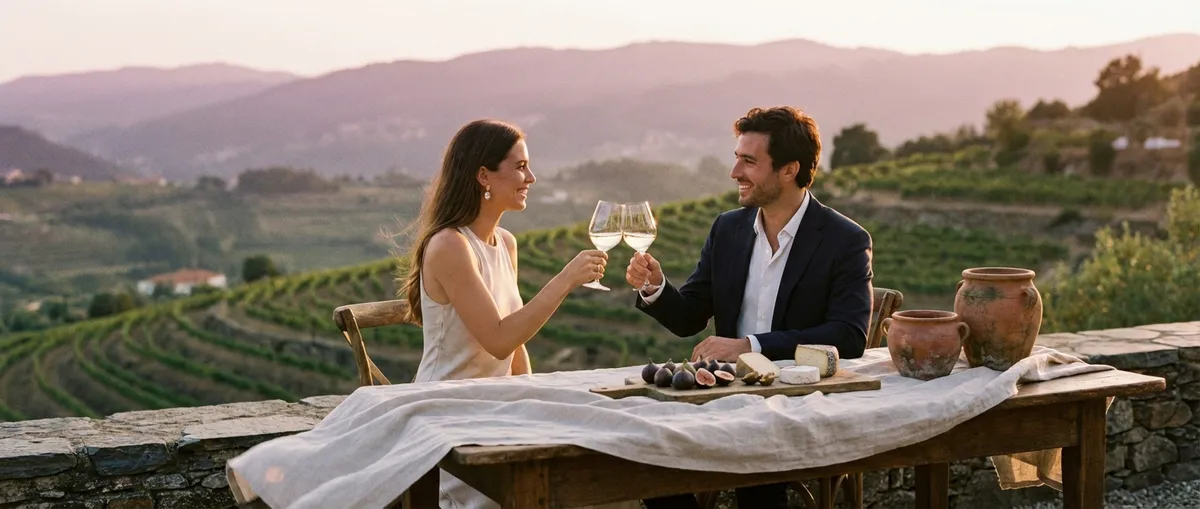
Consider pairing your tasting with a simple, well-chosen food element offered by the estate—local olive oil, aged cheese, or seasonal produce. These are not distractions; they are comparators that help your palate locate acidity, texture, and structure in a more precise way.
Over time, these repeated rituals transform your travels into a coherent journey. Each estate becomes a chapter in an ongoing conversation between your palate, your memory, and the landscapes you choose to revisit.
Conclusion
The most refined vineyard experiences are rarely the loudest. They are shaped by an attention to nuance: the angle of a slope, the decision to plant cover crops or not, the choice of barrel or concrete, the way a winemaker answers an unguarded question. For the traveler who prefers depth to spectacle, these details are not minor—they are the very fabric of luxury.
To move through vineyards with this kind of attention is to recognize that every glass is the final sentence of a long, patient story. The more of that story you choose to read on the ground—among vines, in quiet cellars, along unlandscaped borders—the more each sip becomes not merely pleasurable, but resonant. And that resonance is the true reward of a thoughtfully curated vineyard visit.
Sources
- Wine Institute – California Wine Country Facts – Overview of vineyard regions, climate influences, and general winegrowing context
- UC Davis Department of Viticulture and Enology – Educational resources on vineyard design, spacing, and viticultural practices
- Cornell University – Terroir and Vineyard Site Selection – Detailed explanation of how slope, soil, and exposure shape vineyard character
- Decanter – Guide to Wine Barrel Types and Aging – Insight into how different vessels (oak, concrete, etc.) influence wine style and texture
- OIV (International Organisation of Vine and Wine) – Global reference body for standards and research in viticulture and oenology
Key Takeaway
The most important thing to remember from this article is that this information can change how you think about Vineyard Visits.