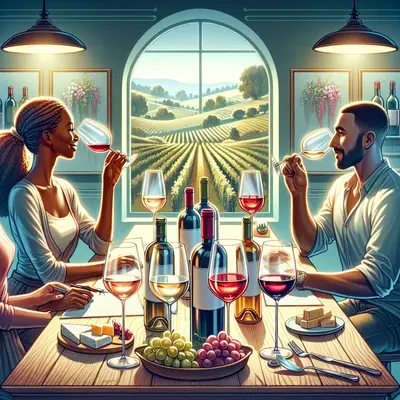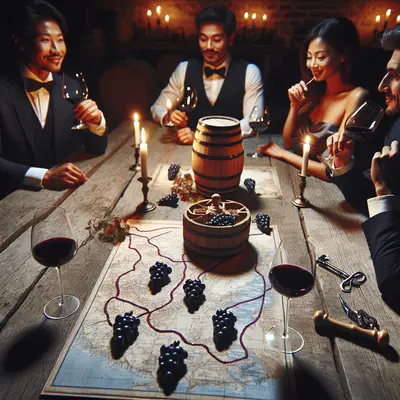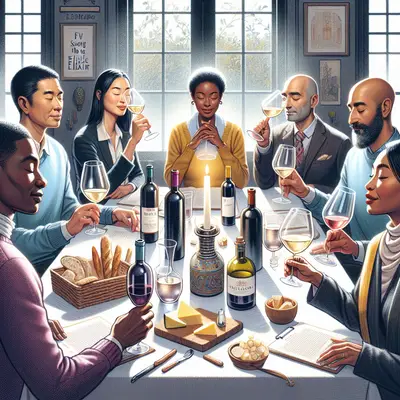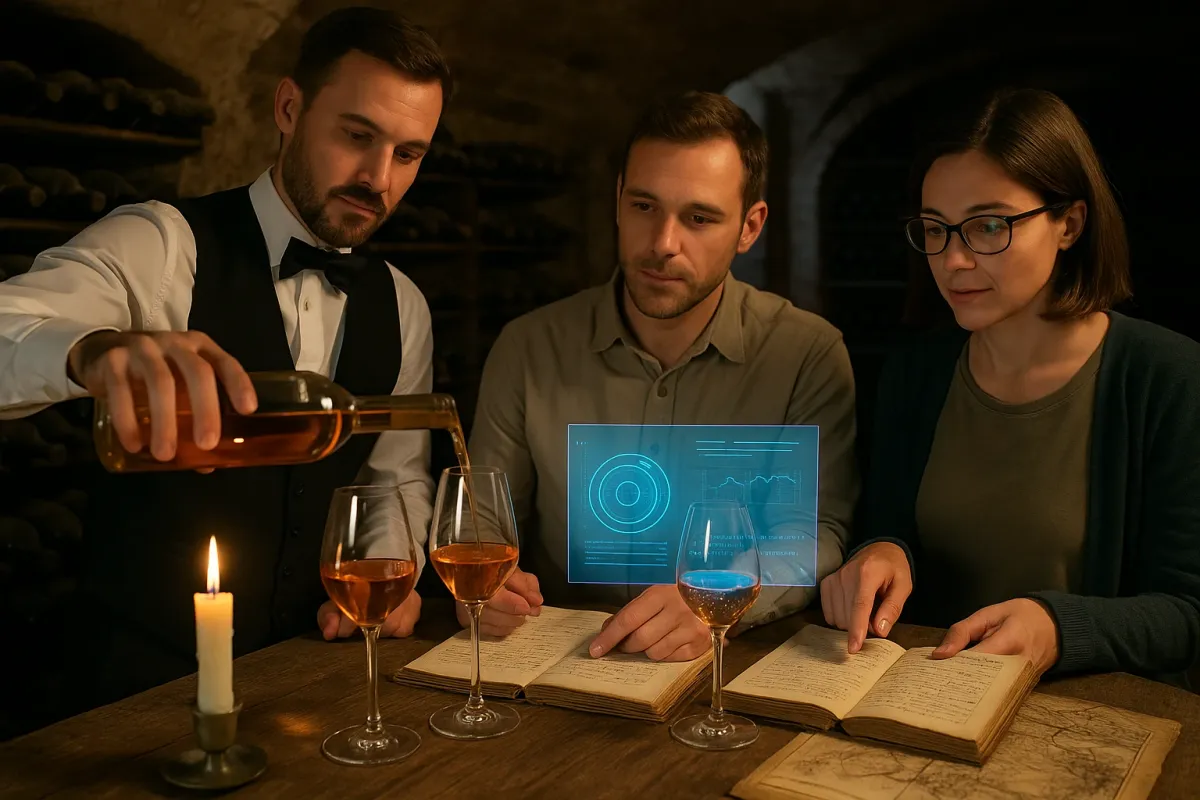
In an online world suddenly captivated by rediscovered stories and long-forgotten images—from viral posts revealing what 1700s figures truly looked like to coffee table books of antique photographs—2025 is quietly becoming the year of looking back with sharper eyes. This cultural fascination with “what history forgot” is not limited to art and photography; it’s reshaping how discerning travelers experience wine as well.
As people linger over archival portraits and sepia-toned love stories, they’re craving depth, provenance, and authenticity in every indulgence. For the wine world, that means tastings that feel less like product demos and more like stepping into a living archive of landscape, craftsmanship, and time. At Wine Tour Adventures, we’re seeing a clear shift: the most coveted experiences now echo this global mood—intimate, story-rich, and obsessed with the details history almost misplaced.
Below, discover five exclusive, timely insights into how this “age of rediscovery” is defining the most sophisticated wine tastings right now—and how to curate your own experiences to match.
From Labels to Lineage: The Rise of “Archival” Wine Tastings
As collections of old photographs of forgotten couples and long-ago lives go viral, serious wine lovers are asking a similar question in tasting rooms: what’s the story that didn’t make it onto the label? Wineries from Napa to Burgundy are responding with “archival tastings” that frame each pour as a chapter in a longer narrative, drawing on family photo albums, original planting maps, and pre-digital cellar notes. Instead of simply listing varietals and oak aging, hosts are referencing vintages from the 1950s that defined a house style, or the weather anomalies that shaped a now-legendary year.
At high-end estates in regions like Piedmont, Rioja, and the Willamette Valley, private appointments increasingly include time in the library or barrel chai, surrounded by framed black-and-white vineyard images and handwritten ledgers. This reflective, almost museum-like atmosphere resonates with travelers who have just paged through a book of century-old photographs or scrolled a viral Reddit thread of “what they really looked like.” To fully appreciate this style of tasting, come prepared with curiosity: ask to see the oldest map of the property, the earliest label design, or an image of the founding vintner. You’re no longer sampling “a wine”; you’re tasting a lineage—just as contemporary culture is finally starting to taste history again.
The New Luxury: Vertical Tastings as Time Travel
In a year when online audiences are mesmerized by side-by-side “then vs. now” images—whether of people, places, or relationships—vertical tastings have become the vinous equivalent of those arresting comparisons. A vertical tasting presents multiple vintages of the same wine, and in 2025 this format has quietly become the prestige experience for serious collectors and curious connoisseurs alike. While social media floods with “how it started vs. how it’s going” narratives, cellars are responding with their own: 2010 vs. 2015 vs. 2020 of a single flagship cuvée, poured in progression like a photographic timeline in stemware.
Premium estates in Bordeaux, Stellenbosch, and the Sonoma Coast are curating verticals around pivotal climatic or stylistic shifts—pre- and post-drought vintages, years before and after a new winemaker arrived, or wines that span a generation of ownership. For travelers, this is an exquisite way to experience time as texture: tannins relaxing, fruit evolving, tertiary notes emerging. To elevate your own visit, request a vertical that brackets a year of personal significance—your wedding year, a milestone birthday, the year you moved cities—and let the wines reveal how the same patch of earth has changed around that moment. In an era obsessed with visual timelines, a well-structured vertical tasting feels like stepping inside one, glass by glass.
Scent as Memory: Why Aromatic Precision Matters More Than Ever
As people pore over old images and artifacts, the conversation invariably turns to memory—and neuroscience continues to affirm what wine professionals have long known: scent may be our most powerful trigger of remembered experience. In 2025, top wineries and luxury hotels are leaning into this with a renewed focus on aromatic training as part of their tastings. Just as coffee table books resurrect forgotten faces, curated aroma sets are resurrecting forgotten descriptors: dried fig, tomato leaf, beeswax, violet, gunflint, and sun-warmed rosemary.
Premium tasting experiences increasingly begin not with a pour, but with a palette of scents—sometimes in elegant glass globes, sometimes in small, lidded porcelain cups—inviting guests to reconnect with sensory memories before wine ever touches the glass. This is particularly prominent in regions renowned for nuanced aromatics: the Mosel for Riesling, the Loire for Cabernet Franc and Chenin, Etna for volcanic reds. For the enthusiast, this shift offers a practical edge: by consciously training your sense of smell, you’re building a private archive of reference points, a living equivalent to the historical photo books now gracing design-forward tables. On your next visit, ask if the property offers an aroma library or a guided nose training segment; it transforms tasting from passive enjoyment into an elegant act of memory-making.
Beyond the Tasting Bar: Intimate Spaces and “Unlisted” Experiences
Viral threads about “real estate listings from hell” have made one thing painfully clear: the wrong environment ruins the experience, no matter how good the bones. Wine travelers are taking note and gravitating toward estates that treat architectural and spatial design as integral to tasting. The most sought-after appointments in 2025 are not at crowded bars but in discreet, thoughtfully curated spaces: stone-walled former granaries coveted for their acoustic hush, glass-wrapped lounges cantilevered over vineyards, or candlelit cellars where old vintages sleep under vaulted brick ceilings.
Responding to a culture newly attuned to atmosphere and detail, top properties in places like Mendoza, Tokaj, and the Douro are offering ultra-limited “unlisted” tastings—sessions not advertised on menus but revealed through concierge connections or by inquiring directly. These may take place in a library of old maps, at a single harvest table overlooking a steep slope, or even in the vineyard rows themselves at golden hour. For those planning a refined wine tour, the lesson is clear: do not settle for generic counters and souvenir shops. Ask specifically for private spaces, architect-designed salons, or heritage rooms; the right setting frames each wine like a carefully preserved photograph, turning a tasting into an encounter.
Curating Your Own “Living Archive” of Wine Experiences
The broader cultural fascination with forgotten photographs and overlooked stories has one more implication for wine lovers: it’s inspiring a more deliberate approach to collecting not just bottles, but memories. In the same way authors are assembling volumes of rare historic images, serious enthusiasts are beginning to assemble their own “living archive” of tastings—travel journals and digital logs that read more like curated exhibitions than casual notes.
On recent high-end tours, we’re seeing guests arrive with leather-bound tasting diaries, fountain pens, and portable photo printers; others maintain impeccably organized digital albums pairing vineyard shots, label close-ups, and concise impressions of aroma, texture, and mood. Some work with photographers during milestone tastings—a 25th anniversary in Champagne, a generational trip to Barolo—creating intimate visual narratives to accompany the wines opened. If you wish to elevate your tasting life this year, think like a curator: record not only scores and flavors, but the people you shared the bottle with, the music playing softly in the background, the weather drifting past the cellar windows. Over time, this archive will echo the historic collections now captivating the internet—only yours will be alive, ongoing, and exquisitely personal.
Conclusion
As the world looks backward with fresh reverence—unearthing forgotten faces, lost letters, and overlooked stories—wine tasting is entering a parallel age of refinement. The most rewarding experiences of 2025 are those that honor lineage, embrace time as a tangible dimension, and treat scent, space, and memory as luxuries equal to any grand cru. For travelers who crave more than a quick flight of pours, this is a golden moment: a chance to seek out tastings that feel like stepping into a beautifully preserved album, where every glass is a page and every sip a note in the margin.
At Wine Tour Adventures, we believe the future of premium wine travel lies in this marriage of past and present—a sophisticated, deeply human way of tasting that lingers long after the last drop, much like a photograph you find yourself returning to again and again.
Key Takeaway
The most important thing to remember from this article is that this information can change how you think about Wine Tasting.