In an online world curated to glossy perfection, anything raw, human, and a little bit uncomfortable spreads like wildfire. That’s why a viral Bored Panda piece—where guests shared the most appalling things they’ve ever been served in someone’s home—is quietly resonating far beyond comedy feeds. It’s also reshaping how high‑end wineries think about hospitality right now.
If poorly handled food can haunt a dinner party, imagine what a poorly handled glass can do to a luxury tasting. Today’s discerning travelers are bringing that same sharpened scrutiny to the tasting room: they notice everything—from the way a bottle is opened to the story behind a single vineyard pour. The stakes have never been higher, and the margin for “foul” has never been smaller.
Below, we explore five exclusive insights that are defining elevated wine tasting in this new era—where avoiding awkwardness is no longer enough. The goal is something far rarer: effortlessly memorable, impeccably choreographed hospitality that stands up to the most discerning palate and the most unforgiving camera lens.
1. From “Never Again” to “Pour Me More”: The Rise of Sensory Precision
The internet’s fascination with horror‑story meals has made guests hyper‑aware of sensory red flags—temperature, texture, aroma, and even how confidently a host talks about what’s in the glass. In premium wine country, this has accelerated a quiet but powerful shift toward sensory precision.
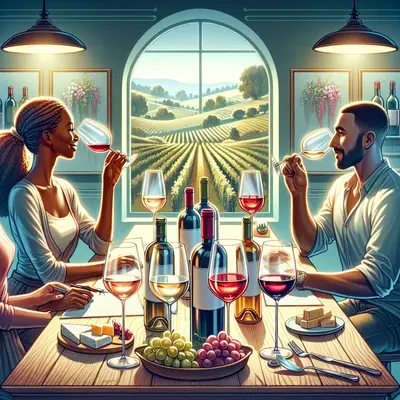
Top estates in Napa, Bordeaux, Tuscany, and Margaret River are now calibrating serving temperatures with scientific discipline: Chardonnay arriving at 11–13°C instead of “whatever the cooler did,” Pinot Noir hovering delicately around 14–16°C, and structured Cabernet eased toward 18°C to reveal its architecture without alcohol heat. Aromas are being treated as a canvas, not an accident—good glassware is now a baseline, not a bonus. Zalto and Lehmann stems, once seen only in Michelin‑starred dining rooms, are appearing in the private salons of flagship wineries, chosen to shape the aromatic profile as carefully as the winemaker shapes the blend.
For guests, this means fewer jarring moments—no warm Sauvignon on a hot terrace, no icy Amarone masking its soul. Instead, everything you taste feels composed, deliberate, and quietly exacting. The days of “that was… fine, I guess” are giving way to “they knew precisely what they were doing.”
2. The Art of Hostmanship: Why the Person Pouring Is Now Part of the Vintage
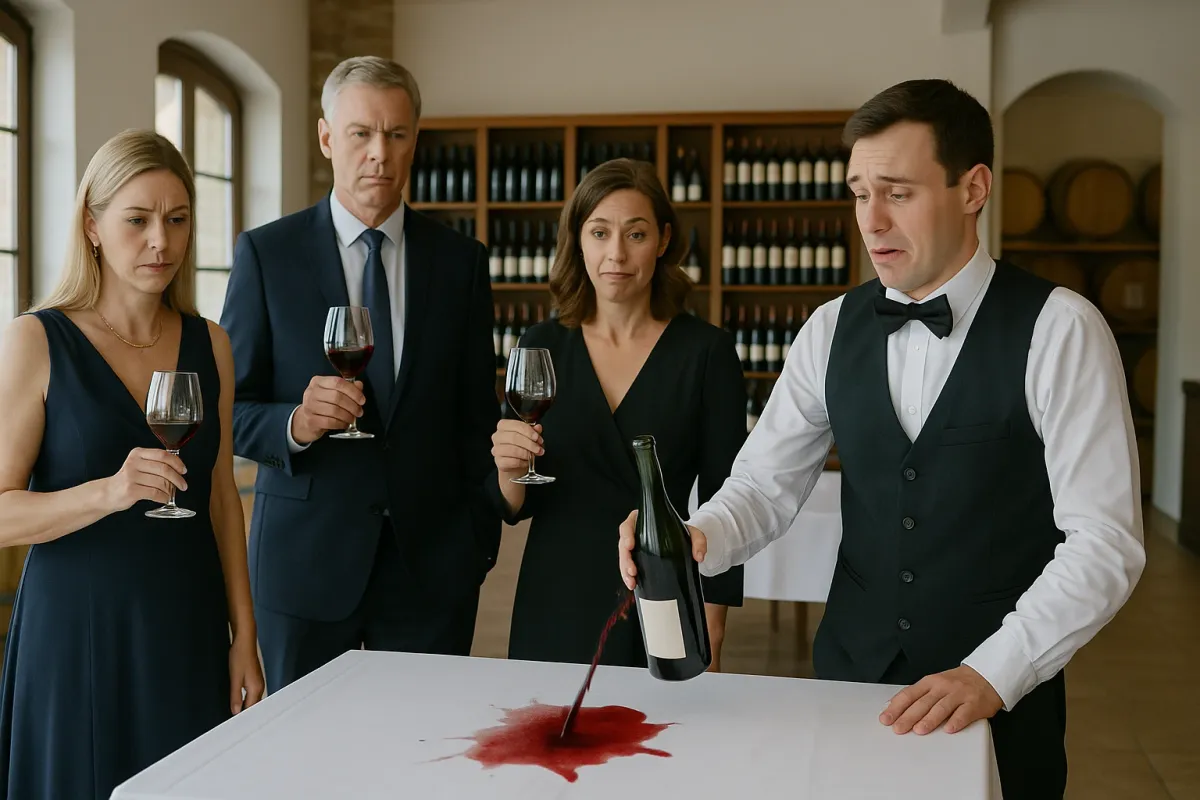
Those viral tales of well‑meaning but disastrous hosts have revealed an uncomfortable truth: hospitality is a performance, and not everyone should be on stage. The luxury wine world has taken note. Today, the most coveted tastings are led not by generic staff, but by trained storytellers—sommeliers, estate ambassadors, or even the winemaking team themselves—who understand that they are as much part of the experience as the vineyard.
Forward‑thinking estates are investing in something akin to “emotional mise en place.” Hosts rehearse how to introduce a wine without reciting a label, how to read the room for knowledge level, and how to answer difficult questions (about oak use, sustainability, or pricing) with elegance rather than defensiveness. Awkward silences, heavy‑handed upselling, and overbearing lectures—those familiar social “cringe” moments—are being treated as faults to be corrected, just like cork taint or oxidation.
The result is a new standard of hostmanship: serene, informed, and gently attuned to guest energy. You feel guided, not managed; engaged, not cornered. It’s the difference between sipping something expensive and feeling that your time, curiosity, and intelligence are being quietly honored.
3. Flawless Pairings in an Age of Food Skepticism
In a world where a single poorly handled dish can become global content within hours, estate kitchens and partner chefs are stepping into a new era of accountability. The message has been received: nothing undermines a Grand Cru like a clumsy canapé.
Luxury wine destinations are responding by reframing pairings not as “snacks with wine,” but as micro‑courses that respect both. You’ll notice:
- Textural counterpoint rather than gimmick: saline gougères with taut, mineral Chablis; silken crudo balanced against the linear acidity of Riesling GG; aged Manchego with the umami depth of Tempranillo Reserva.
- Provenance at the same level as the wine: local truffles, estate‑grown olive oil, artisan charcuterie with named producers and traceable sourcing.
- A conscious avoidance of “palate fatigue” foods—overly sweet glazes, aggressive chilli heat, or heavy smoke that flattens nuance.
For the refined traveler, this means fewer “why on earth did they serve that with this?” moments and more quietly revelatory pairings—those rare combinations where you instinctively reach for your phone, not to complain, but to capture something that feels genuinely unforgettable.
4. The New Etiquette of the Ultra‑Sharable Tasting
Those gallery‑style posts of cultural shocks in Australia—or cats poised before attack—highlight a simple truth: people today are always half in the moment, half in the frame. High‑end wineries are adapting with a subtle redesign of etiquette and environment to make tastings both deeply present and effortlessly shareable.
You’ll see it in the details. Natural light is curated with the same care as barrel programs, so a glass of rosé doesn’t photograph murky or dull. Tasting flights are presented with discreet but photogenic cards or engraved slates, allowing guests to share an image that’s informative as well as beautiful. Carefully planned vantage points—vineyard rows, architectural lines, glimpses of cellar catwalks—are positioned where guests naturally pause, phones in hand.
At the same time, thoughtful boundaries are emerging: designated “no‑flash” cellar areas to preserve ambiance, gentle guidance on where photography enhances rather than disrupts other guests’ experiences, and private rooms for those who prefer their moments unrecorded. The most sophisticated wineries understand that true luxury today is not being “Instagrammable at all costs”—it’s creating a setting where you never have to choose between savoring the moment and capturing it.
5. Quiet Rarity: How Intimate Tastings Became the Ultimate Status Symbol
In contrast to the avalanche of public oversharing—those long lists of unbelievable but true online stories—one trend in luxury wine tasting is moving decidedly in the opposite direction: intimacy as the new pinnacle of status.
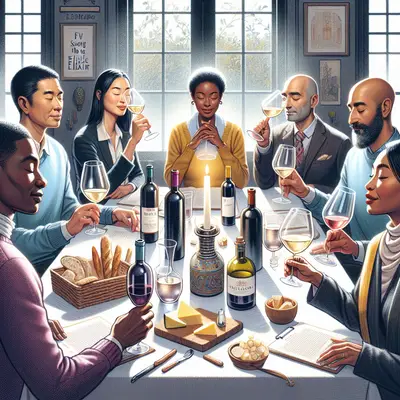
Rather than chasing volume or spectacle, elite estates are curating extremely limited, often invitation‑only experiences: vertical tastings spanning a decade of a single cuvée; comparative flights of experimental micro‑vinifications that never reach retail; or barrel room sessions where guests sample wines still resting on their lees. These are moments that are almost impossible to translate to social media, not because they are visually unimpressive, but because their value lies in context, conversation, and slowness.
Many of these tastings layer in details that serious enthusiasts quietly cherish: side‑by‑side comparisons of different coopers’ barrels; single‑parcel expressions from contrasting soil types; unfiltered tank samples next to their finished, bottled counterparts. You leave not just with photos and a flagship release under your arm, but with an enriched, highly personal understanding of that estate’s philosophy.
In an era obsessed with relatability and virality, this movement toward deliberately unbroadcast experiences feels both contrarian and deeply luxurious. It reassures guests that some things—like the exact aroma of a pre‑release vintage shared among six people in a silent cellar—are still best kept between the glass and the palate.
Conclusion
Today’s online culture has made us exquisitely aware of what can go wrong at the table: the off aromas, the mishandled food, the painfully awkward hosting. But in the world of premium wine travel, that same awareness is driving a refinement revolution. Tastings are becoming more precise, more intentional, and more emotionally intelligent than ever before.
For the modern wine enthusiast, this is a remarkable moment. The bar has been raised—not just for what’s in your glass, but for how you’re welcomed, what you’re served alongside it, how the space feels, and how gracefully your experience translates (or doesn’t) beyond the vineyard. In a world that never stops scrolling, the most sophisticated tastings are those that feel too considered, too intimate, and too beautifully executed to be reduced to a single post.
They are meant to be lived first—and only then, perhaps, quietly shared.
Key Takeaway
The most important thing to remember from this article is that this information can change how you think about Wine Tasting.