There is a particular kind of quiet that settles over a vineyard in winter—rows of bare vines, low light, and the sense that the landscape itself is taking a long, restorative breath. This season, that mood is in striking harmony with a broader cultural moment: the global affection for rescue animals, captured in trending stories and December photo roundups of newly adopted pets. As social feeds fill with “before and after” images of shelter dogs and cats finding safe homes, a growing number of wineries are weaving that same spirit of care, stewardship, and second chances into the fabric of their estates.
From the Napa Valley to the Barossa, animal rescue narratives are no longer just heartwarming diversions between tasting notes. They’re becoming discreet, soulful signatures of a new kind of vineyard visit—one that feels less like tourism and more like being welcomed into a living, breathing ecosystem, where every being (including you) is meant to exhale. For discerning wine travelers, these estates offer something quietly extraordinary: wines of place, hospitality with depth, and an undercurrent of purpose that lingers long after the last sip.
Below are five exclusive insights into how the global fascination with rescue stories is subtly, but profoundly, elevating today’s most memorable vineyard visits.
The New Welcome Committee: Rescue Animals as Subtle Luxury, Not Gimmick
As rescue pet stories dominate December timelines—those “most wholesome rescue photos of the month” features now a reliable staple of the season—some leading wineries are responding in a surprisingly graceful way. Instead of installing Instagram-bait “pet corners,” they’re allowing rescued animals to become understated members of the hospitality team: a one-eyed cellar cat that slips between barrels, a retired working dog who now escorts guests from courtyard to cave.
High-end properties in California, Oregon, and Tuscany have begun introducing guests to these animals with the same quiet pride they reserve for their oldest vines. The effect is not kitsch but composure. There is something disarmingly elegant about a tasting led by a winemaker whose rescued dog pads silently at their heels, or a library pour in a stone hall where a once-stray cat now sleeps, utterly at peace, atop a stack of vineyard maps. It reframes luxury not as distance, but as a meticulously crafted environment where vulnerability has a place—and is protected. For seasoned wine travelers, these small, unforced encounters feel more like a shared secret than a marketing device, deepening the sense of connection to the estate.
Beyond Sustainability: How Rescue Culture Elevates a Vineyard’s Ethos of Care
The current wave of rescue pet features—accompanied by sobering shelter statistics from organizations like the ASPCA—has amplified a conversation the best wineries were already having: What does it mean to care, in practice, for land, people, and creatures over decades? Many estates long committed to organic or biodynamic viticulture are now extending that philosophy to animals in ways that feel strikingly of-the-moment.
On select properties, barn cats are adopted from local shelters rather than purchased, then become part of the estate’s integrated pest-management system. Retired herding or guardian dogs find a soft landing patrolling the perimeter of vineyards that also host cover crops, owl boxes, and wildflower corridors. Some European and South American wineries are partnering with regional rescues, quietly funding veterinary care or transport in exchange for nothing more than the right to occasionally share a success story with visiting guests.
For the observant wine enthusiast, this creates a new dimension to terroir. The story of the land is no longer just geological—it’s ethical. Hearing a vineyard manager explain that the same discipline guiding their no-herbicide policy also informs the decision to adopt, rehabilitate, and responsibly care for animals gives their wines a different emotional resonance. The glass in your hand becomes part of a continuum of choices, each rooted in the same calm, long-term view.
Micro-Moments, Macro Memories: Designing Visits Around Gentle Encounters
One of the most striking aspects of the current rescue photo trend is its emphasis on small, transformative moments: a first nap on a real bed, a first contented gaze straight into the camera. The most forward-thinking wineries are borrowing from this narrative style, curating visits around soft, unscripted encounters rather than grand gestures.
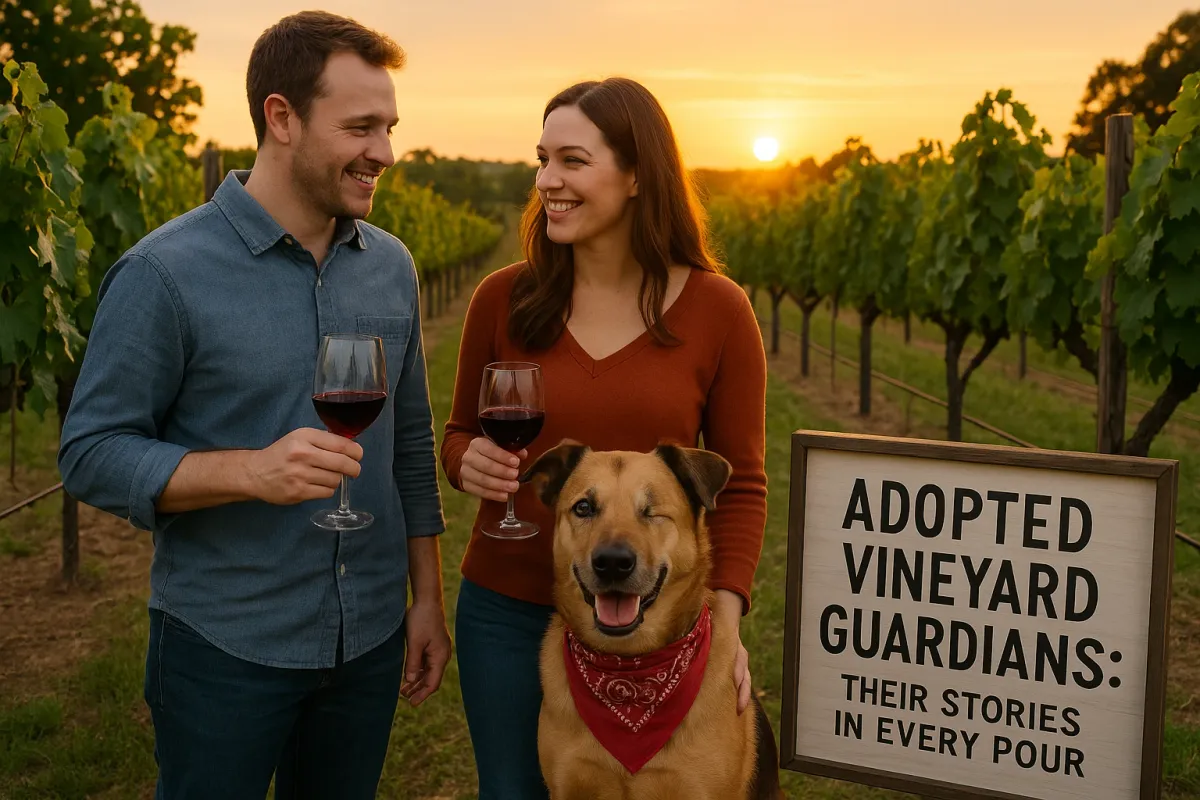
Instead of a packed itinerary, you might find your host inviting you to wander the vineyard with a rescued dog at golden hour, pausing at specific parcels to taste micro-lot bottlings right beside the vines. A barrel tasting might conclude not with a sales pitch, but with a quiet pause in a courtyard where a formerly feral cat now sprawls on warm stone—your guide sharing, almost as an aside, that this animal arrived terrified two harvests ago and now refuses to leave the tasting room at night.
These details are not programmatic “experiences”; they are deliberately unhurried, designed to let you notice rather than be impressed. For wine travelers accustomed to over-orchestrated luxury, this softness is its own refinement. The visit feels like being trusted with the estate’s vulnerabilities—its young vines, its aging animals, its imperfect stories—and that vulnerability, handled with elegance, is what you carry home.
A New Kind of Storytelling: From Tasting Notes to Transformation Narratives
Social media’s fascination with “before and after” rescue transformations has subtly raised our expectations of what makes a story worth sharing. It’s no longer enough for a winery to post a bottle shot against a sunset; audiences respond to arcs—difficulty, care, recovery, grace. Some of the savviest estates have begun threading such arcs through their own narratives, in ways that feel authentic and editorial rather than promotional.
Imagine a vineyard visit where you’re poured a limited-release cuvée named after the estate’s first rescued dog, with a label sketched from an old photograph. As you taste, your host briefly traces the animal’s journey—arrived underweight from a local shelter during a devastating wildfire year, became a constant presence during nighttime frost patrols, passed away the same week the wine was bottled. Portions of the proceeds support regional animal rescue efforts, but this is shared as context, not a pitch.
For a serious wine enthusiast, this type of storytelling doesn’t distract from the technical conversation; it deepens it. Discussing phenolic ripeness and picking windows in the same breath as the realities of rural animal abandonment makes the wine feel anchored in a very real, very current world. When you later share that bottle or post about the visit, you’re not just recounting flavor descriptors—you’re retelling a narrative of attentiveness and rescue that aligns with what your feed, and your conscience, are already preoccupied with this season.
Curated for Conscience: How to Seek Out These Estates in Your Next Wine Trip
As December’s rescue compilations circulate and more travelers choose destinations that reflect their values, a quiet, premium niche is emerging: vineyards where ethical elegance is curated as deliberately as the tasting flight. For those planning their next wine escape, finding these estates requires a slightly different kind of research—more akin to choosing a boutique hotel than simply mapping appellations.
Look beyond star ratings and scores for subtle indicators: Does the winery share occasional updates about adopted animals or partnerships with local shelters, without centering them as a gimmick? Is there mention of long-term staff tenure, regenerative agriculture, or quiet community involvement? During booking, a discreet question—“Do you have any resident animals on the property?”—can open the door to a richer conversation. Many of the most refined estates will respond with a list of names and personalities, as if introducing family members rather than amenities.
Once on site, let your visit unfold slowly. Linger in courtyards where a dog or cat might wander through. Ask about the story behind the black-and-white photograph on the tasting room wall. You may discover that the most memorable part of your day is not the rarest bottle poured, but the feeling of witnessing a landscape where old vines, rescued animals, and thoughtful humans coexist in a quietly considered equilibrium. In a year where your feeds are full of second chances, such places feel not only luxurious, but deeply, reassuringly timely.
Conclusion
As rescue pet narratives capture hearts around the world this month, the most sophisticated wineries are listening—and responding not with trends, but with tenderness. They are inviting guests into estates where care is visible in every direction: in the soil, in the cellar, and in the bright, watchful eyes of an animal that has finally found home.
For the seasoned wine traveler, this convergence of fine wine and rescue culture offers a new benchmark for luxury vineyard visits: not louder, not flashier, but more attuned. In a season defined by reflection and renewal, there may be no finer pairing than a glass of meticulously crafted wine and the quiet knowledge that, somewhere just beyond the terrace, a once-unwanted creature now naps in total safety among the vines.
Key Takeaway
The most important thing to remember from this article is that this information can change how you think about Vineyard Visits.